





POIs of Lycian Way “Letoon – Xanthos”
Discover the Gems: “Letoon and Xanthos” on the Lycian Way
Xanthos and Letoon: Ancient Lycian Cities & UNESCO World Heritage Sites


- Description
- Form
Description
Xanthos and Letoon, located in southwestern Turkey, are two of the most important archaeological sites of the Lycian civilisation. Recognised as a UNESCO World Heritage Site, these ancient Lycian cities played a crucial role in the region’s history, culture, and religion.
Xanthos: The Capital of Lycia
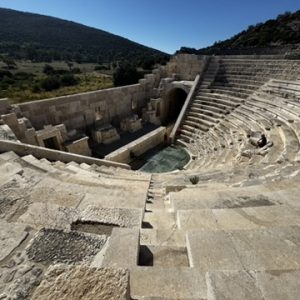
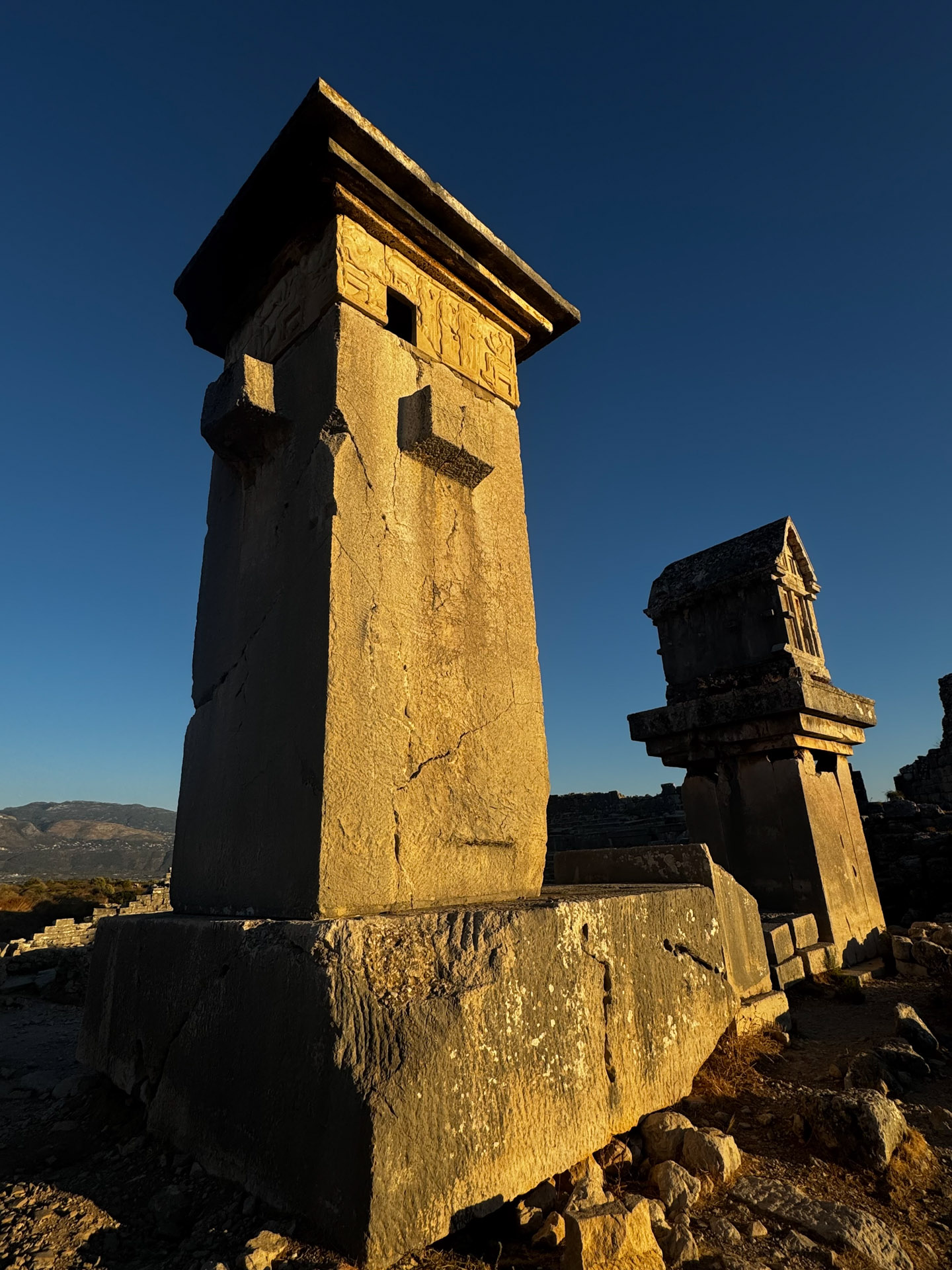
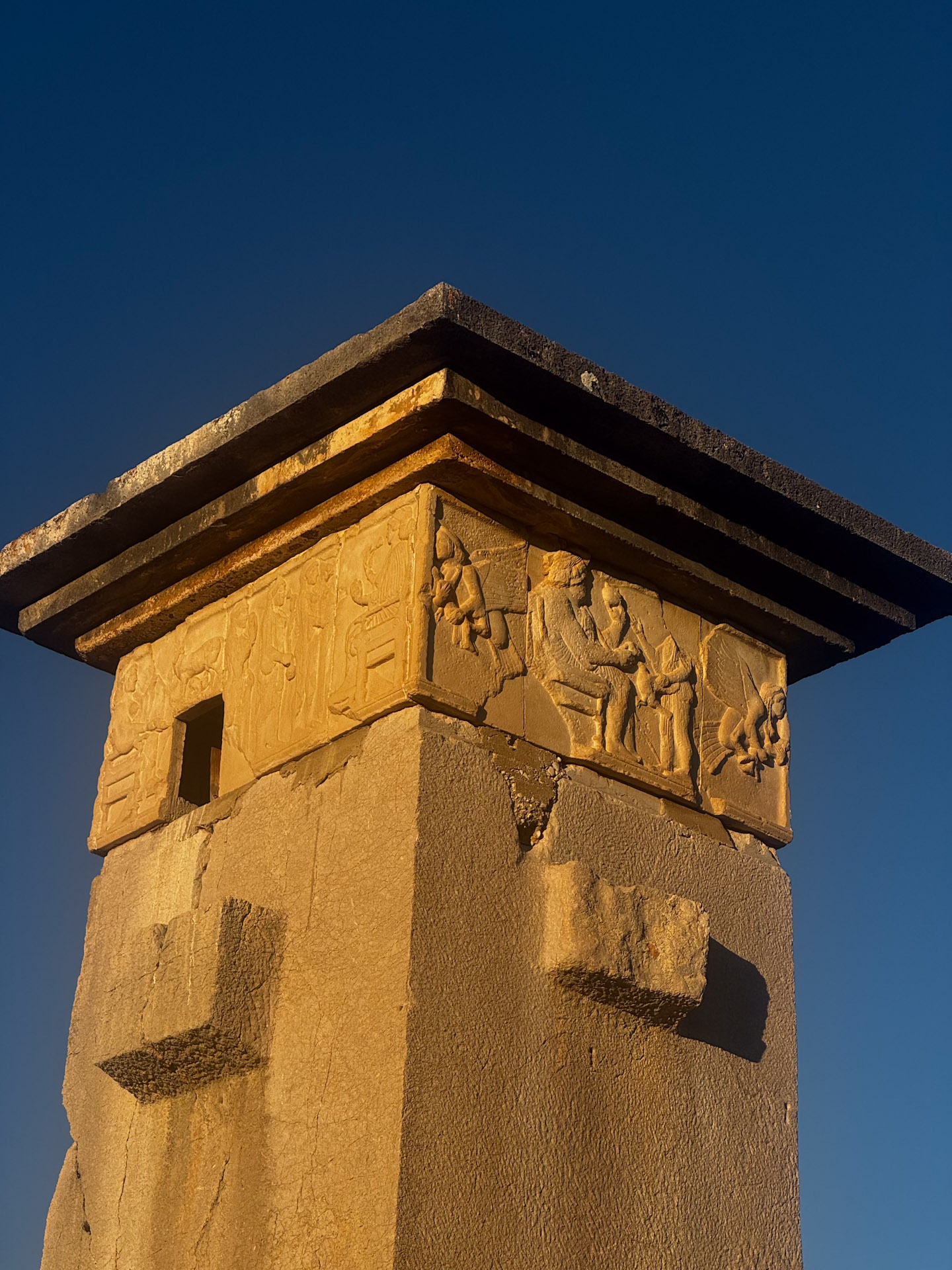
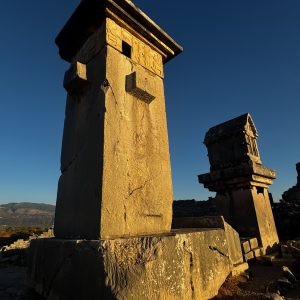
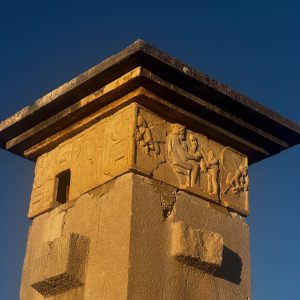
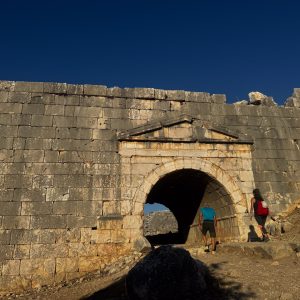
Xanthos, once the capital of ancient Lycia, was a major center for art, governance, and resistance. The city is famous for its Lycian rock-cut tombs, pillar tombs, and funerary monuments, showcasing a unique blend of Lycian, Persian, and Hellenistic architecture. Xanthos is also known for its tragic past, as its inhabitants twice chose mass suicide over surrender to invaders. Today, visitors can explore the ancient theater, agora, acropolis, and city walls, all of which reflect the city’s rich history.
Letoon: The Religious Center of Lycia
Just a short distance from Xanthos, Letoon served as the spiritual and religious center of Lycia. This ancient site was dedicated to Leto, the mother of Apollo and Artemis, and was one of the most important sanctuaries in the Lycian region. Letoon features three temples, a sacred fountain, and a well-preserved Roman theater. One of its most significant discoveries is an inscription in Lycian, Greek, and Aramaic, which has provided invaluable insights into Lycian language and culture.
Why Visit Xanthos and Letoon?
For those interested in ancient history, mythology, and archaeology, Xanthos and Letoon offer an unparalleled journey into Lycian heritage. Their well-preserved ruins, stunning landscapes, and mythological significance make them must-visit destinations in Turkey.