
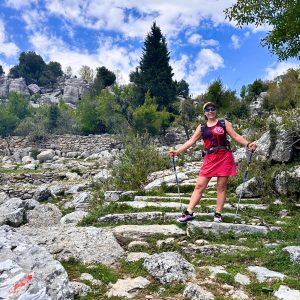
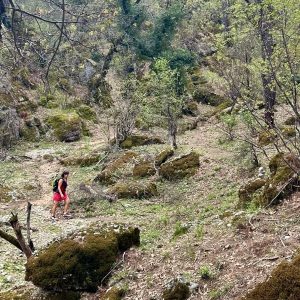
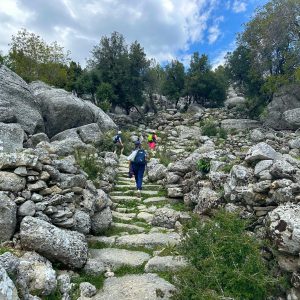
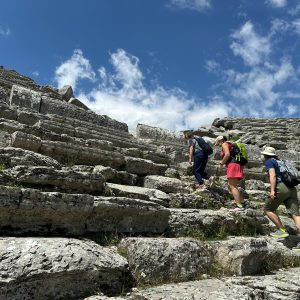

Self-Guided St. Paul Trail Walking Tour | Walk Your Own Way
Walk selected stages of the St. Paul Trail independently, with the route and travel logistics organised around your journey.
We prepare your GPS tracks, day-by-day walking programme and practical route information, while accommodation, luggage transfers and transport between selected stages can all be organised for you.
Choose from different sections of the trail through the Taurus Mountains, combining mountain landscapes, villages and ancient sites according to your available time and walking experience.
You walk independently. We organise the journey behind your walk.


- Description
- More Info
- Guidelines and Notes
- Form
Description
Walk the St. Paul Trail Independently
Our self-guided St. Paul Trail walking tour gives you the freedom to walk independently while we organise the practical journey behind your walk.
The full St. Paul Trail extends for approximately 500 km between the Antalya region and Yalvaç. You do not need to walk the entire route. We can build your programme around selected stages according to your available time, walking experience and interests.
We prepare your walking programme, GPS tracks and practical route information. Accommodation, luggage transfers and transport between selected walking stages can also form part of your journey.
You decide your pace on the trail. We help connect the walking days into a practical journey.
More Than GPS Tracks
A self-guided walking journey needs more than a route displayed on a phone.
Each walking day needs a practical starting point, a suitable finishing point and accommodation that works with the route. Some stages also require vehicle transfers because the next walk may begin away from your overnight stay.
Depending on your personalised programme, we can organise:
- Day-by-day walking programme.
- GPS tracks and practical route information.
- Accommodation in local pensions and hotels.
- Transfers to and from selected walking stages.
- Luggage transfers between overnight stops.
- Antalya Airport and trail access transfers.
- Local meals or picnic arrangements where available.
- Local contact for the travel services organised through us.
Your confirmed itinerary will clearly show the services included in your programme.
Choose the Sections That Suit Your Journey
The St. Paul Trail has different branches and walking stages. Rather than treating the entire route as one fixed package, we select a practical combination according to your available days, walking ability and interests.
Your programme can include walking areas and cultural sites around Perge, Köprülü Canyon, Selge, Adada, Lake Eğirdir and Yalvaç. Some places can form part of a walking stage, while others may require a connecting transfer.
Your final itinerary confirms exactly where you walk, where you stay and how the different stages connect.
Highlights Along the St. Paul Trail
Perge Ancient City
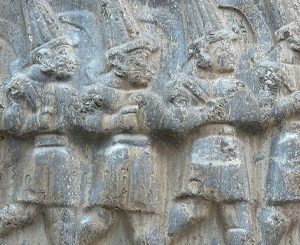
Near Antalya, Perge marks one of the southern starting areas associated with the trail. It can provide a historical introduction to your journey before you continue towards the Taurus Mountains.
Köprülü Canyon and Selge
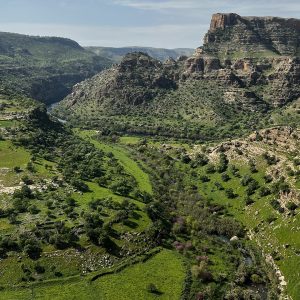
The alternative southern branch begins around Beşkonak and Köprülü Canyon National Park. Selected walking stages can combine mountain landscapes with the ancient remains around Selge.
Adada Ancient City
The trail’s southern branches meet around Adada. Its archaeological remains and surrounding landscape make this section particularly interesting for walkers who want to combine hiking with the ancient history of inland Anatolia.
Lake Eğirdir and Lakeside Villages
Eğirdir provides a useful base for several parts of the journey. The surrounding stages combine lake landscapes, villages and mountain terrain, while the town can also help connect accommodation and transfers.
Yalvaç and Pisidian Antioch
Yalvaç marks the northern end of the trail. Nearby Pisidian Antioch adds an important historical dimension to the journey and connects the walking route with the story associated with St. Paul.
These places are possibilities across the wider route rather than a fixed sightseeing checklist. Your personalised itinerary determines which locations form part of your journey.
Accommodation, Transfers & Luggage
Good logistics are particularly important on a self-guided long-distance trail.
We can organise local pensions and small hotels according to the selected stages. Where required, transfers connect your accommodation with suitable walking start and finishing points.
Your main luggage can also be transferred between agreed overnight stops. This allows you to walk with a smaller daypack carrying water, layers, food and your personal essentials.
Vehicle access is not possible at every point on the trail. For this reason, all pick-up and drop-off locations must be agreed in advance and must be safely accessible by vehicle.
From Antalya Airport to the St. Paul Trail
If your journey begins or finishes in Antalya, we can also arrange a private transfer from Antalya Airport to selected accommodation and road-accessible points connected with your St. Paul Trail itinerary.
Depending on your programme, this can include transport towards Perge, Beşkonak, Köprülü Canyon and other suitable access points. Return transport can also be arranged at the end of your walk.
You do not need to work out the exact road access point yourself. Tell us which section you want to walk and where you plan to stay. We can help determine the practical transfer point for your itinerary.
Walk at Your Own Pace
Self-guided travel gives you control of your walking day. You choose when to start, when to stop and how much time to spend along the route.
There is no guide walking beside you each day. You should therefore be comfortable navigating independently and making decisions on natural trails.
We provide the agreed GPS information and programme, but you remain responsible for navigation, your pace and decisions while walking.
When to Go
Spring and autumn are generally the preferred seasons for walking the St. Paul Trail. Conditions vary considerably with altitude and location, and mountain weather can change.
We therefore plan the selected stages according to your travel dates and the practical conditions expected along the route.
Walking Difficulty
The St. Paul Trail includes uneven terrain, climbs, descents and remote sections with limited facilities. A reasonable level of fitness and previous hiking experience are recommended.
We can select stages according to your experience and preferred walking level where practical. However, the natural character of the trail means that some sections remain demanding.
Your final programme will specify the planned walking distances, expected walking times and elevation changes.
What Can Be Included?
Your self-guided programme can be built from the services you actually need. Your personalised proposal confirms the final inclusions.
- Accommodation in local pensions and hotels.
- Breakfast and dinner at agreed overnight stays where included in your programme.
- Picnic lunches or local lunches where arranged.
- GPS tracks and practical walking information.
- Programme and route planning.
- Main programme transfers.
- Luggage transfers between agreed overnight stops.
- Airport and trail access transfers where requested.
- Local travel support for services organised through us.
Not Included Unless Otherwise Stated
- Professional guiding during the walking stages.
- Museum and archaeological site entrance fees.
- Additional transfers outside the agreed itinerary.
- Personal expenses, snacks and beverages.
- Turkish bath, massage and spa services.
Prefer to Walk with a Guide?
If you would rather have a professional guide accompany your walking days, see our Guided St. Paul Trail Hiking Tour. A licensed guide can lead the route, help manage the walking pace and provide interpretation of the landscapes, archaeological sites and communities along the journey.
Extend Your Journey in Turkey
You can also combine the St. Paul Trail with our Lycian Way walking tour or continue your journey into other parts of Turkey.
We can plan the connection according to your available time, transport and travel interests.
Plan Your Self-Guided St. Paul Trail Journey
Tell us your travel dates, number of days, number of travellers and hiking experience. If there are particular parts of the St. Paul Trail that interest you, include them as well.
If you are arriving through Antalya Airport, send us your flight details and we can include the appropriate trail transfer when preparing your programme.
You do not need to plan every stage before contacting us. Tell us how much time you have and how you like to walk, and we can help build the route around your journey.
Request Your Tailor-Made Itinerary
You can also email info@outdoorinturkey.com or contact us via WhatsApp on +44 7404 277 688 or +90 542 311 97 70.
Self-guided programmes are arranged by Globe Outdoors Travel, TÜRSAB Document No. A-17542.
About the St. Paul Trail
The St. Paul Trail is one of Turkey’s major long-distance walking routes, crossing the landscapes of the Taurus Mountains between the Antalya region and Yalvaç in Isparta Province.
The complete trail covers approximately 500 kilometres and follows a modern walking route inspired by the journeys associated with St. Paul the Apostle through this part of Anatolia.
One branch begins near Perge, close to Antalya, while another approaches the mountains through the Köprülü Canyon and Selge area. The routes eventually continue north through the Taurus Mountains towards Lake Eğirdir and Yalvaç, where the archaeological site of Pisidian Antioch forms an important historical connection with the story of St. Paul.
The St. Paul Trail is not simply a route between archaeological sites. Much of its character comes from the changing landscapes between the Mediterranean and the Anatolian interior.
What Is the St. Paul Trail Like?
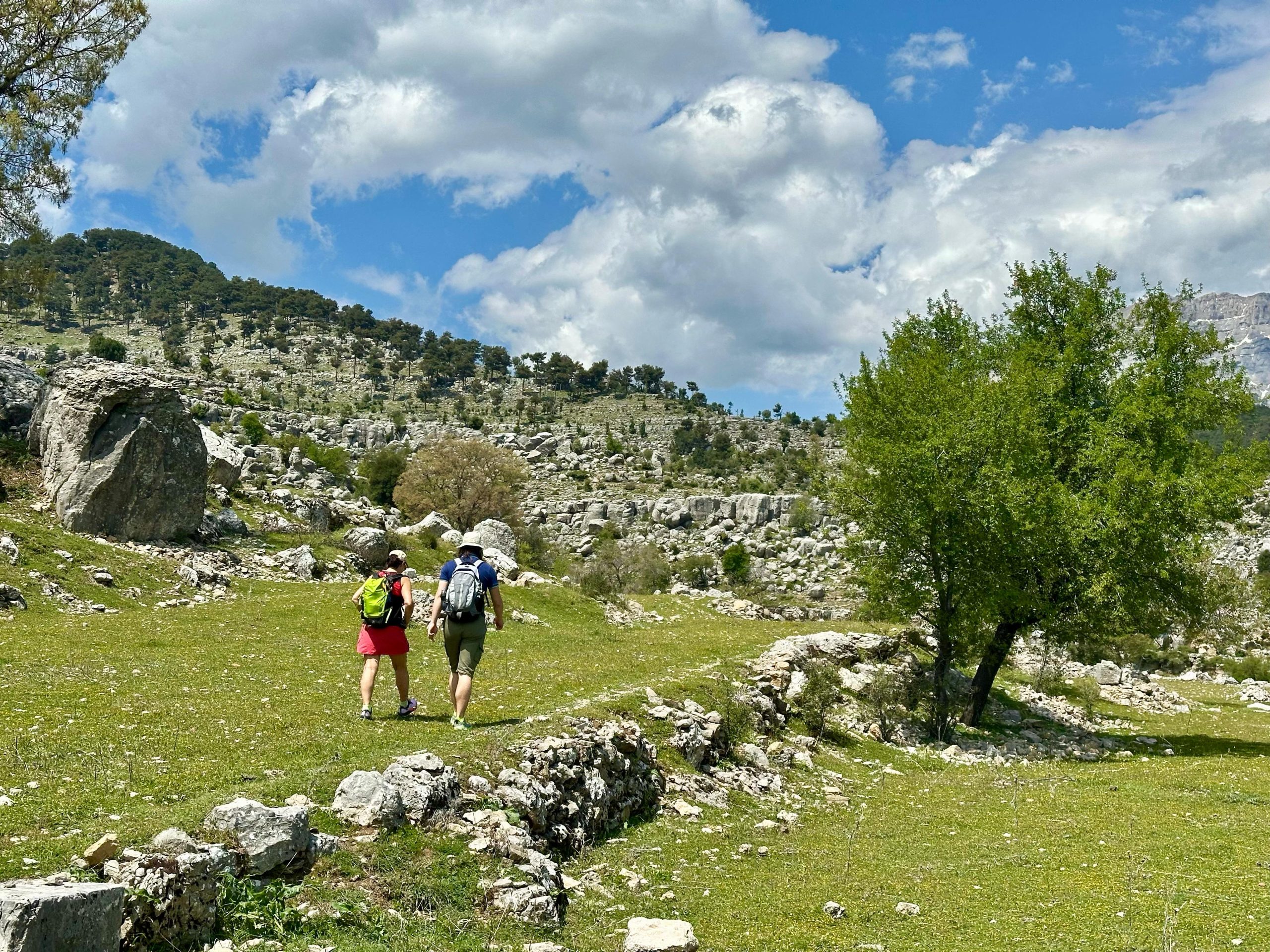
Compared with Turkey’s better-known coastal walking routes, much of the St. Paul Trail passes through a quieter and more mountainous landscape.
Depending on the section, walkers may encounter:
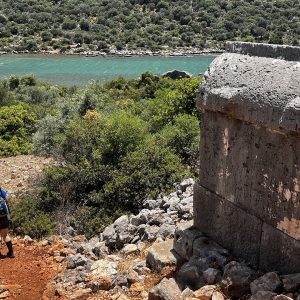
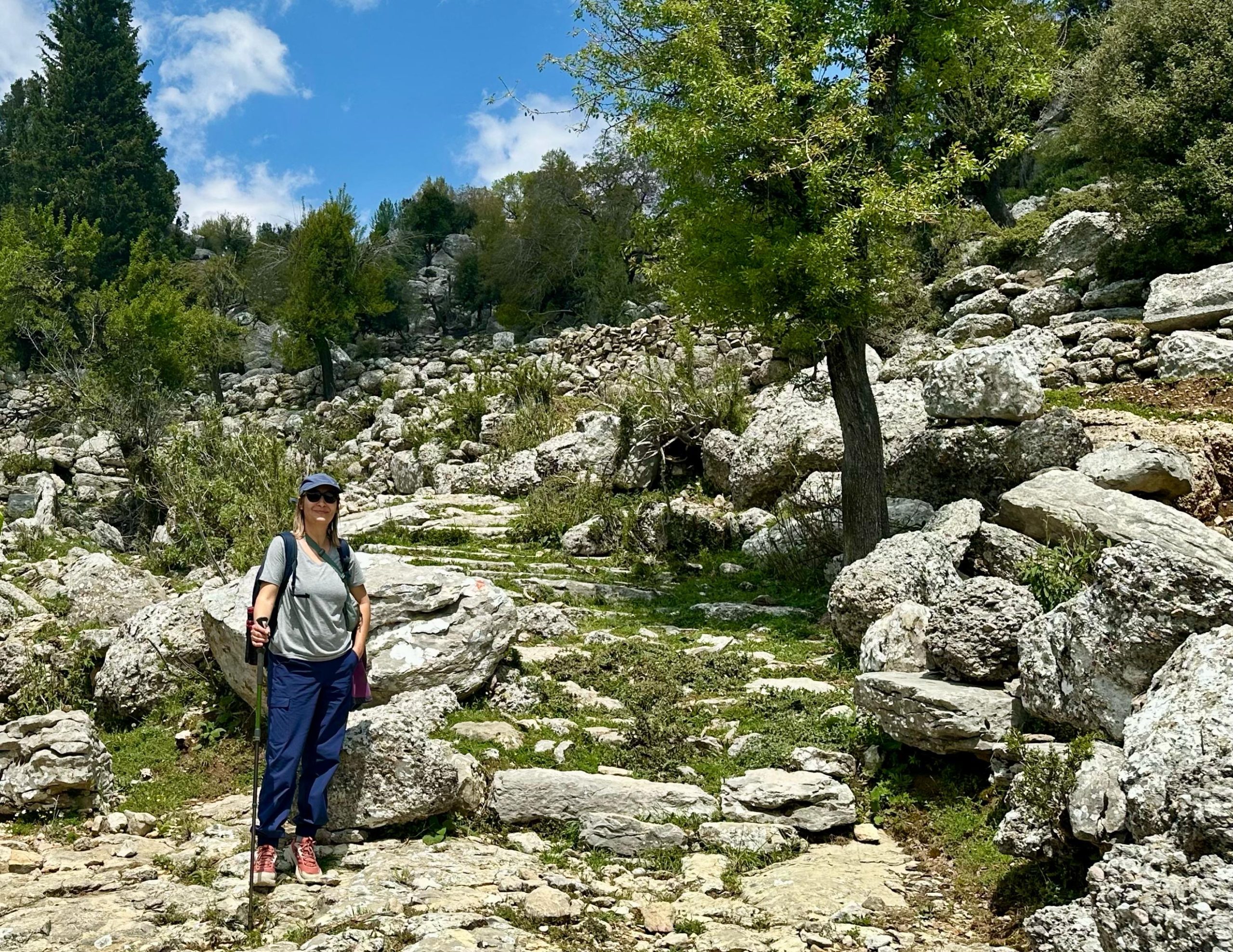
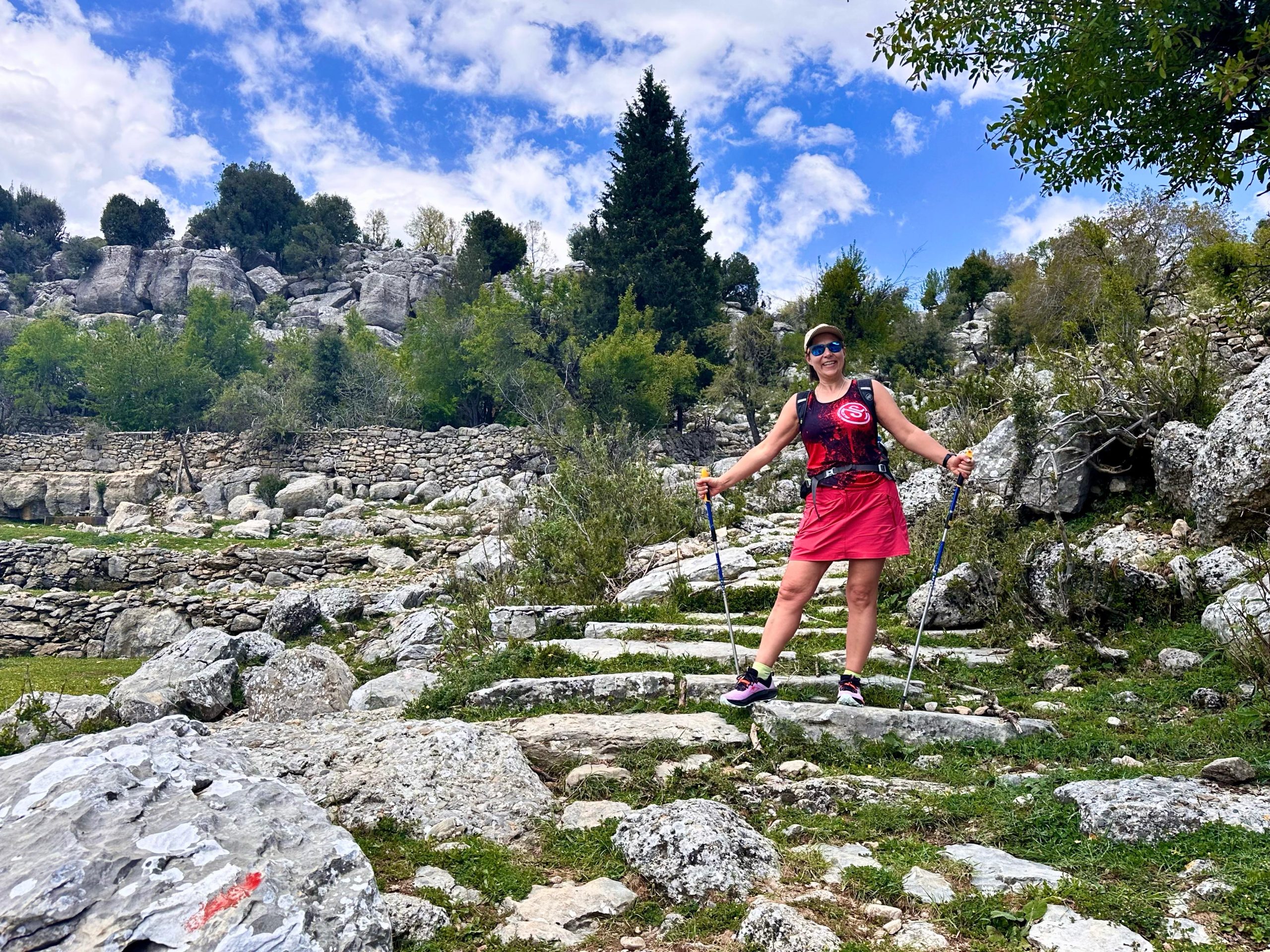
- Mountain paths and old village tracks.
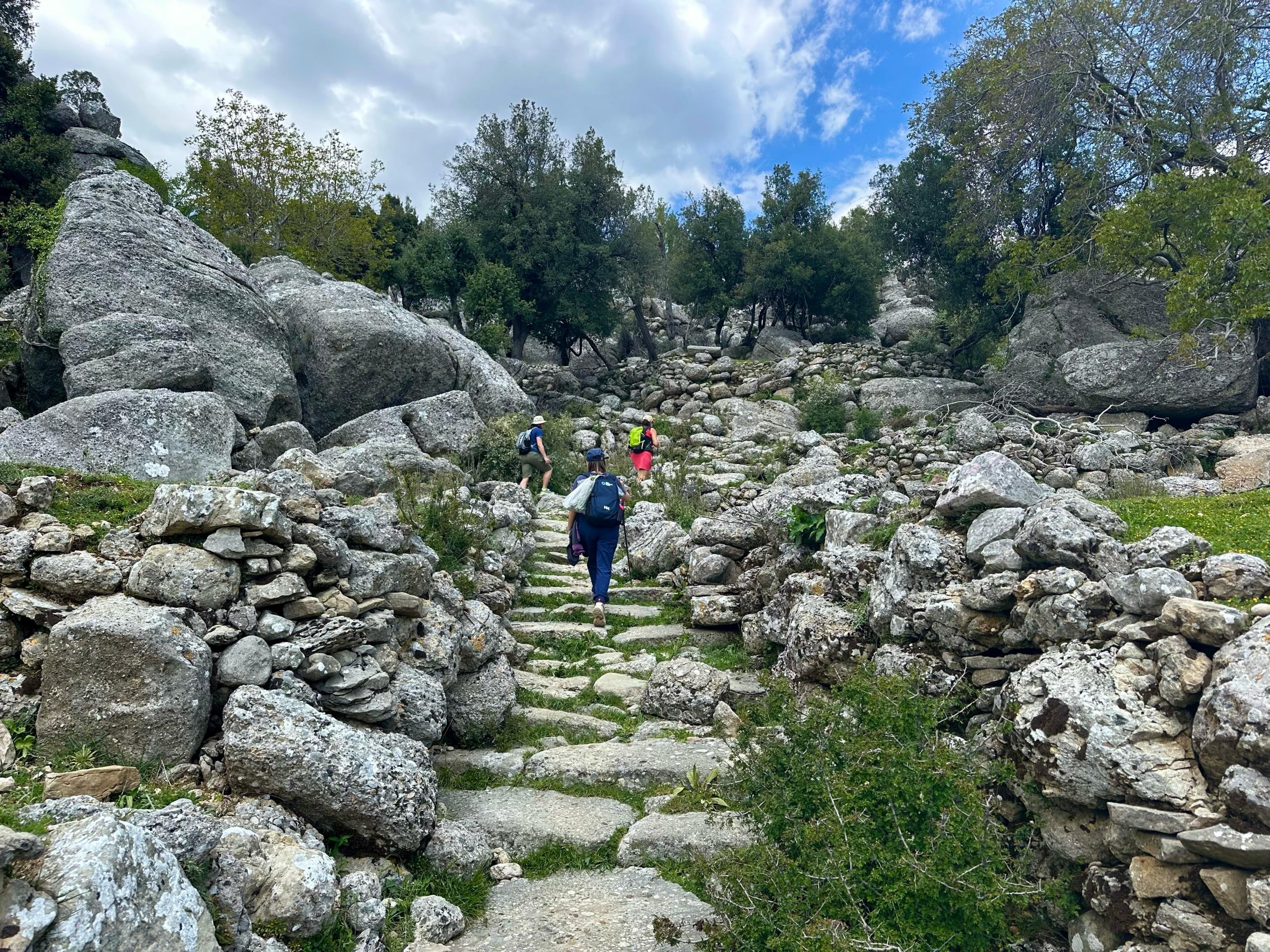
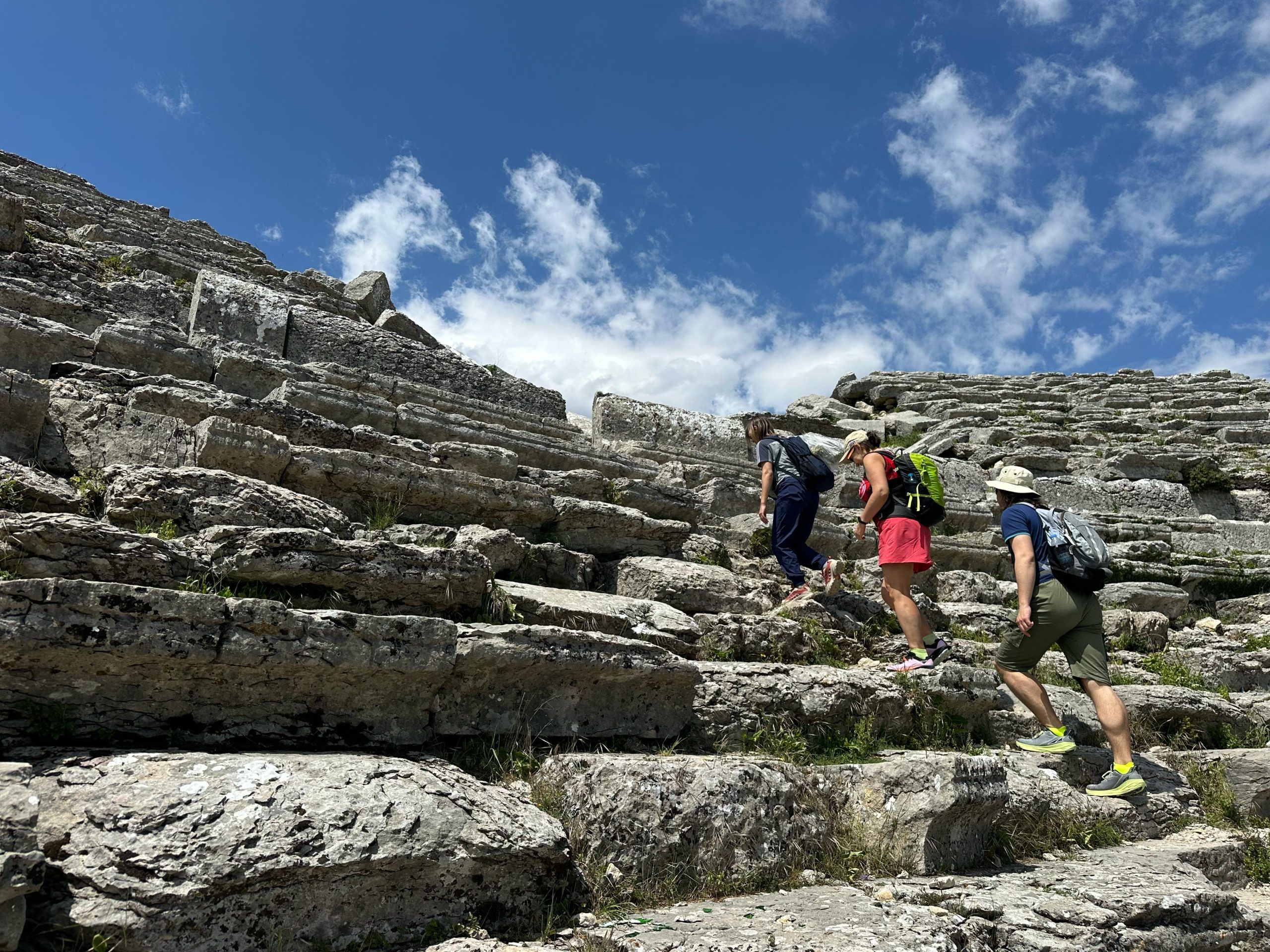
- Sections of historic stone and Roman roads.
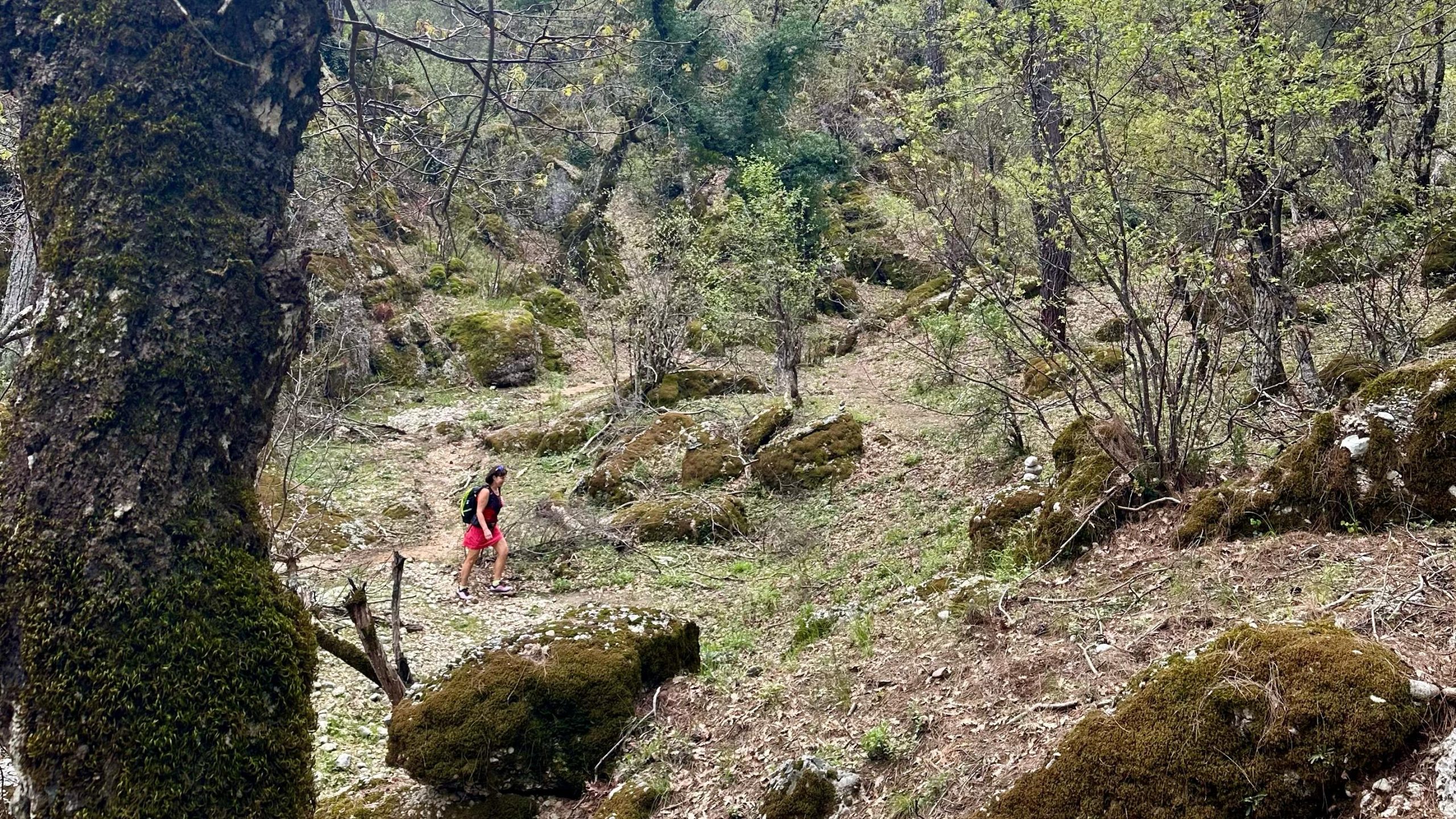
- Pine, cedar and juniper forests.
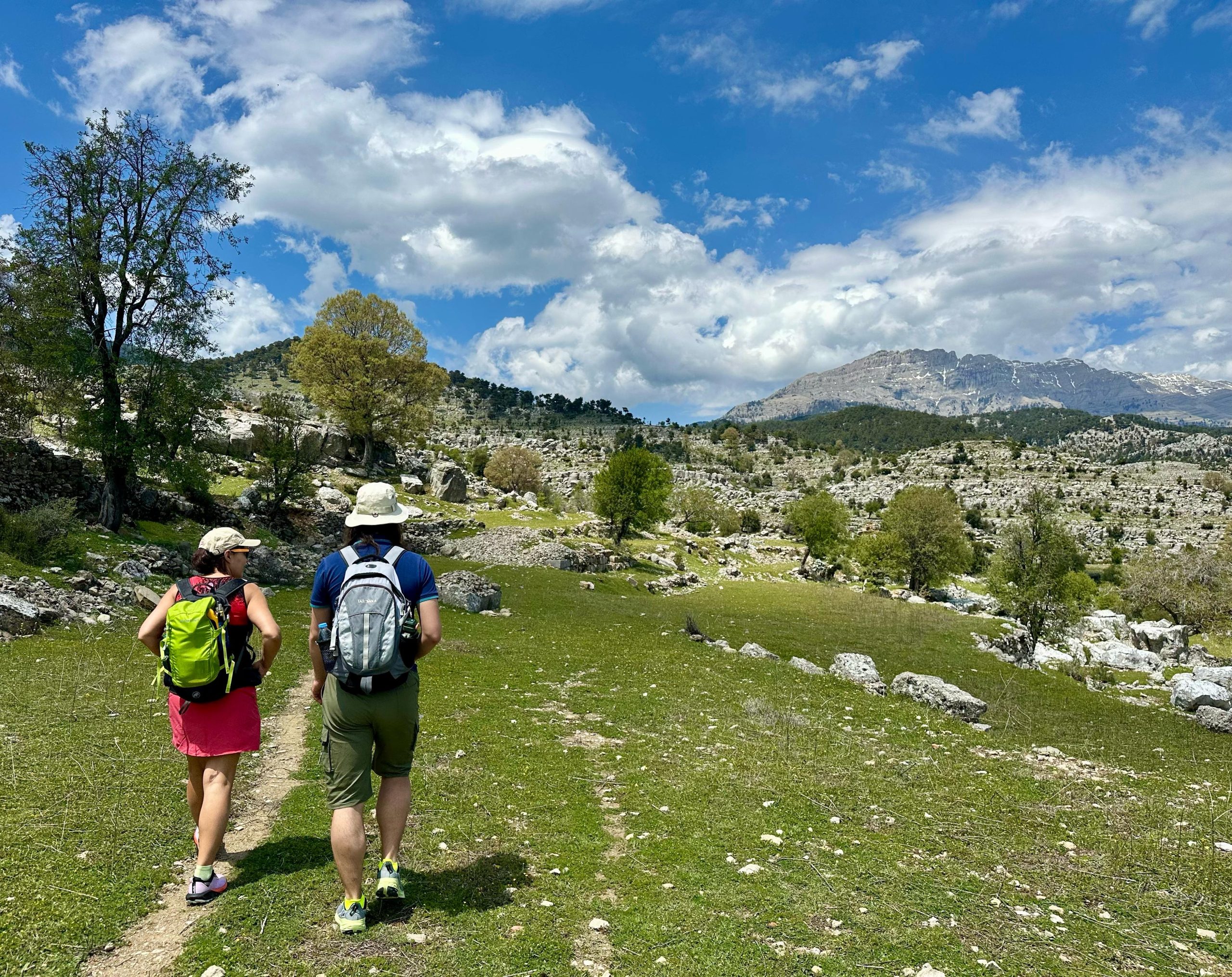
- Canyons, valleys and high mountain landscapes.
- Small villages and pastoral areas.
- Archaeological sites from different periods of Anatolian history.
- Remote sections with limited services.
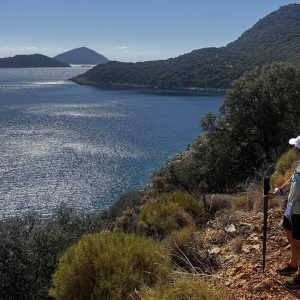
The landscape changes considerably along the route. Lower sections near Antalya have a Mediterranean character, while higher and more inland stages enter very different mountain and plateau environments.
Do You Need to Walk the Entire Trail?
No. Although the complete St. Paul Trail extends for approximately 500 kilometres, it does not need to be approached as a single end-to-end journey.
The trail consists of different branches and stages, making it possible to select sections according to your available time, walking experience and interests.
A shorter journey might concentrate on several connected walking stages, while a longer programme can combine different parts of the route using transfers where necessary.
This flexibility is particularly useful because the character, altitude and difficulty of the trail vary considerably from one section to another.
History Along the Trail
The route takes its name from St. Paul the Apostle and the journeys associated with the spread of early Christianity through Anatolia.
Perge and Pisidian Antioch are particularly important to this historical context. However, the modern walking trail should not be understood as an exact reconstruction of every step taken by St. Paul.
It is better understood as a long-distance walking route connecting landscapes, settlements and archaeological sites associated with the wider geography through which these journeys took place.
The trail also reaches far beyond early Christian history. Roman roads, ancient settlements, village paths and the continuing rural life of the Taurus Mountains reveal many different layers of Anatolia.
Walking Conditions & Difficulty
The St. Paul Trail is generally suited to walkers who already have some experience on natural hiking trails.
Conditions vary considerably between stages. Some sections follow relatively straightforward paths, while others include sustained climbs and descents, rough or uneven ground and remote terrain.
Daily distance alone is therefore not a reliable measure of difficulty. Elevation gain, trail surface, weather, altitude and access to water or services can all affect the walking day.
No technical climbing is normally required on the standard walking routes, but a reasonable level of fitness, suitable trekking footwear and appropriate outdoor equipment are recommended.
When to Walk the St. Paul Trail
Spring and autumn are generally the main walking seasons, but conditions depend strongly on altitude and the section of trail.
Spring
Spring can bring mild temperatures to lower elevations and a rich variety of vegetation and wildflowers. At higher elevations, conditions may remain cooler and can be affected by late snow or seasonal water levels.
Autumn
Autumn often brings cooler walking temperatures after the summer heat. Conditions can vary between the Mediterranean-facing sections and the higher inland stages.
Summer and Winter
Summer temperatures can become very high in lower sections, while the higher mountains have their own conditions. During winter, snow and cold weather can affect access to elevated sections of the route.
For this reason, the best section to walk depends not only on the month but also on altitude, current conditions and the itinerary itself.
Accommodation Along the St. Paul Trail
Accommodation varies considerably along the route.
Depending on the selected stages, walkers may use family-run pensions, village guesthouses and small local hotels. Larger settlements such as Eğirdir provide more accommodation options, while remote sections have fewer services.
Local accommodation is part of the character of the journey. Facilities and standards can vary, but these stays provide opportunities to experience the villages and regional food of inland Anatolia rather than simply passing through the landscape.
Some itineraries may also use camping where appropriate, but camping is not necessary for every St. Paul Trail journey.
A Trail Through More Than One Landscape
One of the most interesting characteristics of the St. Paul Trail is its variety.
It connects the Mediterranean hinterland with the Taurus Mountains, archaeological landscapes with living villages, and ancient roads with paths still used by local communities.
For walkers, this means that the experience changes as the journey progresses. The St. Paul Trail is not simply about completing kilometres. It is a way of travelling slowly through a part of Turkey where geography, history and everyday rural life remain closely connected.
Participation Limitations: To ensure a comfortable and efficient experience, the number of participants is limited. Please consider this when planning your trip.
Pre-Booking Options: Pre-booking is available for participants arriving before or after the program dates to help with accommodation and logistics.
Arrival and Departure Information: We recommend sharing your arrival and departure details (dates and times) with our team in advance. This information is necessary to arrange transfers to the city center or airport.
Optional Transfers: For participants who wish to stop the program at a certain point during the day, optional transfers can be arranged at a suitable location. Please note that this incurs an additional cost to be covered by the participant.
Clothing and Equipment: A detailed list of mandatory and optional clothing and equipment will be provided separately before the program.
Health Conditions: Participants with allergies or chronic conditions are required to inform our team during registration to ensure proper precautions are taken. This activity is not recommended for individuals with conditions such as high blood pressure, asthma, rheumatism, or epilepsy, as it may be difficult to manage emergencies in nature. Please consult with our team in advance if you have concerns.
Route and Weather Conditions: Mandatory route changes may occur due to weather conditions, such as heavy rain, strong winds, or storms. Final decisions will be made by the guide, and participants are expected to comply with these changes, including modifications to boat tours.
Cancellation and Refund Policy: Due to the limited availability of accommodations in local and remote areas. Many of the lodgings we work with are small, family-run businesses with only a few rooms, making it difficult to cancel or rebook. To secure your spot, a deposit is required at the time of booking. This deposit is non-refundable, except in cases of force majeure. However, if the program is cancelled by us, the full pre-payment will be refunded.
All programs are conducted by TUREB-licensed guides and arranged by TÜRSAB-certified agency Globe Outdoors Travel (TÜRSAB Document No. A-17542)