


Van & Hakkari Tailor-Made Tour | Glacial Lakes, Urartu & Mountain Culture
Explore Van and Hakkari on a tailor-made journey combining the Cilo-Sat Mountains, glacial lakes, high plateaus, Urartian archaeology, Akdamar Island and local food.
The sample itinerary can be adapted around walking, history, photography, botany or culture, and extended to Bitlis and Nemrut Crater Lake or deeper into the Urartian landscape around Van.


- Description
- Reviews (0)
- Program
- Guidelines and Notes
- Form
Description
High mountains, glacial lakes, Urartian history and the cultures of Turkey’s far east.
Our Van Hakkari tour is not a fixed sightseeing circuit. It is a tailor-made journey through one of Turkey’s most distinctive regions. The programme combines the high mountain landscapes of Hakkâri with the archaeology, history and cultural heritage of the Lake Van basin.
One journey might concentrate on the Cilo-Sat Mountains, high plateaus and glacial lakes. Another might spend more time exploring Urartian archaeology around Van. With more time, the journey can continue towards Bitlis and Nemrut Crater Lake. We can also combine mountain walks with villages, local food, historical sites and the landscapes around Lake Van.
The itinerary below is a sample programme rather than a fixed departure. We can therefore adapt the number of days, walking routes, cultural visits and overnight stops to your interests, season and available time.
Van Hakkari Tour – Mountains, History & Local Life
Van and Hakkâri are often seen as separate destinations. Together, however, they tell a much larger story.
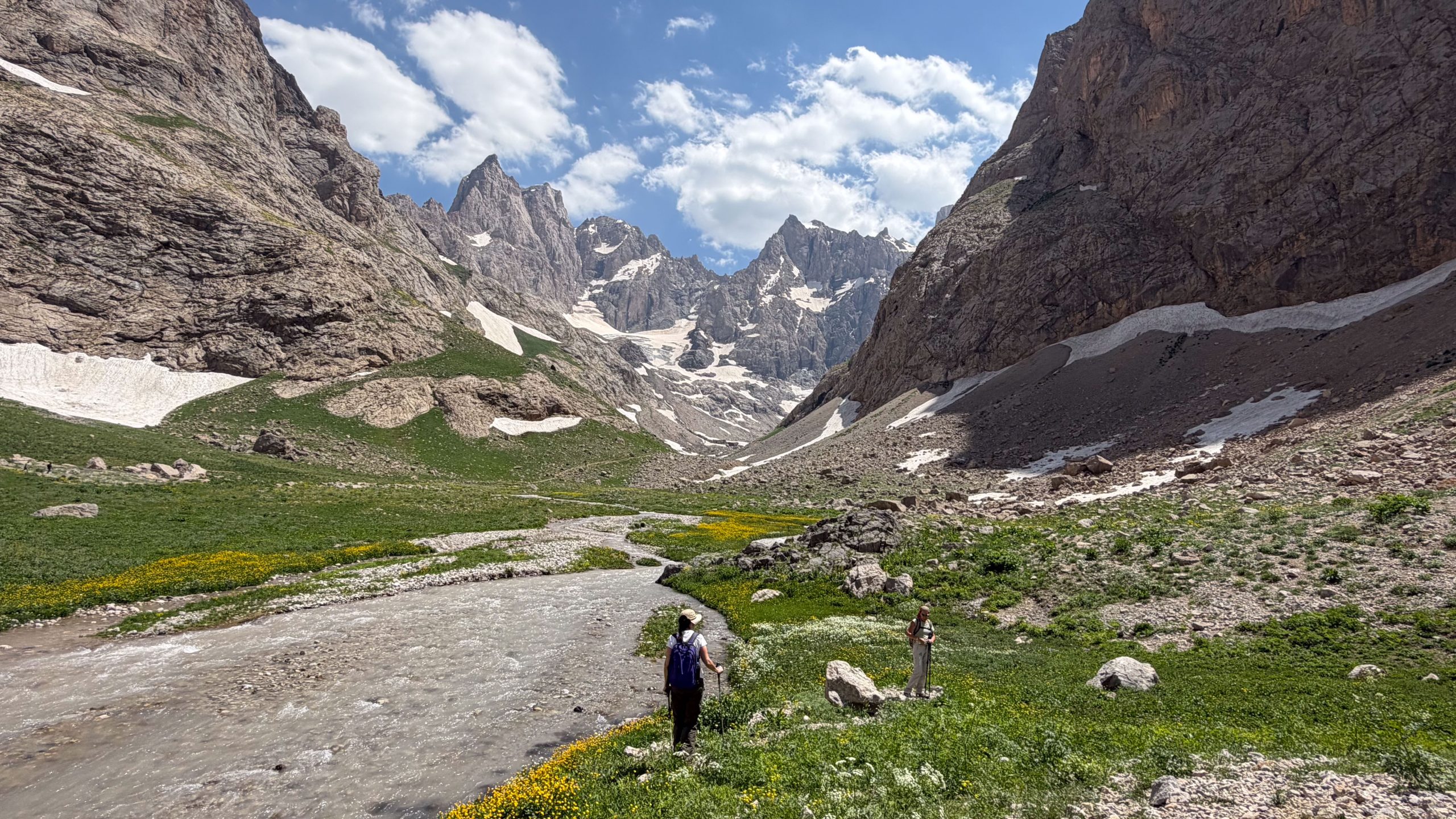
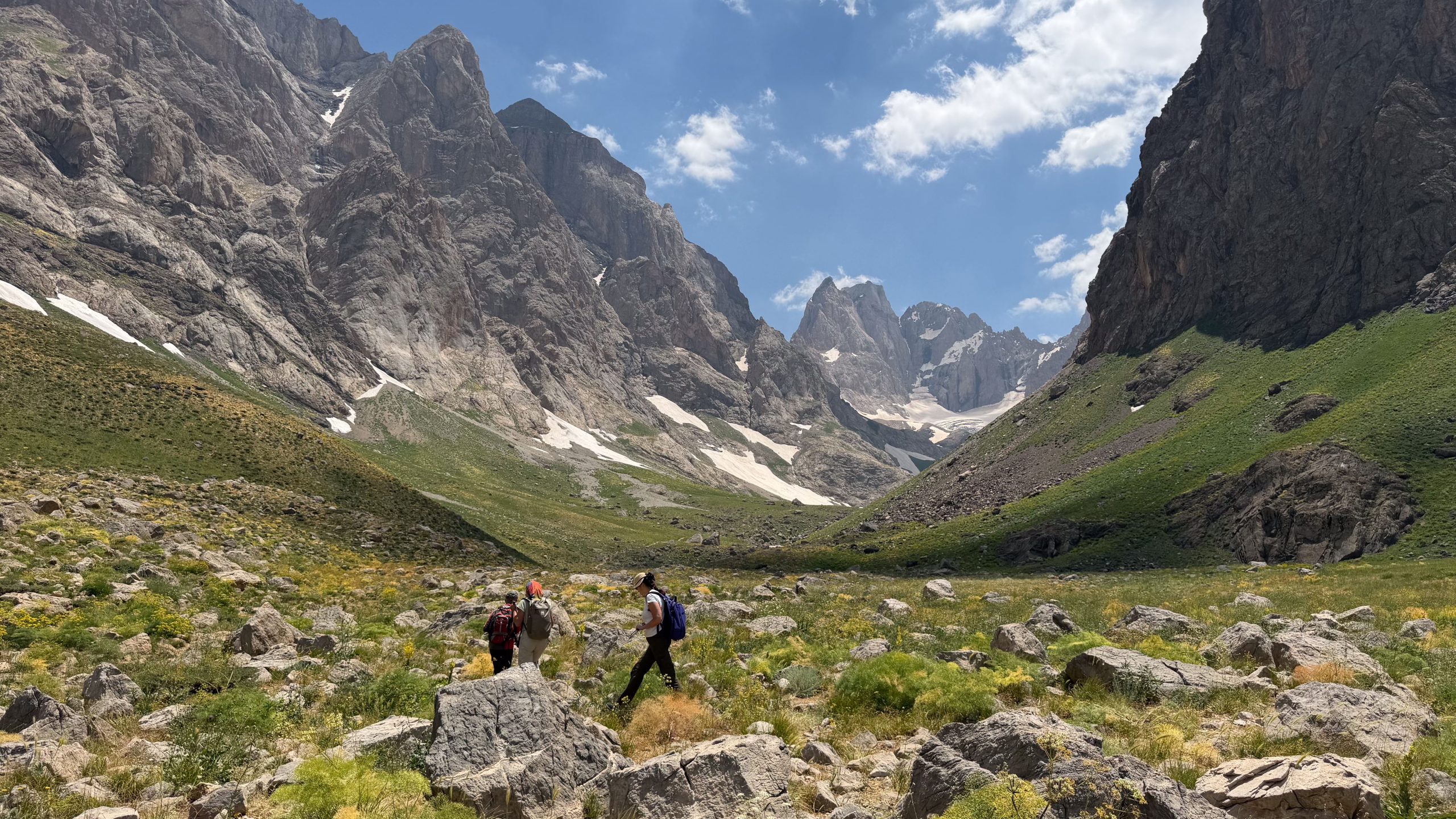
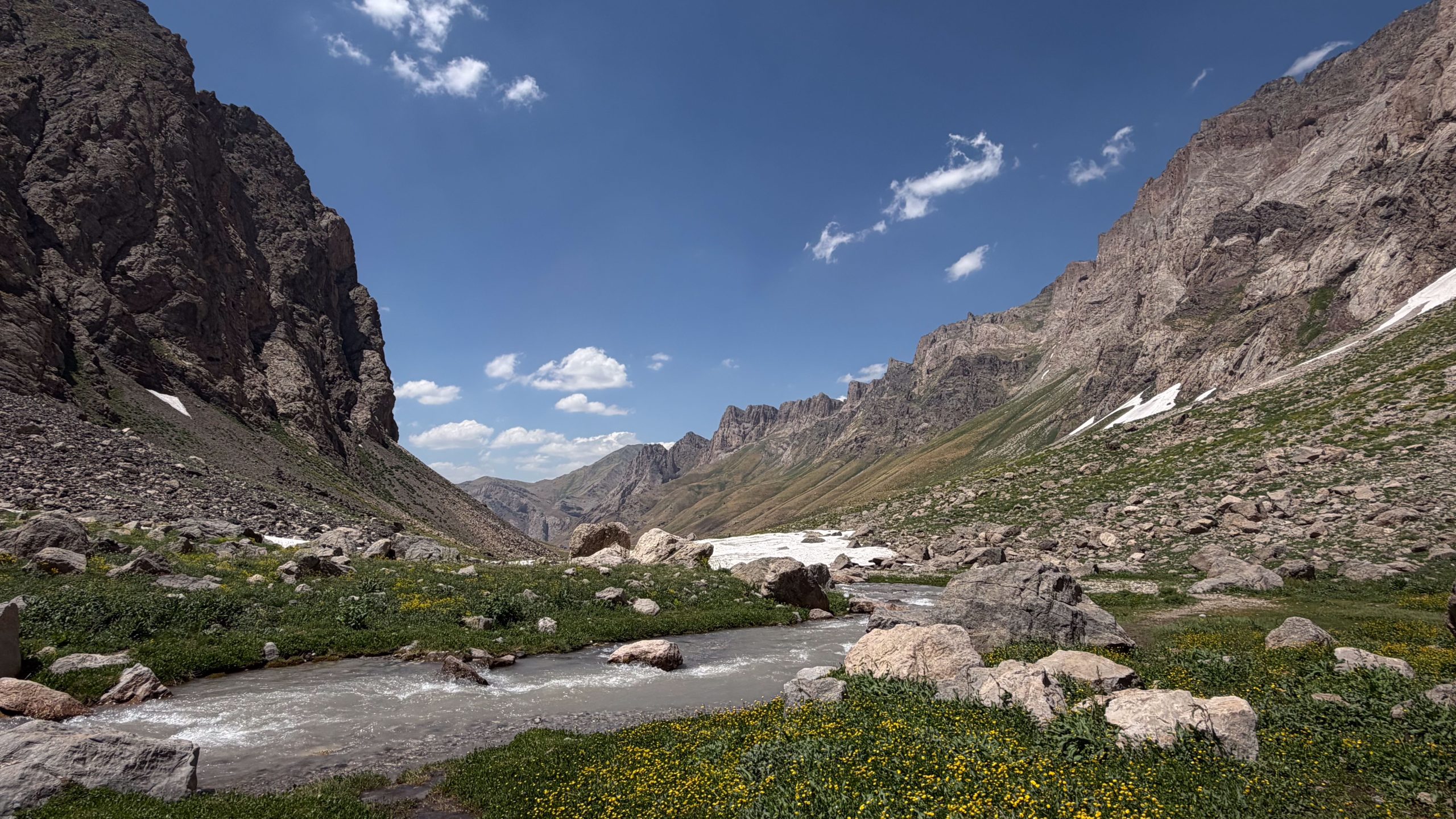
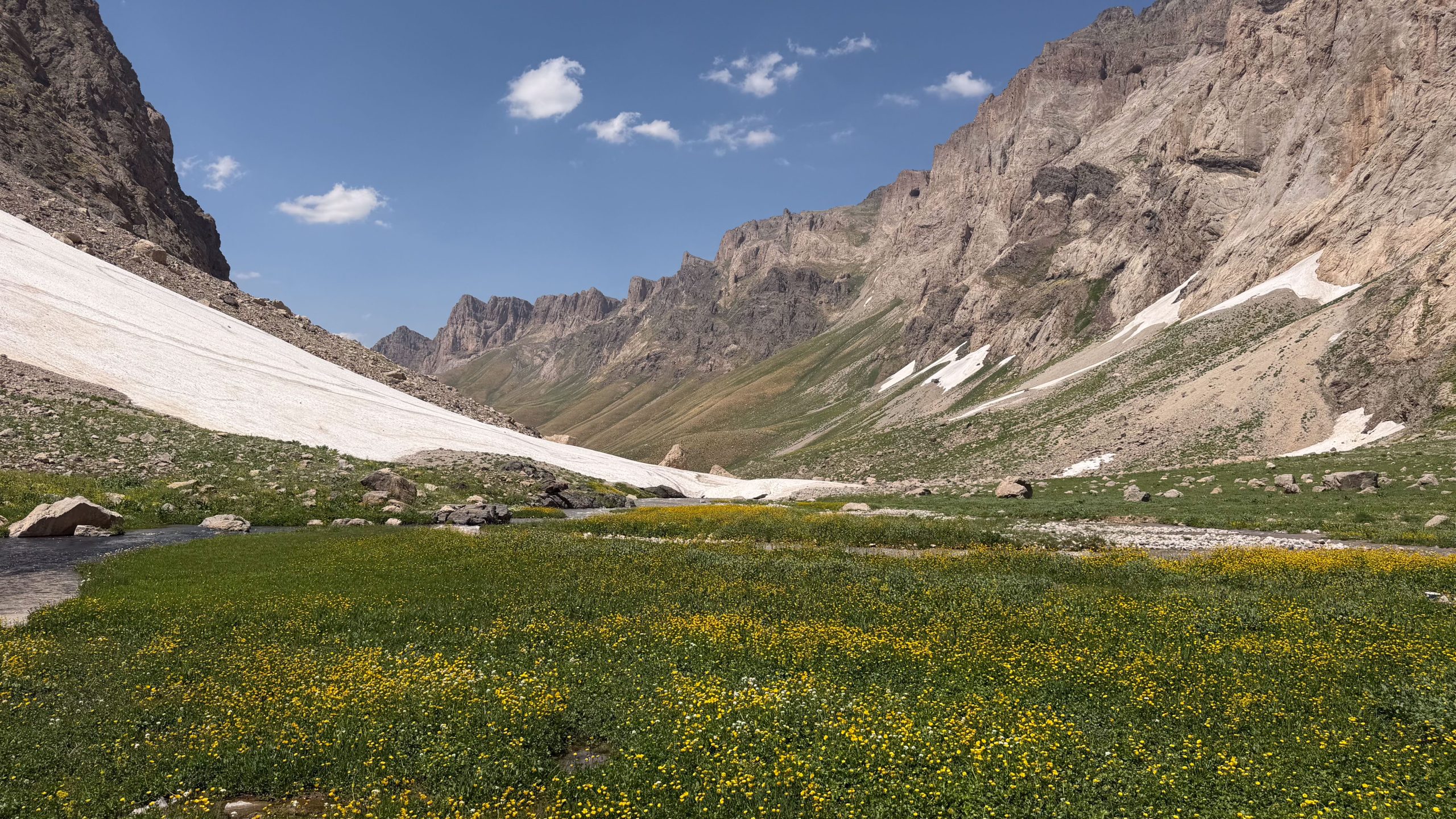
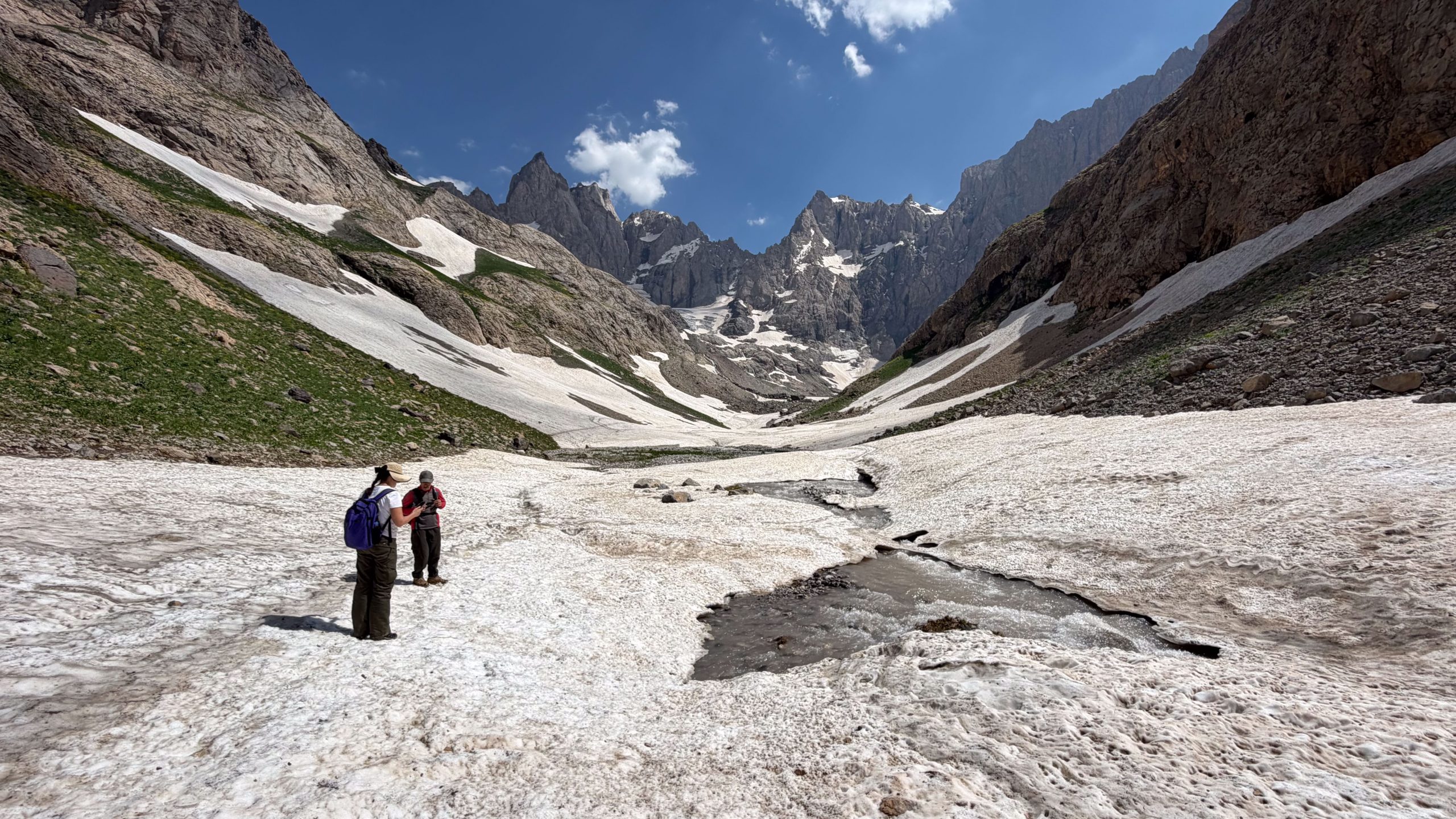
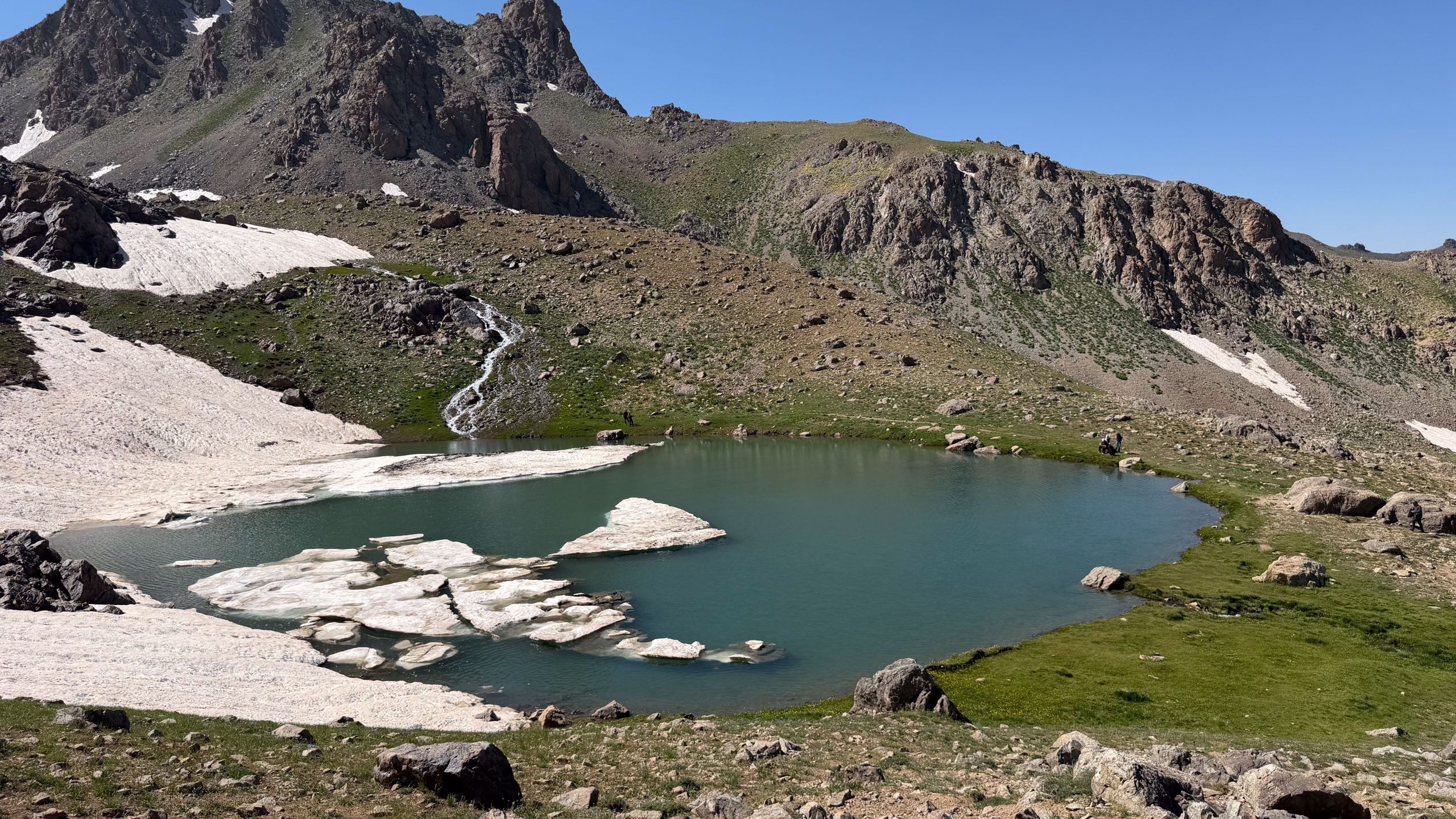
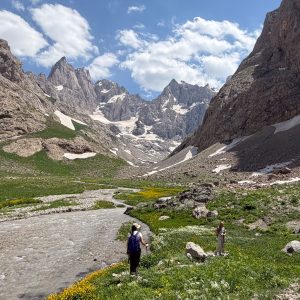
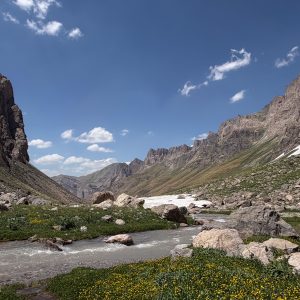
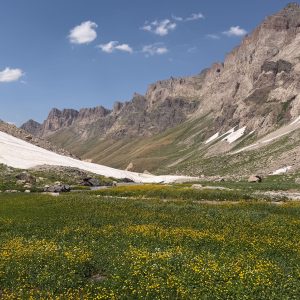
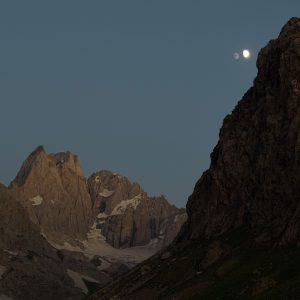
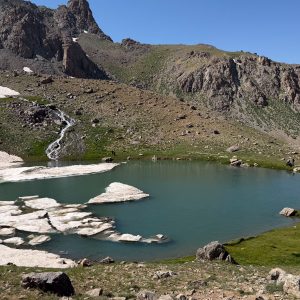
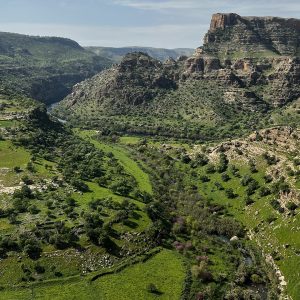
In Hakkâri, the landscape rises into the Cilo and Sat mountain ranges. High valleys, alpine meadows and glacial landforms shape this mountain environment. Lakes lie above 3,000 metres in some areas.
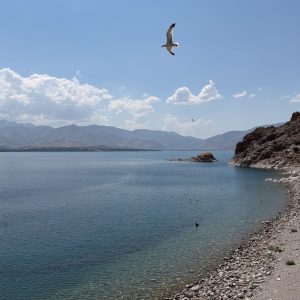
Around Van, by contrast, the mountains open onto Lake Van and the archaeological landscape of the Urartian kingdom.
Between the two regions are mountain villages, pastoral traditions, regional cheeses, wild herbs and local kitchens. At the same time, castles, churches and archaeological sites add thousands of years of history to the journey.
We do not want to rush between a list of attractions. Instead, we use the journey to understand how geography, history and everyday life fit together.
Why Travel Through Van & Hakkari?
This journey suits travellers with more than one interest. It can bring together mountain landscapes, walking, archaeology, food, photography and local culture. At the same time, not every day needs to follow the same travel style.
Depending on your interests, a tailor-made programme can focus more strongly on:
- Cilo-Sat mountain landscapes and high-altitude lakes
- Berçelan Plateau and its surrounding mountain environment
- Short and moderate walks rather than long trekking days
- Urartian archaeology around Van
- Akdamar Island and the medieval Armenian heritage of Lake Van
- Castles and historic routes between Van and Hakkâri
- Local cheeses, dairy products, herbs and regional cooking
- Village life and seasonal pastoral traditions
- Botany and high-mountain flora
- Landscape and cultural photography
The High-Mountain Landscapes of Hakkari
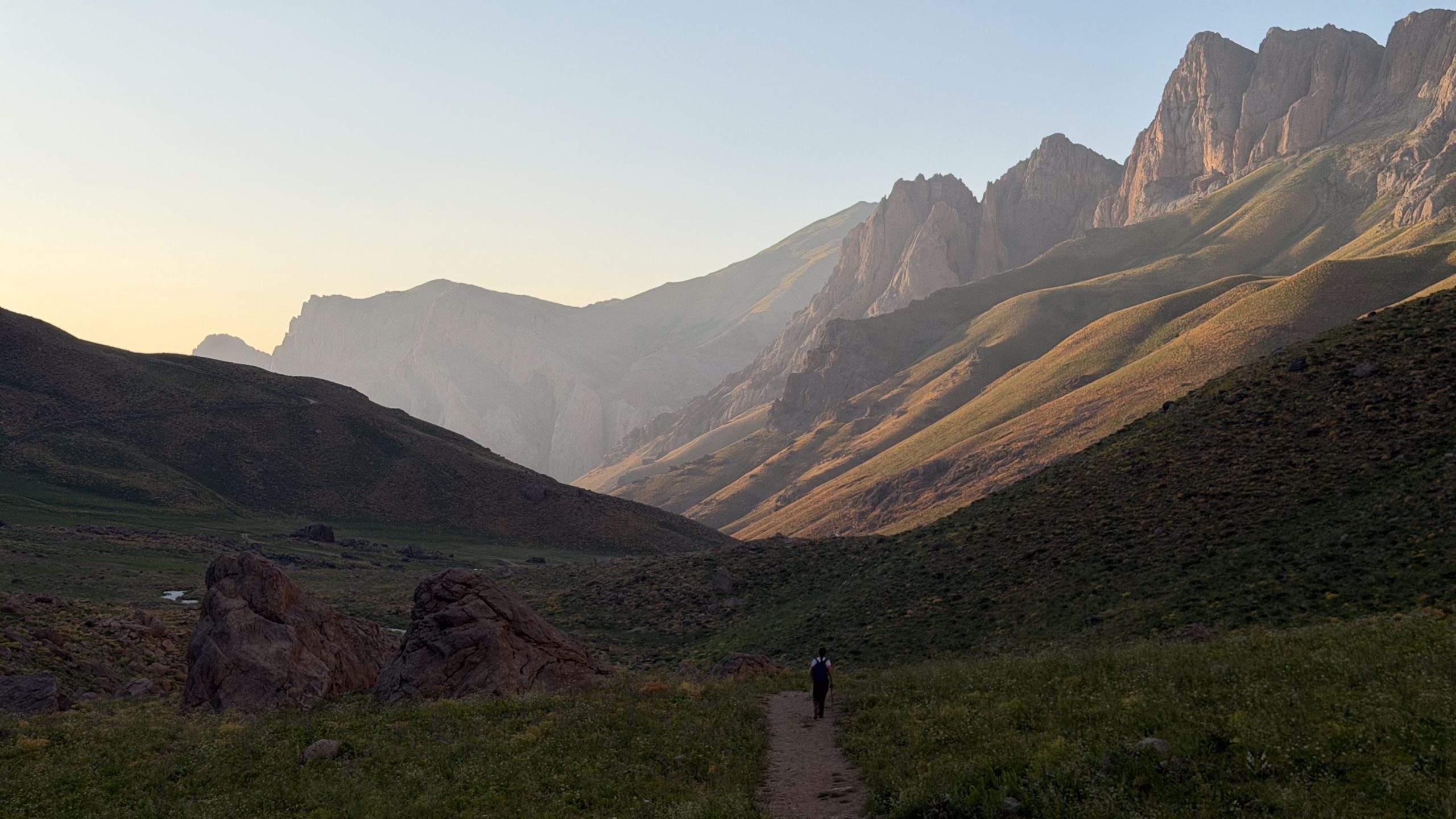
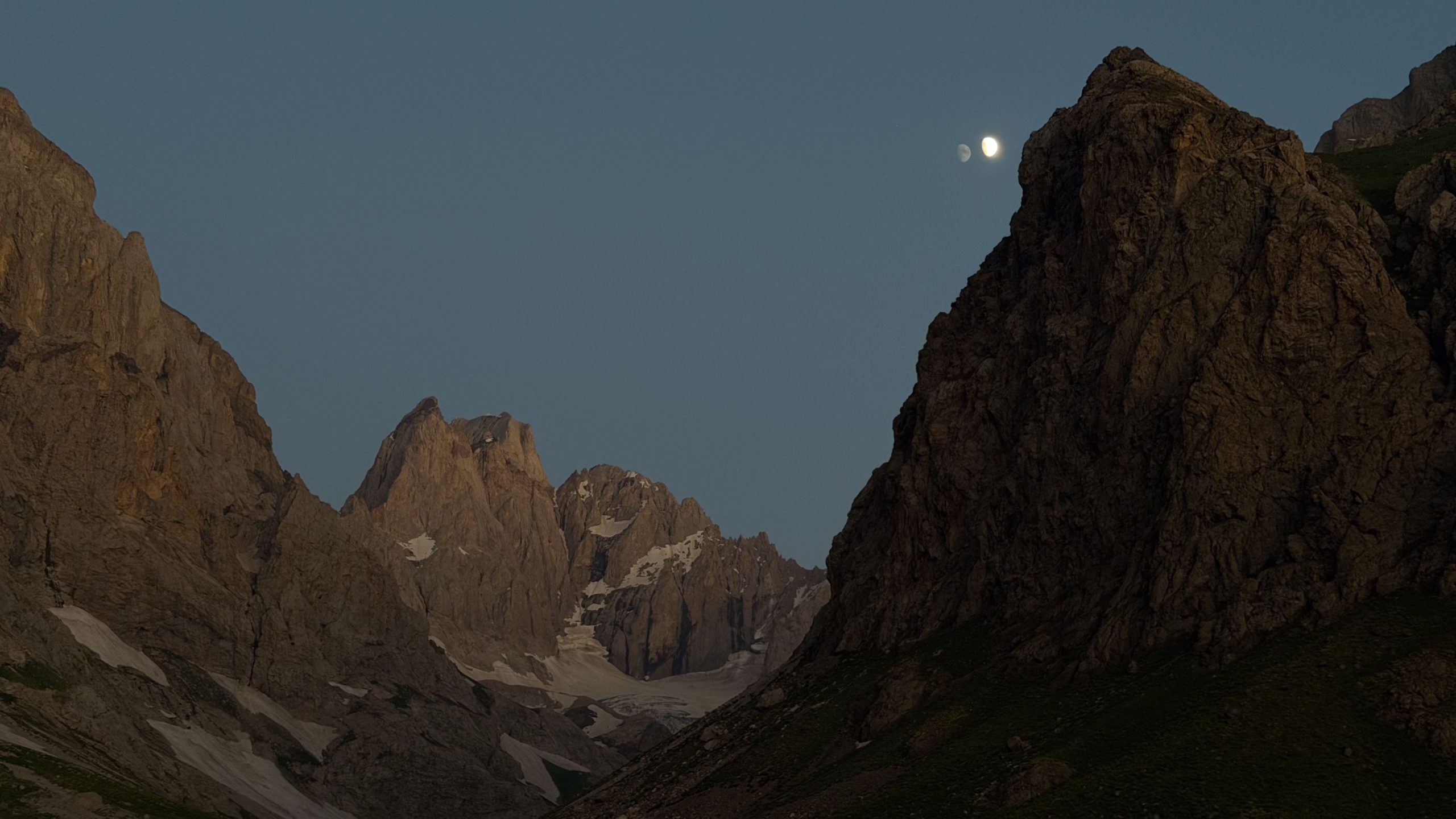
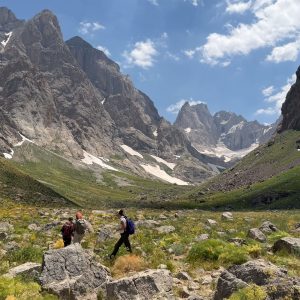
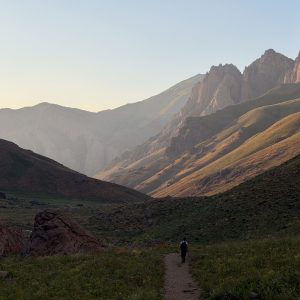
The Cilo-Sat Mountains form the natural heart of the journey. High valleys, glacial landforms, mountain lakes and summer pastures define the landscape. As a result, it feels very different from the better-known walking regions of western and southern Turkey.
Our aim is not necessarily to walk as far as possible. Instead, a day might include a shorter walk, photography or a long landscape stop. We might also have a local meal or simply spend time beside a mountain lake.
This flexibility allows travellers to experience the mountains without turning the journey into a demanding trekking expedition.
Weather, road conditions and local restrictions can affect access to the high mountains. Therefore, we confirm mountain routes locally and adapt them when conditions require it.
Urartu – Reading the Landscape Around Van
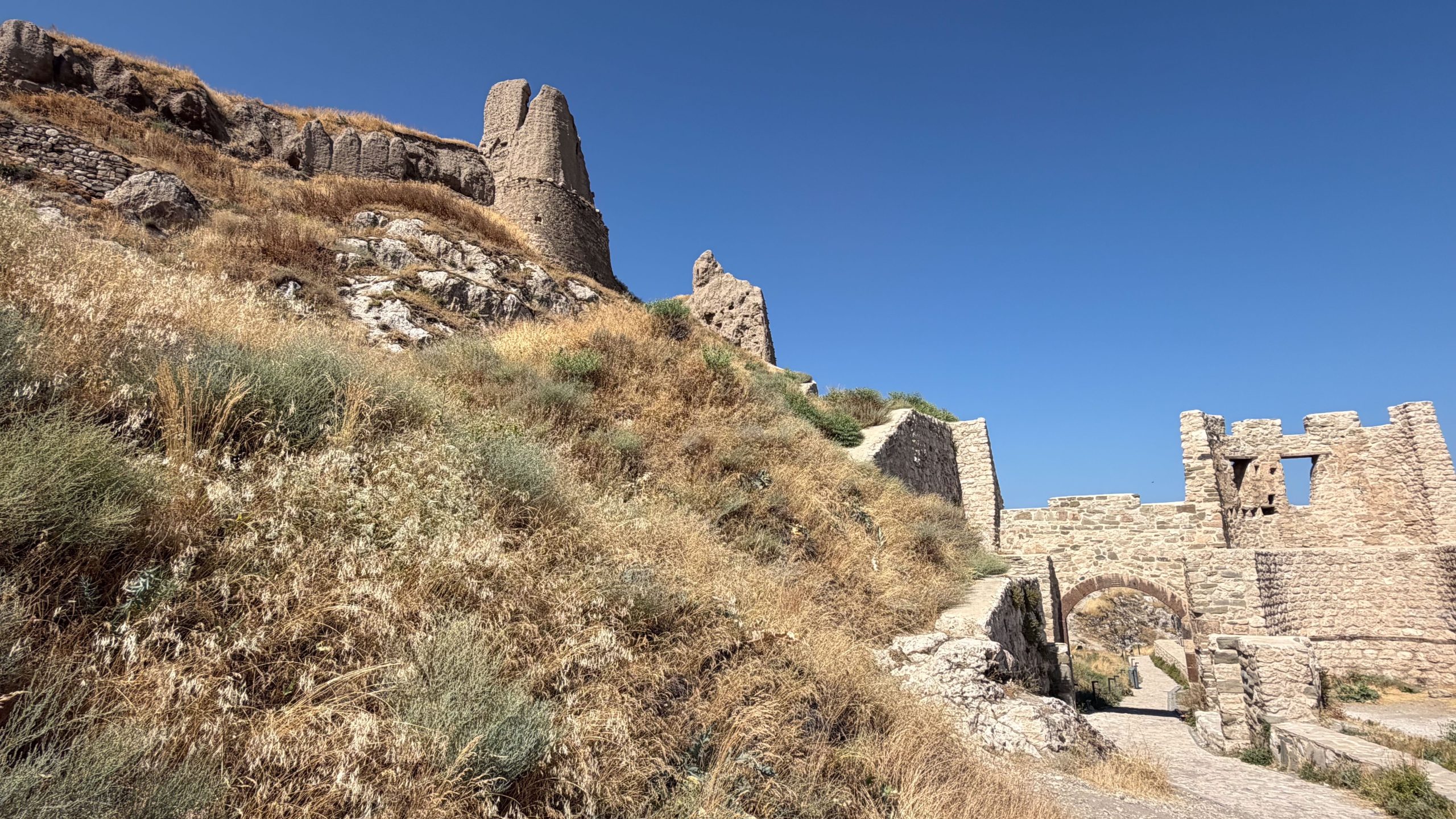
Van adds a completely different dimension to the journey. Ancient Tushpa, centred on Van Fortress, became the capital of the Urartian kingdom. Its rulers built fortresses, inscriptions, water systems and settlements across eastern Anatolia.
Van Fortress and Çavuştepe help us follow this history through the landscape. As a result, archaeology becomes part of the journey rather than an isolated museum visit.
The Urartians knew Çavuştepe as Sardurihinili, a city associated with King Sarduri II. Its fortifications, temples, storage areas and water structures reveal how the Urartian state organised this region.
Akdamar Island & the Lake Van Story
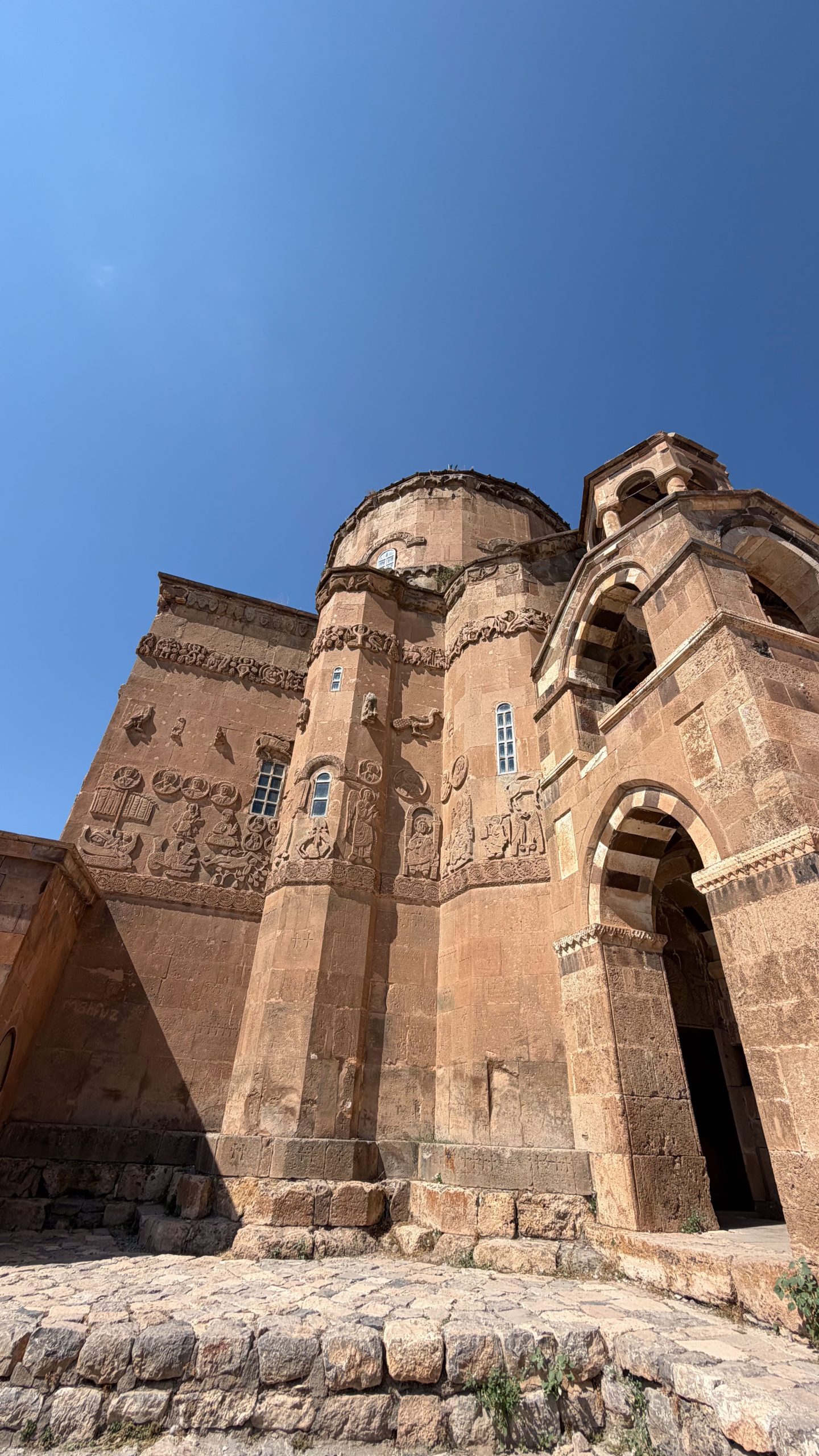
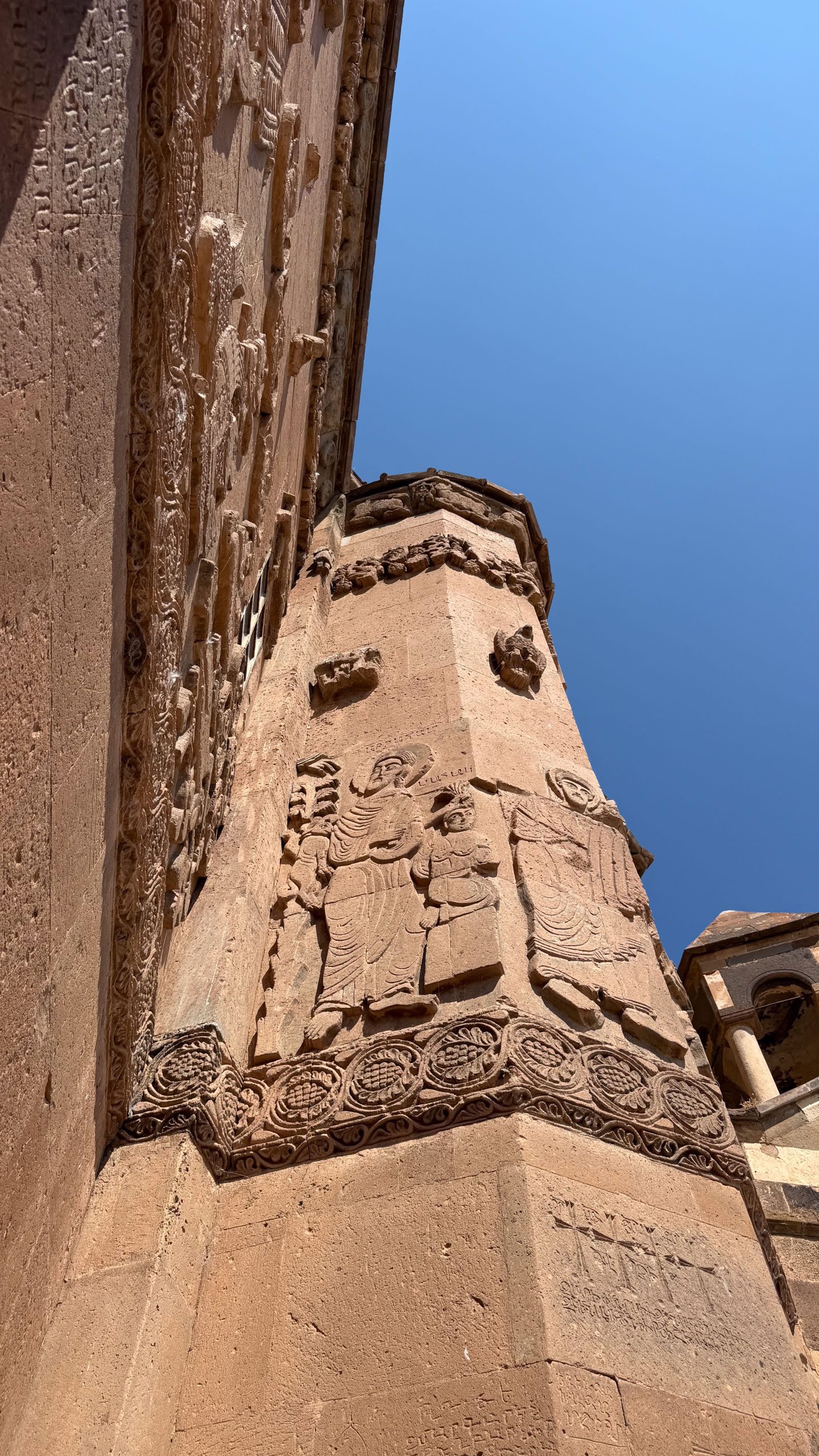
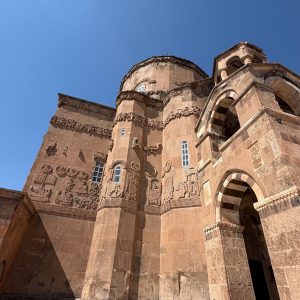
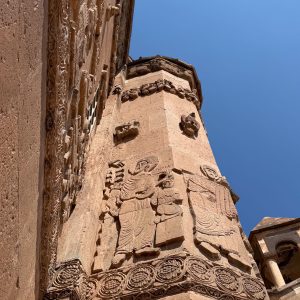
A boat journey to Akdamar Island introduces another period of the region’s history. Gagik I Artsruni of Vaspurakan commissioned the Church of the Holy Cross in the early 10th century. The stone reliefs covering its exterior are among its most distinctive features.
Akdamar also helps us look beyond a single archaeological period. Together, Urartian sites, later castles and communities around Lake Van reveal a much longer cultural history.
Local Food Is Part of the Journey
We do not treat food simply as something that happens between visits.
Hakkâri and Van have strong regional food traditions. Livestock, mountain pastures, dairy products and locally gathered herbs have all shaped the local kitchen.
Depending on the season and itinerary, we can explore local cheeses, yoghurt, village breakfasts and regional dishes. In addition, we can make food stops that fit naturally into the places we visit.
Where possible, we prefer small local restaurants and regional kitchens rather than a standard tourism circuit.
Extend the Journey to Bitlis & Nemrut Crater Lake
The five-day itinerary below is only one possible version of the journey. With additional time, we can continue west around Lake Van towards Bitlis, Tatvan and Nemrut Crater Lake.
This extension introduces another landscape. Around Nemrut, for example, volcanic scenery replaces the high mountain environment of Hakkâri. Bitlis adds its historic urban landscape, while Tatvan opens onto the western shore of Lake Van.
Travellers with a strong interest in history can choose another direction. Instead, we can devote more time to an Urartian archaeology programme around Van and visit additional archaeological sites. The final selection depends on your interests, access and opening conditions.
Continue Your Journey Through Eastern Turkey
Van and Hakkâri work well as a journey on their own. However, they can also become part of a longer exploration of Eastern and Southeastern Turkey.
Travellers interested in archaeology can continue south towards Mount Nemrut, Şanlıurfa and the Neolithic landscapes around Göbeklitepe. Our Mount Nemrut & Göbeklitepe Tour combines archaeology, cultural landscapes and selected walks across southeastern Turkey.
Further south, our Tur Abdin & Mardin Tour explores historic villages, monasteries and the Syriac cultural heritage of Mardin and Tur Abdin.
For a broader journey, see our Southeast Turkey & Mesopotamia Tour. This journey combines archaeology, local food, walking and living cultures across Gaziantep, Mount Nemrut, Şanlıurfa and Mardin.
You can experience these as separate journeys. Alternatively, we can use them to create a longer tailor-made route through Eastern and Southeastern Turkey.
A Journey Designed Around Your Interests
We shape this programme around what brings you to the region.
An archaeology-focused journey will look different from one centred on mountains, photography or botany. Likewise, travellers who prefer shorter walks will experience the region differently from those who want full days in the mountains.
If plants and mountain habitats are your main interest, explore our Eastern Anatolia Botanical Tour. This specialist journey gives more time to flora, habitats and botanical observation. In addition, it explores the landscapes and cultural heritage of Eastern Anatolia.
We can also add botanical elements to the Van and Hakkâri programme. In particular, the high mountain and plateau landscapes work well for this approach.
Tell us how many days you have and what interests you most. From there, we can use this sample itinerary as a starting point and build the journey around you.
Be the first to review “Van & Hakkari Tailor-Made Tour | Glacial Lakes, Urartu & Mountain Culture”
Sample 5-Day Van & Hakkari Itinerary
This is a sample itinerary. The route can be shortened, extended or redesigned according to season, local conditions and your interests. Additional days can include Bitlis, Nemrut Crater Lake or a more detailed Urartian archaeology programme around Van.
Day 1 – Van, Akdamar Island & the Urartian Capital
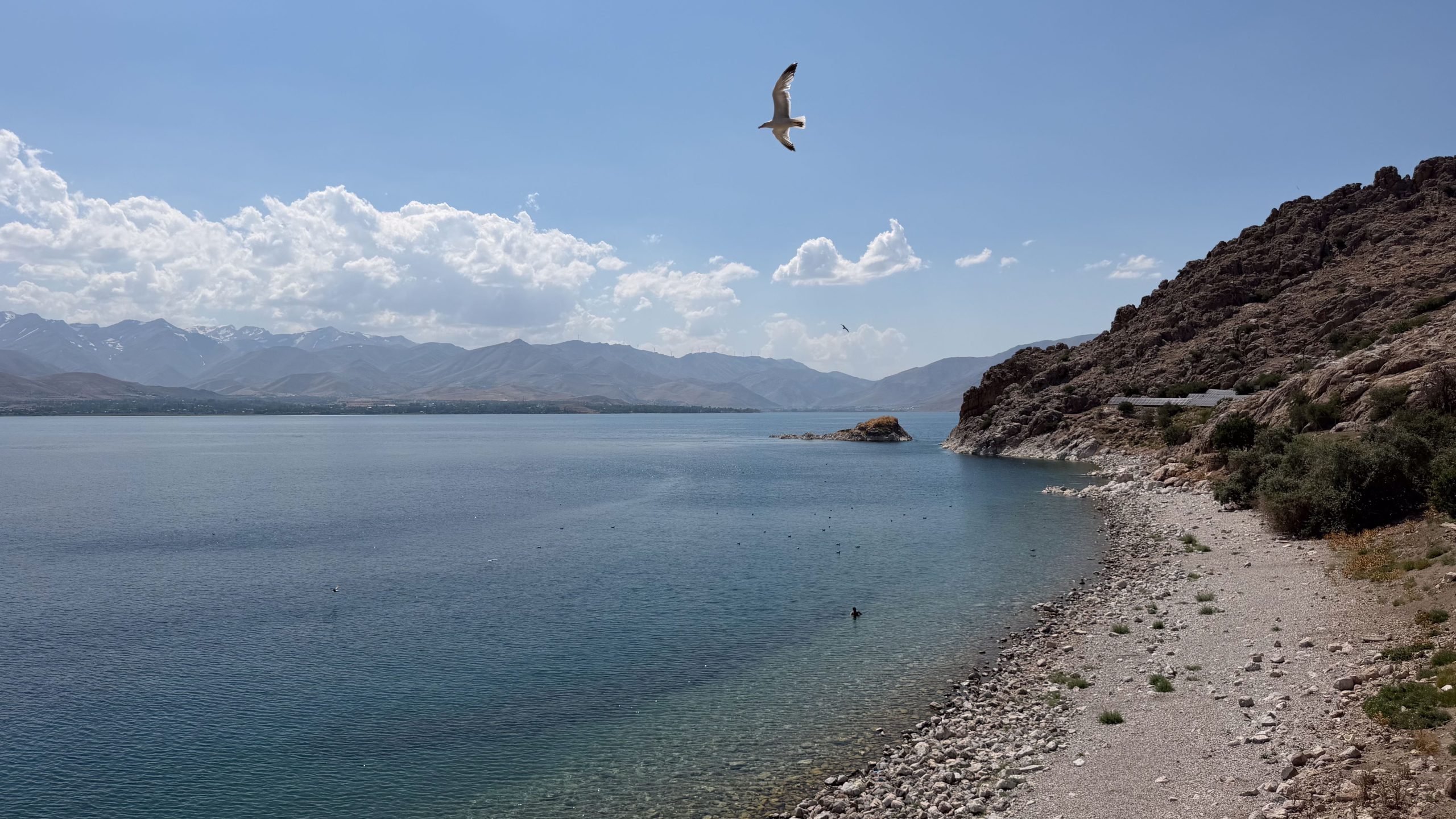
We meet in Van and begin beside the lake. From the southern shore, a short boat journey takes us to Akdamar Island and the Church of the Holy Cross, built between AD 915 and 921 during the reign of Gagik I Artsruni.
Its exterior stone reliefs make the church one of the most distinctive medieval monuments in eastern Anatolia, while the island itself gives us our first sense of the scale of Lake Van.
Returning to Van, we turn to an earlier chapter of the region’s history. Depending on timing and interests, we visit Van Fortress and/or Van Museum to introduce Tushpa and the Urartian kingdom before travelling deeper into its former territory.
Day 2 – Van to Hakkari & the Sat Lakes
After breakfast we leave Van and travel southeast towards Yüksekova and the high mountain landscapes of Hakkâri.
Our aim is not simply to reach the mountains but to watch the geography change along the journey. Broad basins gradually give way to increasingly dramatic ridges and valleys as we approach the Cilo-Sat ranges.
Subject to road, weather and local access conditions, we continue towards the Sat Lakes for a moderate walk and time in the high landscape. Rather than rushing around the lakes, we allow time for photography, observation and rest before continuing to our accommodation.
Day 3 – Cilo Mountains & Cennet-Cehennem Valley
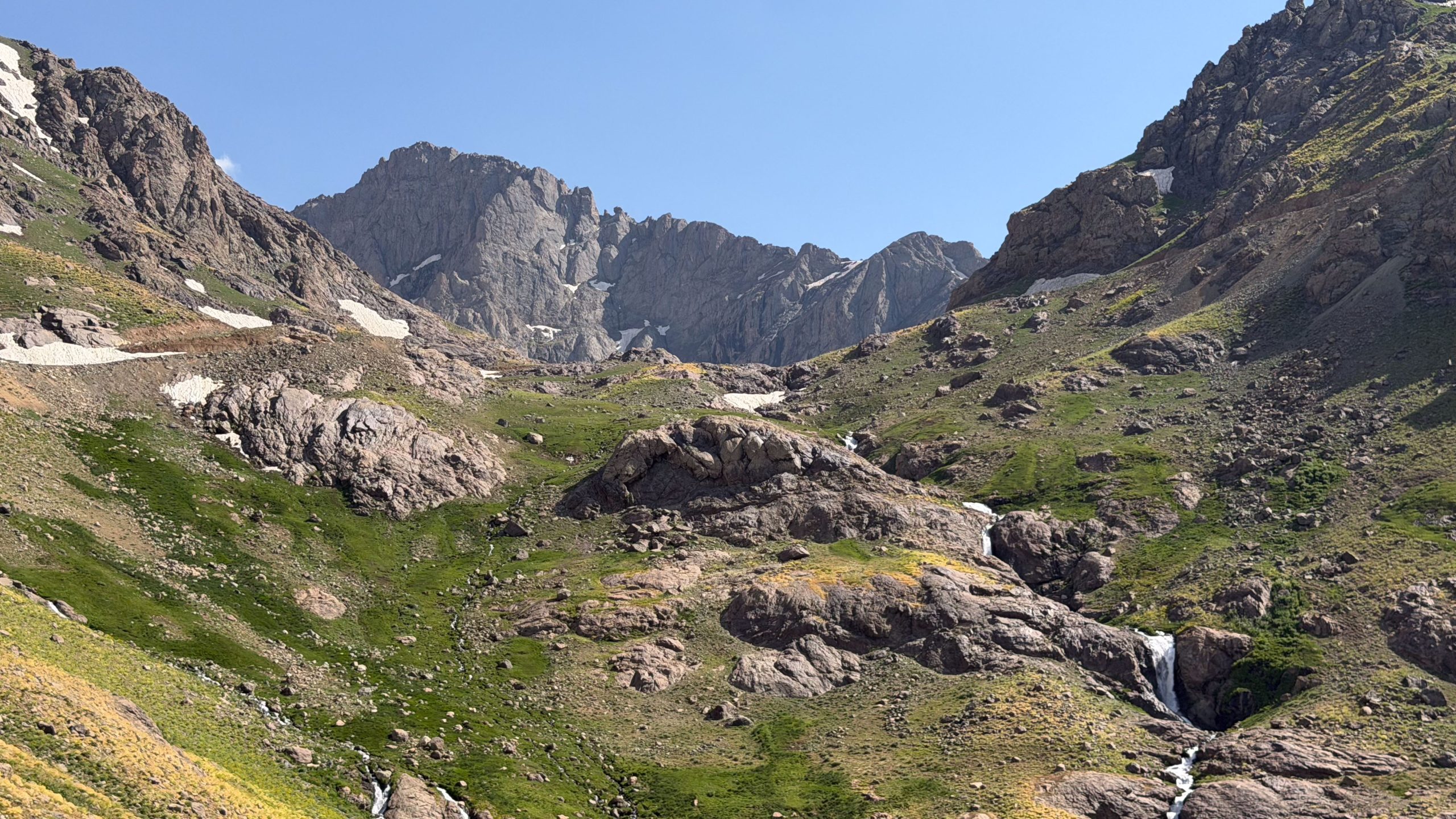
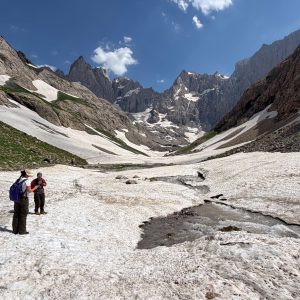
Today is devoted to the landscapes of the Cilo Mountains. Depending on current access and conditions, the day can include Gelezor Waterfall and the Cennet-Cehennem Valley, with views towards the glacial landscapes of the high mountains.
We walk at a pace appropriate to the group and conditions, stopping to look at the geology, vegetation and changing mountain environment rather than treating the day as a race to a destination.
Access near glaciers and high mountain terrain is always determined by current regulations, local advice and safety conditions. We do not enter restricted glacier areas.
A picnic or local food stop can be incorporated into the day according to the route before returning to Hakkâri.
Day 4 – Berçelan Plateau, Mountain Lakes & Local Life
Berçelan offers another side of Hakkâri’s mountain landscape: high pastures, seasonal flowers, lakes and summer grazing areas above the city.
The walking programme can be adapted according to conditions and interests. We can spend more time walking, concentrate on photography and flora, or simply slow the day down around the plateau and its lakes.
The human landscape matters here as much as the scenery. Seasonal pastoral life, livestock and dairy production remain part of the identity of Hakkâri’s uplands.
Back in town, there may be time to explore local cheeses, yoghurt and other regional products before the final evening.
Day 5 – Hoşap, Çavuştepe & Return to Van
We return towards Van through a landscape that has carried armies, traders, herders and travellers for centuries.
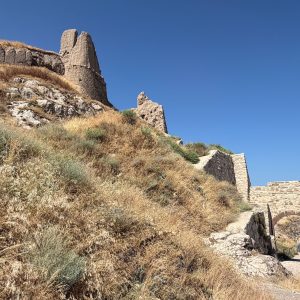
At Hoşap we stop at the dramatic castle above the old route. Although the site’s history reaches further back, much of the fortress visible today belongs to the Mahmudi rulers and dates to the Ottoman period.
We then continue to Çavuştepe, ancient Sardurihinili, constructed during the reign of the Urartian king Sarduri II. Fortifications, temples, storage areas, cisterns and other remains help us read how the Urartian kingdom organised this landscape almost three millennia ago.
Depending on flight times and the final programme, additional stops can be considered before the journey ends in Van.
Guidelines & Notes
This Is a Tailor-Made Journey
The itinerary shown on this page is a sample programme rather than a fixed departure. The number of days, overnight locations, walks and cultural visits can be adjusted according to your interests, season and travel plans.
Walking & Physical Activity
The programme can include moderate mountain walks, but it does not need to be designed as a demanding trekking tour. Walking distances and elevation can be adapted where practical, and some days can concentrate more on landscape, culture, archaeology or photography.
High-Altitude Conditions
Several locations in Hakkâri are at high altitude. Weather can change quickly, even in summer, and road or trail conditions may affect access. Suitable walking footwear, layered clothing and protection from sun, wind and rain are recommended.
Mountain Access
Access to high mountain areas is subject to current road conditions, weather, local regulations and advice from our local team. Some routes may require high-clearance or off-road vehicles. Glacier areas and restricted terrain are approached only in accordance with current access rules.
Flexible Route Planning
If conditions make a planned mountain route unsuitable, we may adjust the day’s programme and use another walking, cultural or landscape option in the region. Flexibility is part of travelling in this mountain environment.
Health & Personal Requirements
Please tell us before travel about any information that may be relevant to planning your walks, transport or accommodation. If you have concerns about walking or spending time at altitude, discuss them with your doctor before travelling.
Flights & Arrival
Because this is a tailor-made programme, arrival and departure arrangements are planned around the final itinerary. Please discuss your preferred flights with us before confirming the programme.
Extensions & Special Interests
The journey can be extended towards Bitlis, Tatvan and Nemrut Crater Lake, or developed into a more archaeology-focused programme around Van and the Urartian landscape. Botany, photography, food and shorter walking programmes can also be incorporated according to your interests.
If botany is the main purpose of your journey, see our Eastern Anatolia Botanical Tour, which is designed specifically around flora, habitats, botanical observation and the cultural landscapes of Eastern Anatolia.
Travel arrangements are organised by Globe Outdoors Travel, TÜRSAB Document No. A-17542.
Reviews
There are no reviews yet.