



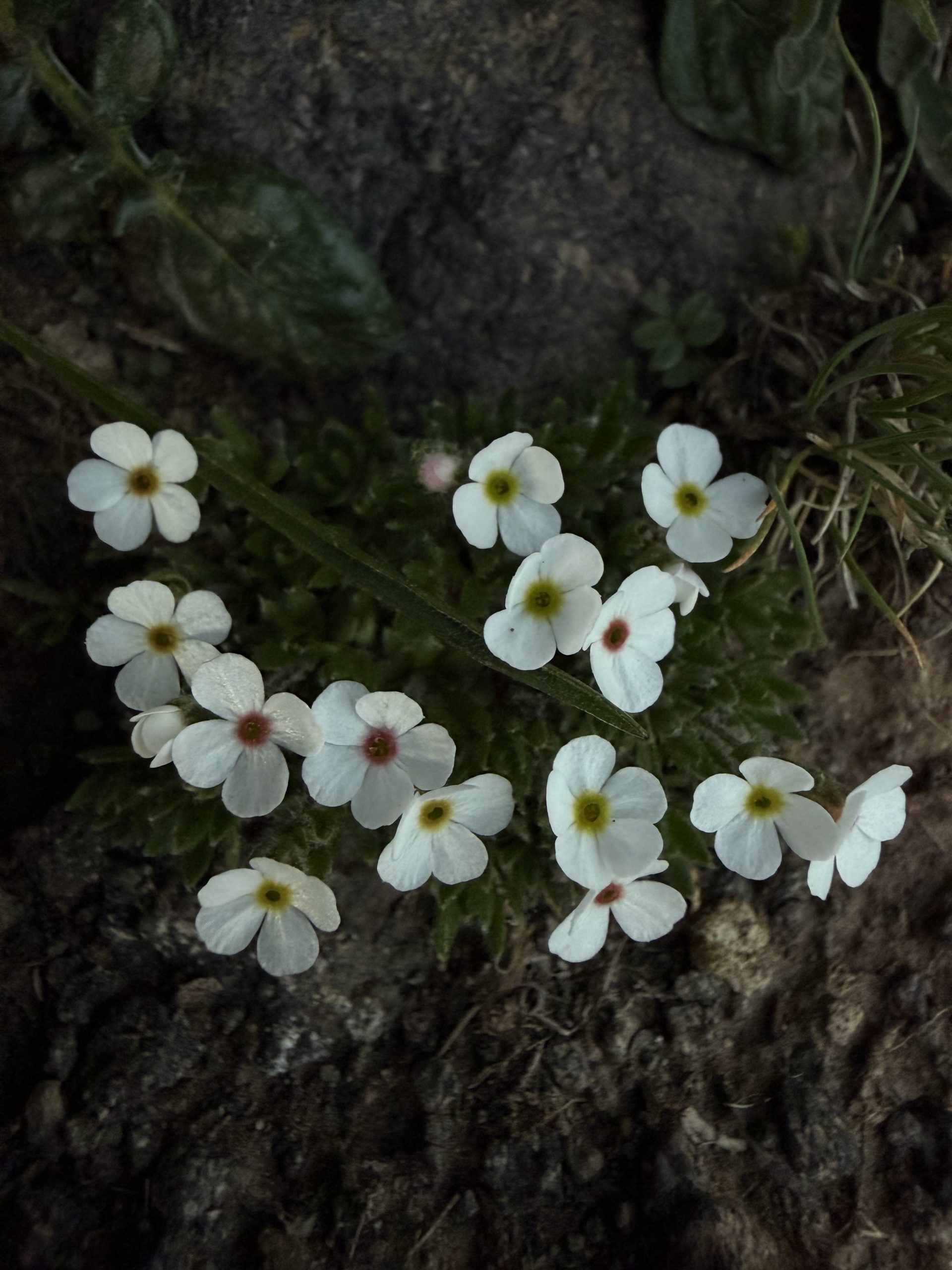
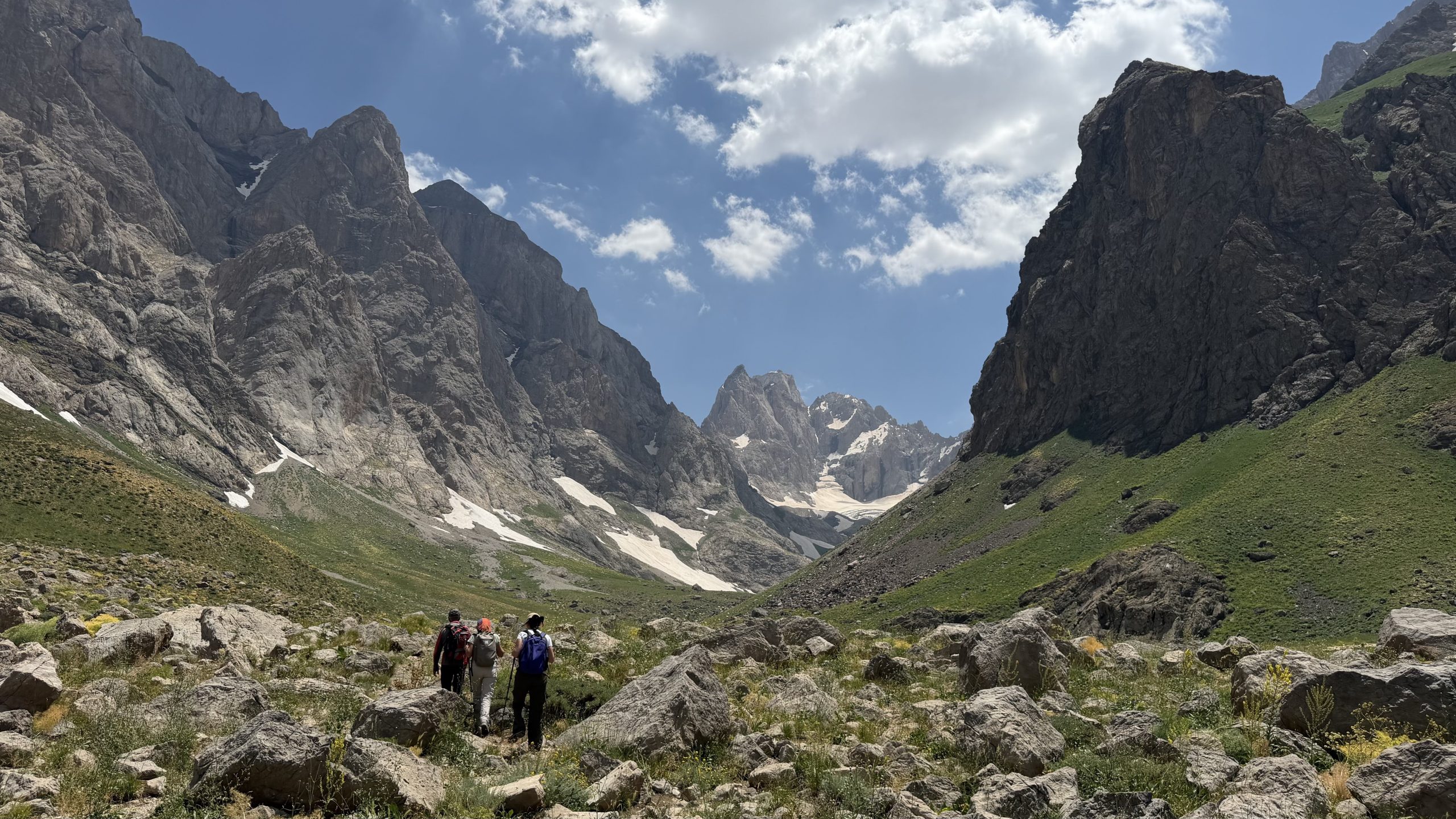
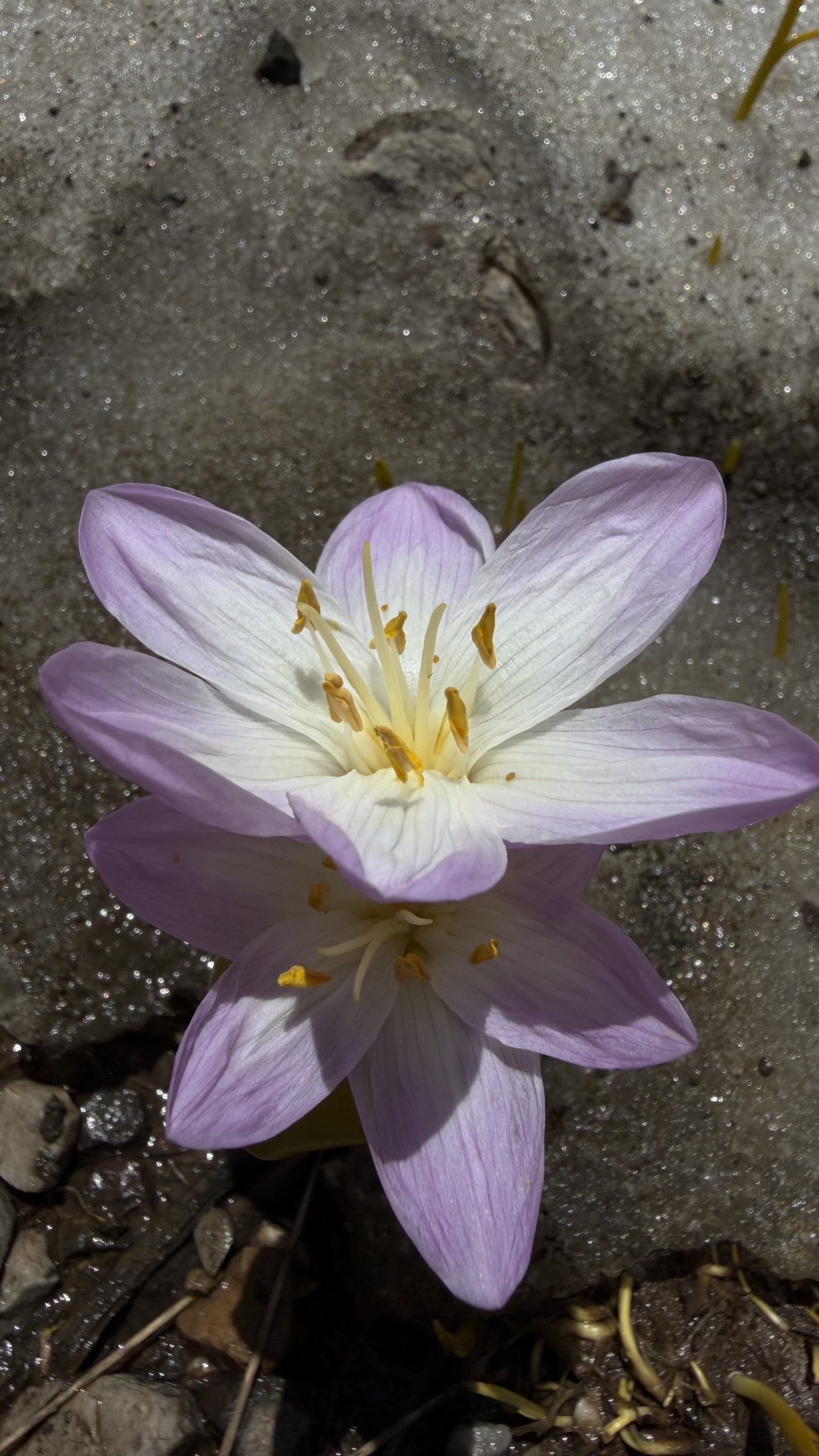
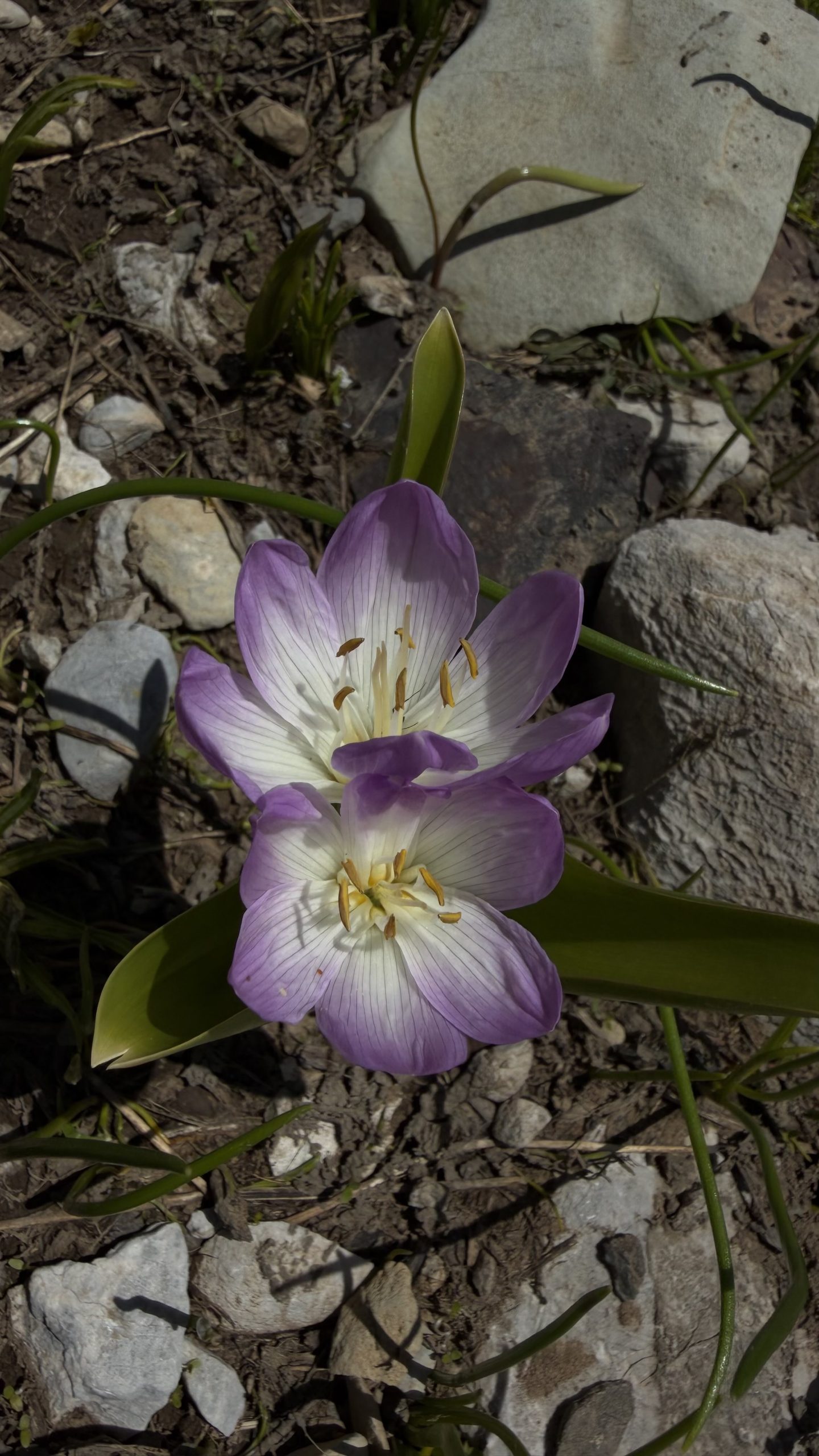







Eastern Anatolia Botanical Tour | Flora, Landscapes & Cultural Heritage
A private 12-day botanical and cultural journey through Kars, Doğubayazıt, Van and the mountain landscapes of Hakkari and Yüksekova.
Designed for botanists, naturalists, photographers and curious travellers, the journey explores Eastern Anatolia through its flora, habitats, landscapes, archaeology and living cultures.
There is no rigid sightseeing schedule. Botanical stops remain flexible according to the season, altitude, flowering conditions and the interests of the group.
Travel through Eastern Anatolia not simply to see the landscape, but to read it.


- Description
- Reviews (0)
- More Info
- Guidelines and Notes
- Form
Description
Eastern Anatolia Through Plants, Landscapes and Culture
Our Eastern Anatolia botanical tour is a private journey through Kars, Doğubayazıt, Van, Hakkari and Yüksekova, designed for travellers who want to explore the region through its flora, mountain habitats, landscapes and cultural heritage.
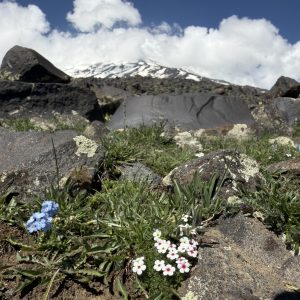
Eastern Anatolia is a region where altitude, geology, climate and human history come together within an extraordinary variety of landscapes. Rather than travelling simply from one destination to another, we use botany as the starting point for understanding the geography around us.
The journey combines botanical field observation, archaeology, history, mythology, local culture and selected regional food experiences. Botany remains the main theme throughout, while these additional layers help us understand the relationship between plants, landscapes and the people who have lived here.
A botanical specialist accompanies the journey, allowing us to spend meaningful time observing plants and habitats in the field rather than treating botanical stops as short additions to a conventional sightseeing tour.
Botany Is at the Centre of the Journey
This is not a conventional cultural tour with a few flower stops added to the itinerary.
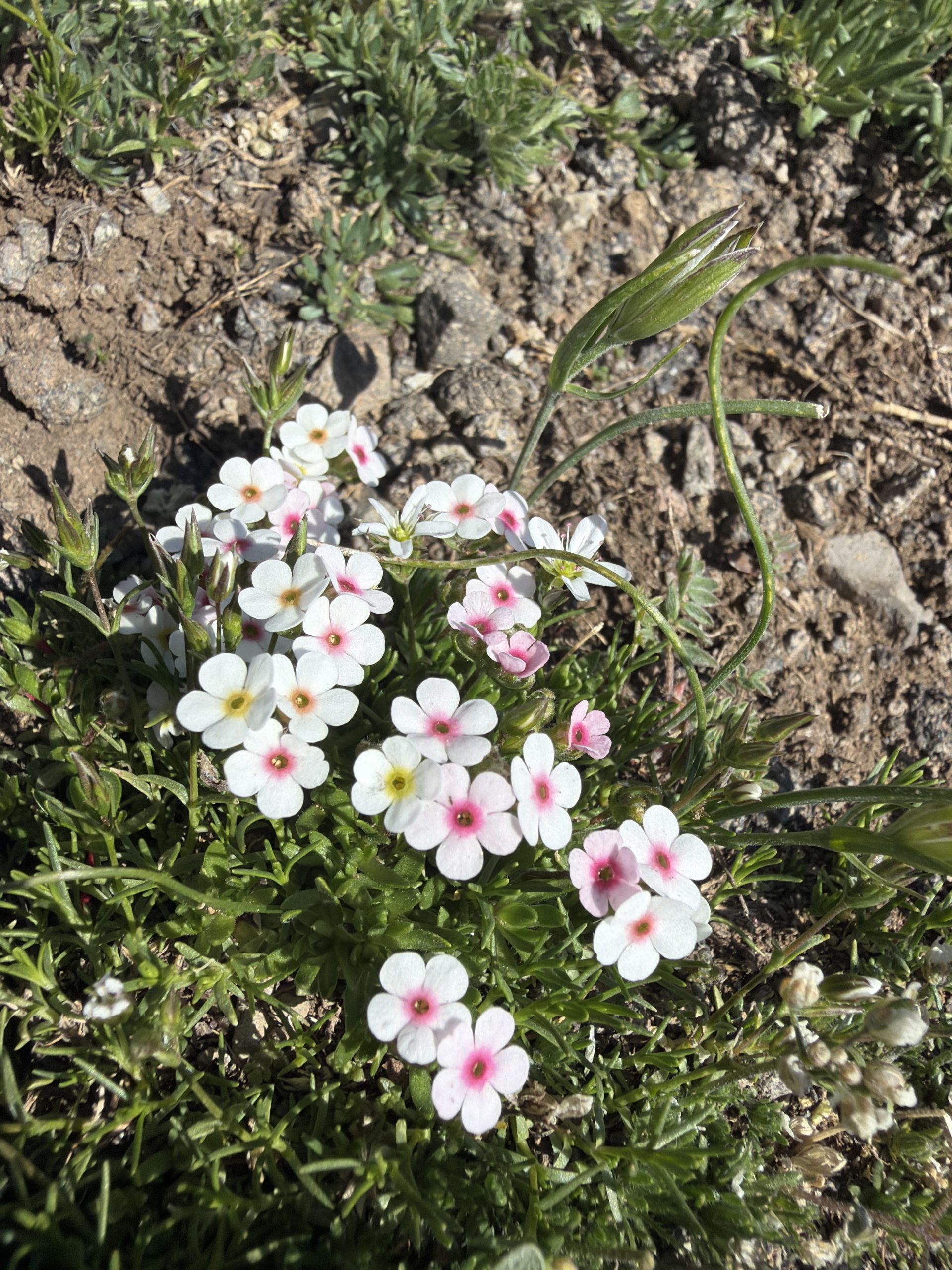
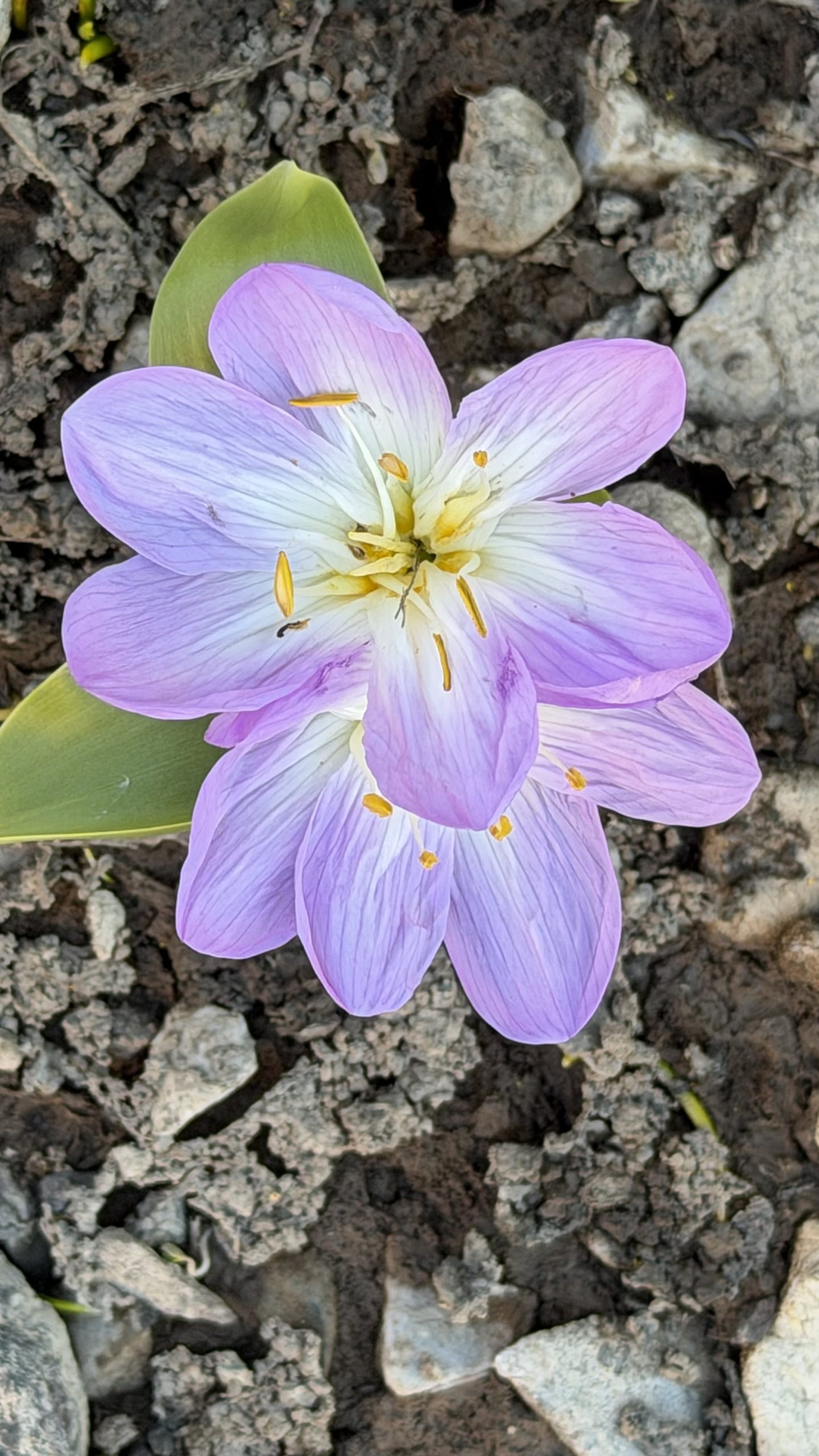
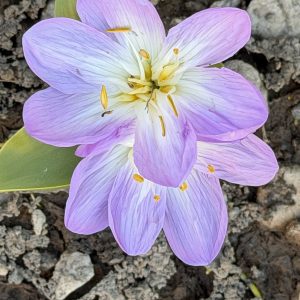
Time in natural habitats is an essential part of the journey. Depending on the season, altitude and interests of the group, we may spend time examining plants, observing changes in vegetation, photographing particular habitats or simply understanding why different plant communities occur where they do.
A planned stop may take twenty minutes. If the habitat proves particularly interesting, it may take considerably longer.
The programme gives us the freedom to respond to what we find in the field.
Eastern Anatolia Botanical Tour | From Kars to the Mountains of Hakkari
Our main 12-day journey follows a broad geographical progression across Eastern Anatolia:
Kars → Doğubayazıt → Van → Hakkari/Yüksekova
Rather than publishing a rigid day-by-day itinerary, we use these regions as the framework of the journey.
The route allows us to experience changing elevations, mountain systems, high plateaus and different ecological environments while also exploring some of Eastern Anatolia’s most important cultural and archaeological landscapes.
Kars | High Plateaus, Steppe and Cultural Landscapes
Kars provides our introduction to the high landscapes of northeastern Anatolia.
Botanical observation is combined with the broader landscape and cultural history of the region. The surrounding plateaus, open terrain and mountain environments allow us to begin examining how altitude, exposure, land use and climate influence vegetation.
Cultural and archaeological visits can be incorporated without dominating the botanical character of the journey.
Doğubayazıt | The Landscapes Around Mount Ararat
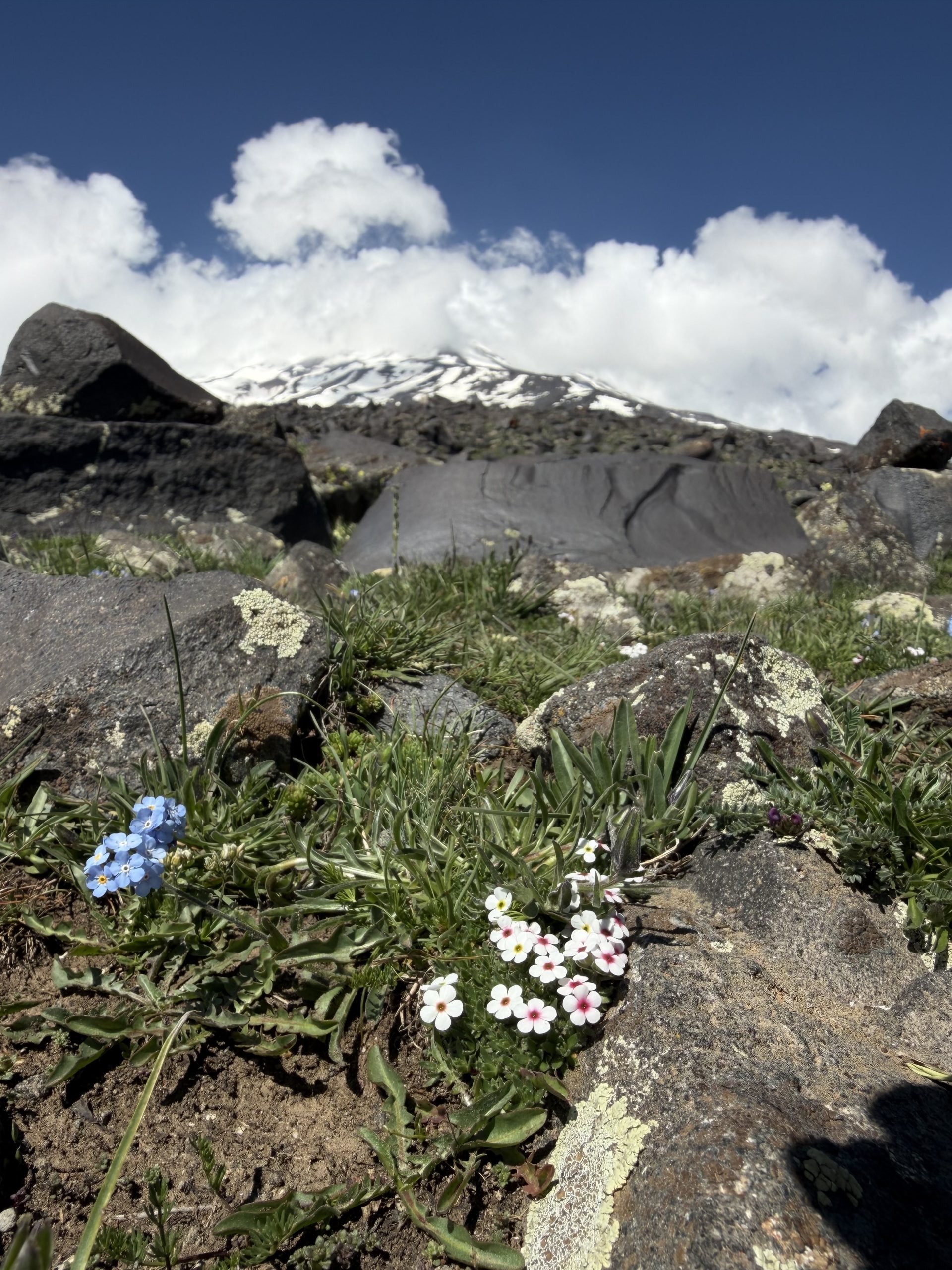
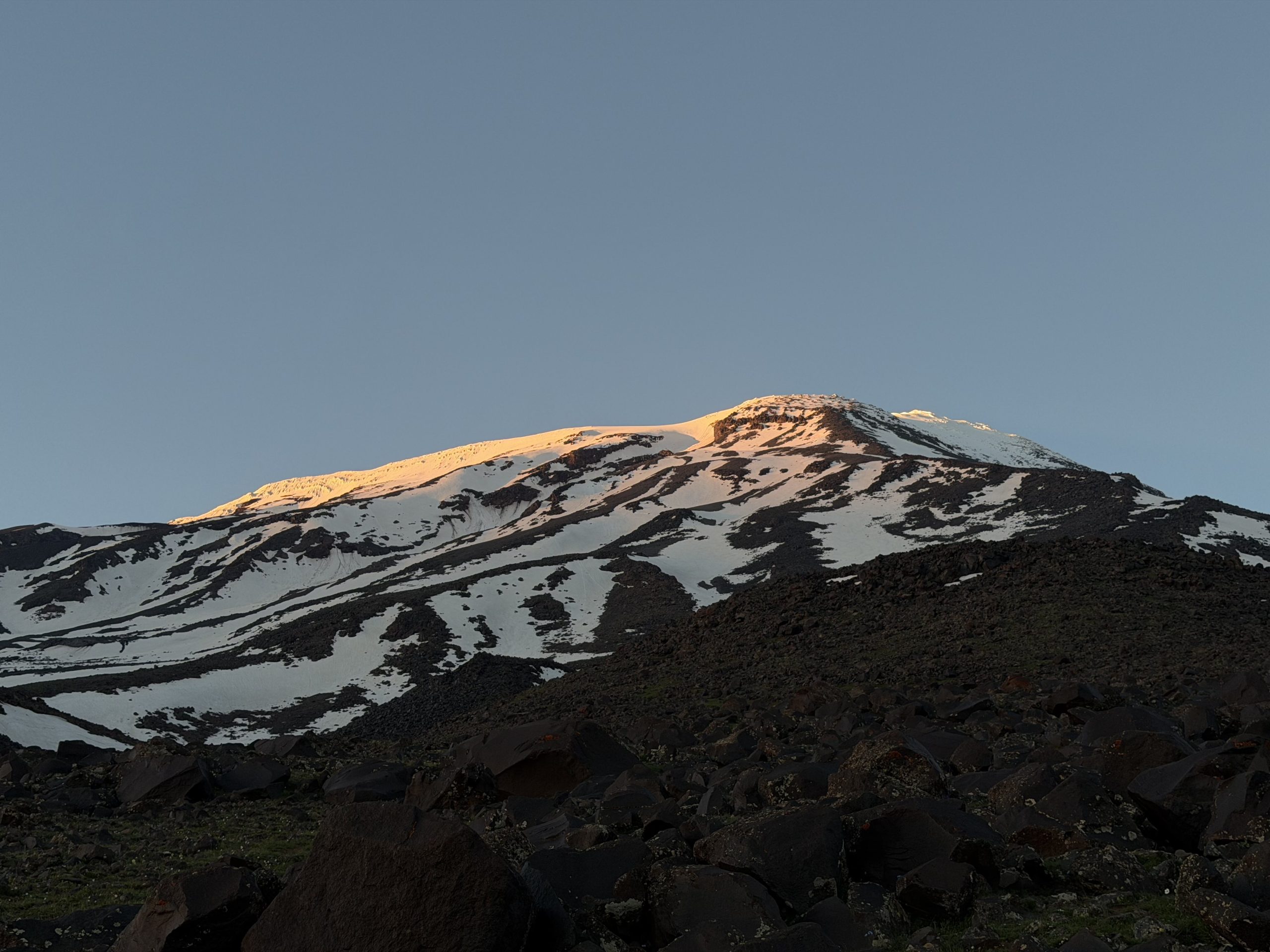
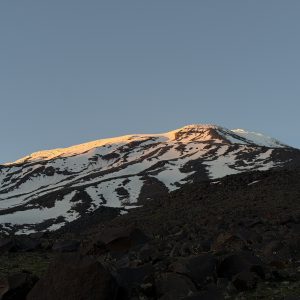
Continuing south, the landscape changes again as we approach Doğubayazıt and the environments surrounding Mount Ararat.
Here the relationship between elevation, geology, open landscapes and mountain vegetation becomes an important part of our field observations.
The region also provides a strong cultural dimension, allowing natural history and human history to be considered within the same landscape.
Van | A Different Botanical Landscape
The Lake Van basin introduces another major geographical transition.
Lake, mountain and highland environments create a different context for observing vegetation and understanding Eastern Anatolia’s ecological diversity.
Botanical exploration can be combined with selected cultural and archaeological sites according to the interests of the group and the time available.
Hakkari & Yüksekova | Into the Mountains
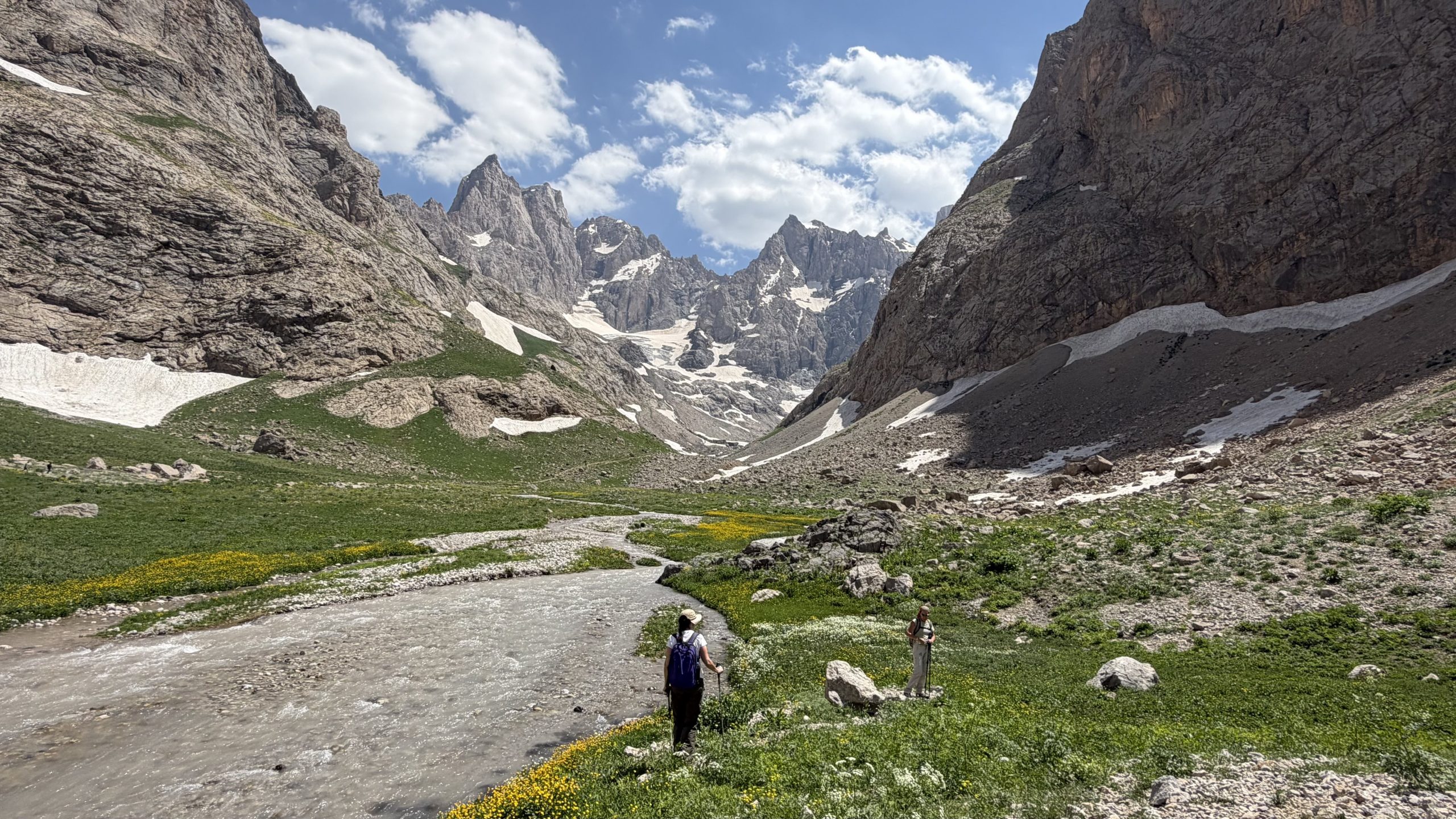
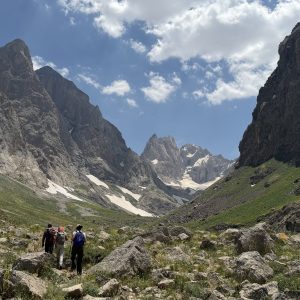
The journey continues into the mountain environments of Hakkari and Yüksekova.
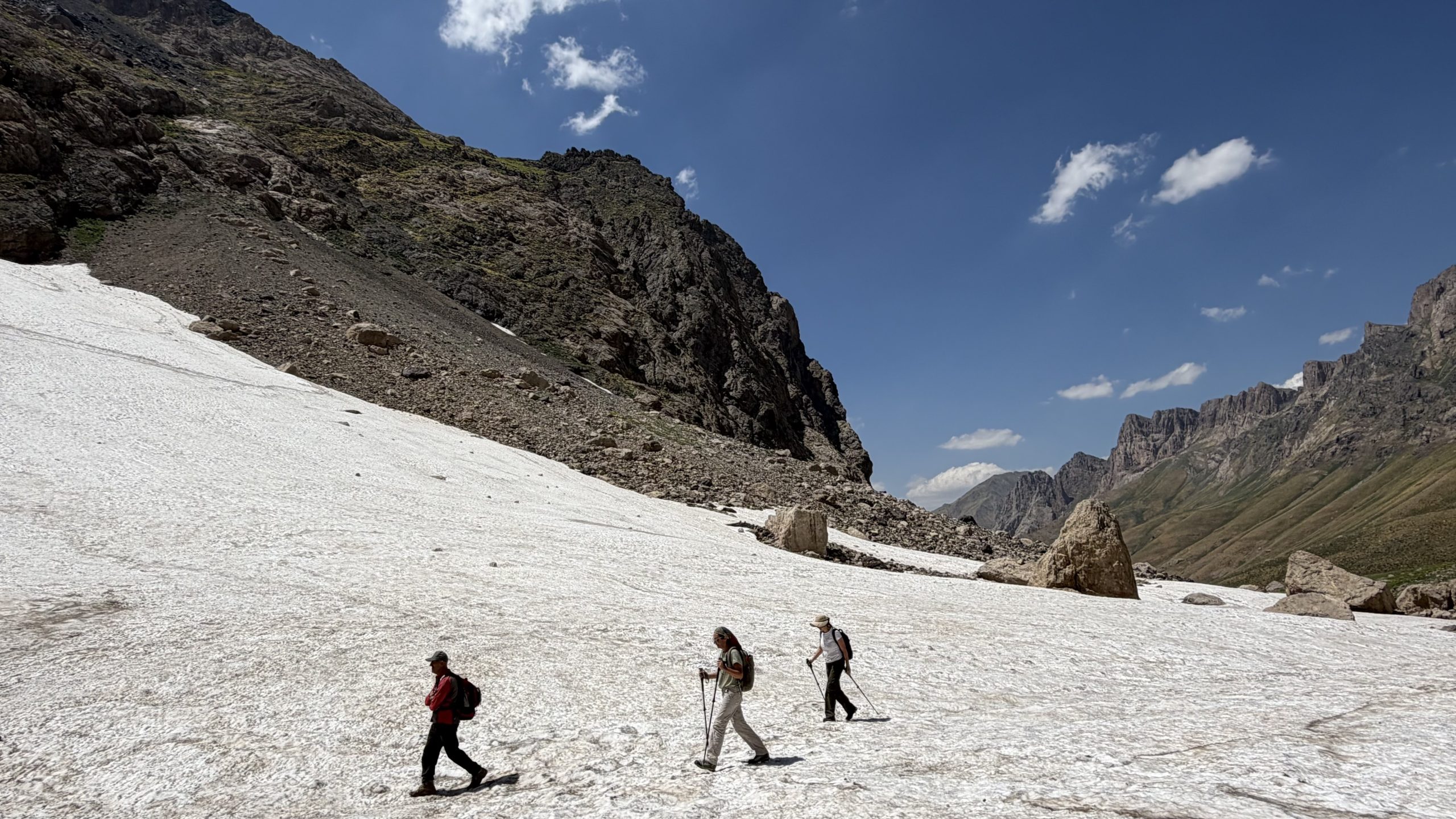
This final part of the main route allows greater attention to altitude, mountain habitats and the changing vegetation associated with Eastern Anatolia’s more remote landscapes.
Our time here is deliberately flexible. The purpose is not to cover kilometres on foot but to reach suitable environments, observe carefully and allow worthwhile botanical stops the time they deserve.
A Botanical Journey, Not a Trekking Tour
You do not need to be a strong hiker to take part in this journey.
Although we spend considerable time outdoors, the programme is primarily based on field observation rather than long-distance walking.
We use vehicle access where practical and make shorter walks and botanical stops according to the terrain and interests of the group.
This makes the journey particularly suitable for botanical societies, academics, naturalists, photographers and mature travellers who want serious time in nature without undertaking a demanding trekking programme.
Botany and Cultural History Together
Plants do not exist independently of landscape or people.
Throughout the journey we also encounter archaeological sites, historic settlements, traditional land use and communities that have adapted to Eastern Anatolia’s geography over centuries.
These cultural elements are not included simply to fill the time between botanical stops. They provide another way of understanding the landscape we are travelling through.
The balance between botany and cultural visits can be adjusted according to the interests of each private group.
For a contrasting botanical journey through the Aegean landscapes of western Anatolia, explore our Western Turkey Botanical Tour, where field botany is combined with the archaeological landscapes of Troy, Pergamon, Ephesus and Ionia.
Private and Tailor-Made
Every Eastern Anatolia botanical tour is organised as a private journey rather than a fixed-departure group tour. The 12-day Kars–Doğubayazıt–Van–Hakkari/Yüksekova route is our recommended framework, but the final programme is shaped around your travel dates, botanical interests, preferred pace and mobility.
A botanical specialist accompanies the group throughout the journey. Groups with particular interests can tell us in advance about plant families, genera, habitats, ecological themes or botanical photography objectives so that these priorities can be considered when planning the field programme.
Three Ways to Explore the Region
Not every traveller has the same amount of time or the same botanical priorities. For this reason, we use three different journey frameworks rather than offering a single rigid itinerary.
12 Days | Botanical & Cultural Eastern Anatolia — Recommended
Kars – Doğubayazıt – Van – Hakkari/Yüksekova
Our main and most complete Eastern Anatolia journey. This option provides more time to experience changing elevations and habitats while combining botanical observation with selected cultural and archaeological landscapes.
This is our recommended starting point for travellers who want to understand Eastern Anatolia as a whole.
8 Days | Eastern Anatolia in Focus
Kars – Doğubayazıt – Van
A concentrated alternative for travellers with less time. The journey retains the combination of botanical observation, high landscapes and cultural heritage while concentrating on northeastern Anatolia, the Mount Ararat region and the Lake Van basin.
It can also work as a specialist botanical extension to a longer journey elsewhere in Türkiye.
12–14 Days | From the Black Sea to Eastern Anatolia
Rize – Artvin/Şavşat – Kars – Doğubayazıt – Van
A broader journey for travellers particularly interested in changing vegetation and habitats. Beginning in the humid landscapes of northeastern Türkiye, the journey progresses through Artvin and Şavşat towards the high plateaus of Kars, the Mount Ararat region and Lake Van.
Rather than simply adding more destinations, this version allows us to observe how landscapes, altitude and vegetation change as we travel from the Black Sea towards Eastern Anatolia. Travellers particularly interested in this geographical transition can also explore our Black Sea journey through northeastern Türkiye.
Who Is This Journey For?
This journey can be designed for:
- Botanists and botanical societies
- Naturalists and plant enthusiasts
- University and academic groups
- Botanical and nature photographers
- Garden and horticultural groups interested in plants in their natural habitats
- Travellers interested in ecology and natural history
- Travellers who want to combine nature with archaeology and cultural history
You do not need to be a professional botanist. What matters is curiosity and a willingness to spend time observing the landscape rather than simply passing through it.
When to Travel | Seasons and Flowering Conditions
The botanical season in Eastern Anatolia is strongly influenced by altitude, snow cover, snowmelt, temperature and rainfall. For this reason, there is no single flowering calendar that applies equally to Kars, Doğubayazıt, Van, Hakkari and Yüksekova.
For a journey covering the complete Kars – Doğubayazıt – Van – Hakkari/Yüksekova route, the main botanical travel period is generally from late spring into summer. Depending on the particular botanical interests of the group, different parts of this period can offer different field conditions.
Late May & June | Spring Moving into the Highlands
Late May and June can be particularly interesting as spring progresses through Eastern Anatolia and vegetation becomes increasingly active across the plateaus and mountain landscapes.
However, the season does not arrive everywhere at the same time. Higher elevations may still retain snow while lower and more exposed areas are already well into their flowering period. In years with prolonged winter conditions, access to some higher mountain habitats may also remain limited.
June & July | A Strong Period for a Wider Eastern Anatolia Journey
June and July are generally the most practical months for designing our complete Eastern Anatolia botanical journey. As snow retreats from progressively higher elevations, botanical observation can move through different altitudinal zones.
This does not mean that every region reaches its botanical peak simultaneously. One of the advantages of travelling across Eastern Anatolia is precisely this variation: while flowering may be advanced in one landscape, higher or colder environments may be at an earlier seasonal stage.
Later Summer | Higher Elevations and a Changing Landscape
As summer progresses, conditions at lower elevations can become drier and the botanical character of the journey changes. Higher mountain environments may remain interesting later than lower areas, but the emphasis of the programme may need to shift according to altitude, habitat and the interests of the group.
For this reason, a later-summer journey should not simply repeat the same field programme used earlier in the season.
Snowmelt Can Shift the Botanical Calendar
Dates alone cannot determine what we will find in the field.
Eastern Anatolia experiences significant differences from year to year. A long winter, late snowfall, persistent snow cover, rapid spring warming or changes in rainfall can move flowering periods earlier or later. Even within the same journey, differences in altitude and exposure can create noticeably different seasonal conditions.
This natural variation is part of botanical travel. Rather than promising a particular species on a particular date, we use the season, recent conditions, altitude and the interests of the group when shaping the field programme.
For groups with particular botanical interests, we recommend discussing travel dates with us before confirming flights. If you are interested in specific plant families, genera, habitats or photography, tell us your priorities and we can consider which travel period is likely to provide the most appropriate starting point for your journey.
For a botanical journey that follows the transition from Mediterranean habitats towards the high mountains of the Western Taurus, explore our Lycia Botanical Tour.
Türkiye’s Remarkable Plant Diversity
Eastern Anatolia forms part of a much larger botanical landscape. According to the 2025 Biodiversity Statistics published by the Republic of Türkiye Ministry of Agriculture and Forestry (link in Turkish), Türkiye has 13,343 seed plant species, including 3,301 endemic species.
Numbers alone are not the reason for this journey. Our interest is in seeing plants within their natural environments and understanding how altitude, geology, climate and human use of the landscape influence the vegetation we encounter.
Photography and Field Observation
Photography can be an important part of a botanical journey.
If botanical, macro or landscape photography is one of your main interests, please tell us before the programme is prepared. This allows us to consider a slower field rhythm where practical.
Natural habitats, protected areas and local regulations must always be respected. Plants should be observed and photographed responsibly without unnecessary disturbance to their habitats.
Accommodation, Transport and Organisation
Accommodation and transport are organised around the geographical requirements of the journey rather than around a standard sightseeing circuit.
Private ground transport allows us to reach different environments and gives the programme the flexibility required for field observation.
The exact accommodation, meals, guiding arrangements, transfers and other included services will be specified clearly in your individual proposal.
Design Your Eastern Anatolia Botanical Tour
You do not need to choose a complete itinerary before contacting us.
Tell us when you would like to travel, how many days you have, the number of participants, your botanical interests and how much walking you are comfortable with.
If particular plant groups, habitats, photography or academic interests are important to you, include them in your enquiry.
We can then recommend whether the 12-day Eastern Anatolia journey, the shorter 8-day version or the extended Black Sea–Eastern Anatolia journey provides the best starting point for your group.
Fill in the enquiry form below, send us a message, or contact us via WhatsApp or e-mail. We will be happy to discuss your interests and begin designing your journey.
Travel services are arranged by Globe Outdoors Travel, TÜRSAB Document No. A-17542. Guiding and specialist services are provided according to the requirements of the confirmed programme.
Be the first to review “Eastern Anatolia Botanical Tour | Flora, Landscapes & Cultural Heritage”
How Does a Botanical Journey Work?
A botanical journey is different from a conventional sightseeing tour.
The destinations and accommodation provide the structure, but our time in the field is influenced by what we encounter. An interesting habitat, unexpected flowering conditions or the particular interests of the group may justify spending longer in one location and less time somewhere else.
This flexibility is one of the reasons we operate the journey privately.
Do I Need Botanical Knowledge?
No. The journey can be adapted to different levels of botanical experience.
Some participants may be professional botanists or experienced plant enthusiasts with very specific interests. Others may simply want to understand the flora and natural landscapes of Eastern Anatolia more deeply.
Please tell us about your level of interest when making your enquiry so that we can plan the appropriate emphasis.
Can Specialist Groups Join?
Yes. Botanical societies, academic groups, natural history organisations, photographers and other specialist groups are welcome.
If your group has a particular research, educational or botanical focus, please explain this when contacting us. Specialist requirements can then be considered during the planning stage.
Can We Look for Particular Plants?
Yes. You are welcome to send us a list of plant families, genera, species or habitats that particularly interest you.
We can consider these interests when designing the journey and assessing the most appropriate regions and timing.
However, flowering and plant conditions depend on natural factors, and the presence or flowering state of an individual species cannot be guaranteed.
How Much Walking Is Involved?
This is not designed as a long-distance hiking programme.
Most botanical exploration is based around vehicle-supported field visits and shorter walks. Some natural locations may involve uneven ground, slopes or walking away from the vehicle.
Tell us about any mobility limitations before the programme is confirmed. The journey can then be planned with an appropriate level of walking wherever practical.
Can We Spend Longer at an Interesting Location?
Yes. This is an important part of the way the journey works.
A habitat originally considered a short stop may become one of the most interesting observations of the day. Private travel allows us to respond to this rather than following a rigid sightseeing timetable.
Can Botany Be Combined with Archaeology and Culture?
Yes. Cultural history is deliberately part of this journey.
Eastern Anatolia contains archaeological landscapes, historic settlements and living cultural traditions that help explain how people have interacted with this geography over time.
The balance can be adjusted. A specialist botanical group may prefer more field time, while another private group may want a stronger combination of botany, archaeology and cultural history.
When Should We Travel?
When Should We Travel?
For the complete Eastern Anatolia journey, June and July are generally the most practical starting point, while late May or later summer may be appropriate for particular regions and botanical interests.
Do not choose your dates solely from a general flowering calendar. Snow cover, snowmelt, altitude and seasonal weather can shift flowering conditions from year to year.
If particular plants, habitats or botanical photography are important to you, contact us before confirming your travel dates. We can discuss which period is likely to be more appropriate for the journey you have in mind.
Guidelines & Important Notes
Private Journey & Group Size
This programme is designed as a private botanical and cultural journey. Group size, specialist requirements and guiding arrangements will be agreed before confirmation.
Final Programme
The regions and journey descriptions shown on this page provide a framework rather than a guaranteed day-by-day field schedule.
The final programme may vary according to travel dates, botanical priorities, accommodation availability, weather, road conditions, access and other operational considerations.
Your confirmed written proposal takes precedence over the general information published on this page.
Plants & Flowering Conditions
Plants are part of a living natural environment. Flowering periods can vary according to altitude, snowmelt, rainfall, temperature and other seasonal conditions.
References to botanical interests or particular habitats do not constitute a guarantee that an individual species will be present or flowering during the journey.
Responsible Botanical Observation
Natural habitats must be treated with care.
Participants should avoid unnecessary disturbance to plants and surrounding vegetation. Collection of plant material is not part of the standard programme and may be prohibited or require specific official permission.
Protected Areas & Access
Some natural environments may be protected or subject to seasonal, environmental or local access restrictions.
Instructions from relevant authorities, local management and the guiding team must be respected.
Photography
Botanical and landscape photography is welcome.
If photography is a major purpose of your journey, please tell us in advance. Professional or commercial photography may be subject to additional regulations or permissions in some locations.
Walking & Field Conditions
This is not a trekking expedition, but botanical observation takes place outdoors and may involve uneven natural surfaces, slopes, grassland, rocky terrain or short walks away from vehicle access.
Please inform us before booking of any mobility considerations that could affect participation.
Weather & Route Changes
Weather in mountain and high-altitude environments can change quickly.
For safety, access or botanical reasons, the guide and organiser may adjust the timing, order or location of field visits while maintaining the overall character of the journey.
Clothing & Equipment
An equipment recommendation will be provided according to the season and final route.
Participants should be prepared for outdoor observation and changing weather conditions and should bring their own personal photographic, optical or specialist equipment unless otherwise agreed.
Health & Personal Responsibility
Participants are responsible for considering whether the programme is suitable for their health and mobility.
Please inform us before travel of relevant medical, dietary or mobility requirements that may affect the organisation of the journey.
Accommodation & Meals
Accommodation and meal arrangements depend on the final route and will be specified in your confirmed proposal.
Please inform us in advance about allergies or dietary requirements.
Arrival, Departure & Transfers
Arrival and departure arrangements and all transfers included in the journey will be specified in your individual proposal.
Additional services requested outside the confirmed programme may involve an additional charge.
Booking, Deposit & Cancellation
Payment schedules, deposits, cancellation conditions and refund terms will be provided with your booking proposal and governed by the conditions applicable to your confirmed journey.
Professional Organisation & Guiding
The journey is arranged by Globe Outdoors Travel, TÜRSAB Document No. A-17542. Professional guiding and specialist botanical services are arranged according to the requirements of the confirmed journey.


Reviews
There are no reviews yet.