
Ephesus Walking & Archaeology Tour | Guided & Self-Guided
Explore Ephesus and the landscapes of ancient Ionia on an Ephesus walking tour combining archaeology with selected hikes around Selçuk, Şirince and the surrounding countryside. Extend the journey to Priene, Miletus, Didyma and Magnesia according to your available time and interests.
Use our draft itinerary as a starting point and let us tailor the journey to your available number of days, archaeological interests and preferred walking level.


- Description
- Program
- Guidelines and Notes
- Form
Description
Ephesus Walking Tour – Archaeology & Ancient Ionia
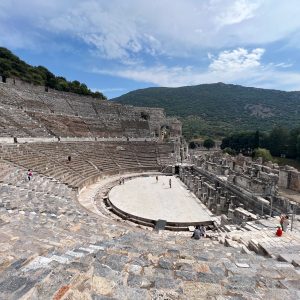
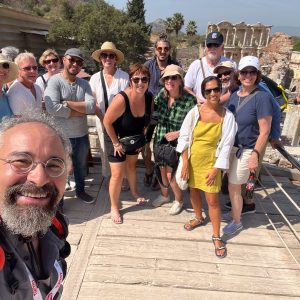
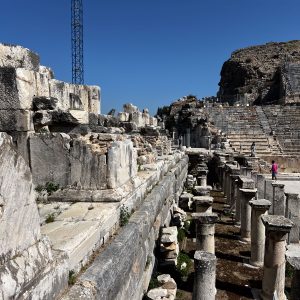
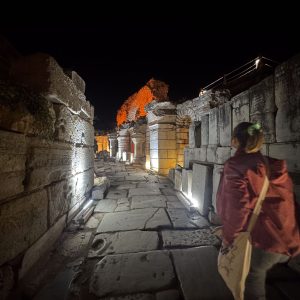
Explore one of the most important archaeological landscapes of western Turkey on an Ephesus walking tour. The journey combines the ancient city with selected hikes, surrounding archaeological sites and the landscapes of ancient Ionia.
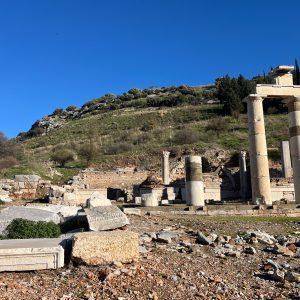
This journey places Ephesus within its wider geographical and historical setting rather than treating it as a single archaeological stop. Depending on the programme, we can combine Ephesus, Şirince, the Temple of Artemis, Ayasuluk Hill, Priene, Miletus, Didyma, Magnesia and the House of the Virgin Mary. Selected walks take us through the surrounding hills and countryside.
The result is a journey that connects archaeology with landscape. Some days concentrate on ancient cities and museums. Others use walking routes to connect places, viewpoints and the geography that shaped ancient Ionia.
A Draft & Tailor-Made Ephesus Walking Tour
The itinerary shown on this page is a draft programme and planning framework, not a fixed package that every traveller must follow.
We can shorten, extend or reorganise your journey according to your available number of days, travel dates, archaeological interests and preferred walking level.
A shorter itinerary can concentrate on Ephesus, Selçuk and Şirince. With additional days, we can include Priene, Miletus, Didyma and Magnesia. We can also add longer walks or continue towards other archaeological landscapes of western Turkey.
Tell us how many days you have and what interests you most. We can then design the programme around your available time rather than asking you to adapt your journey to a fixed itinerary.
Ephesus – More Than an Ancient City
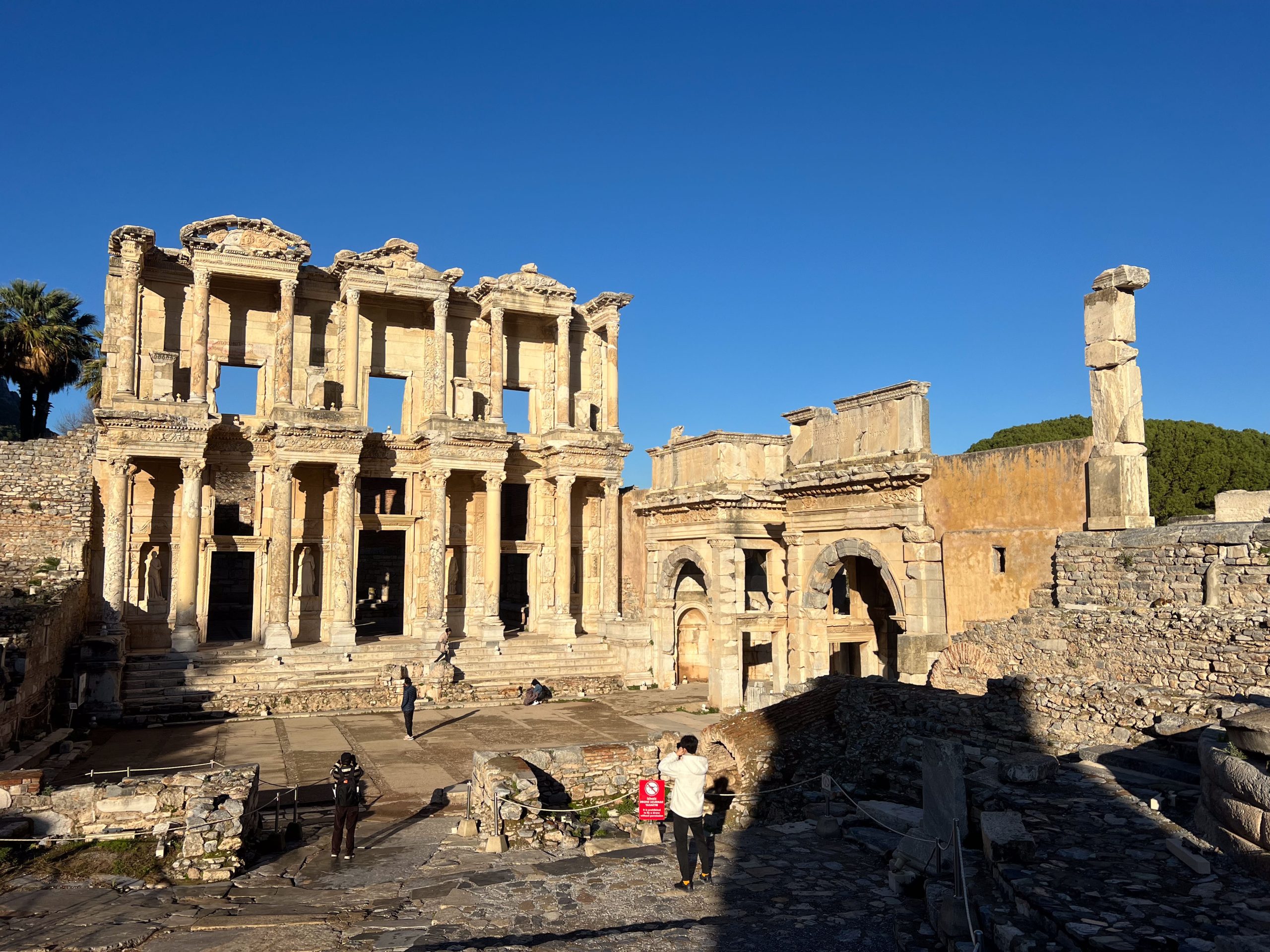
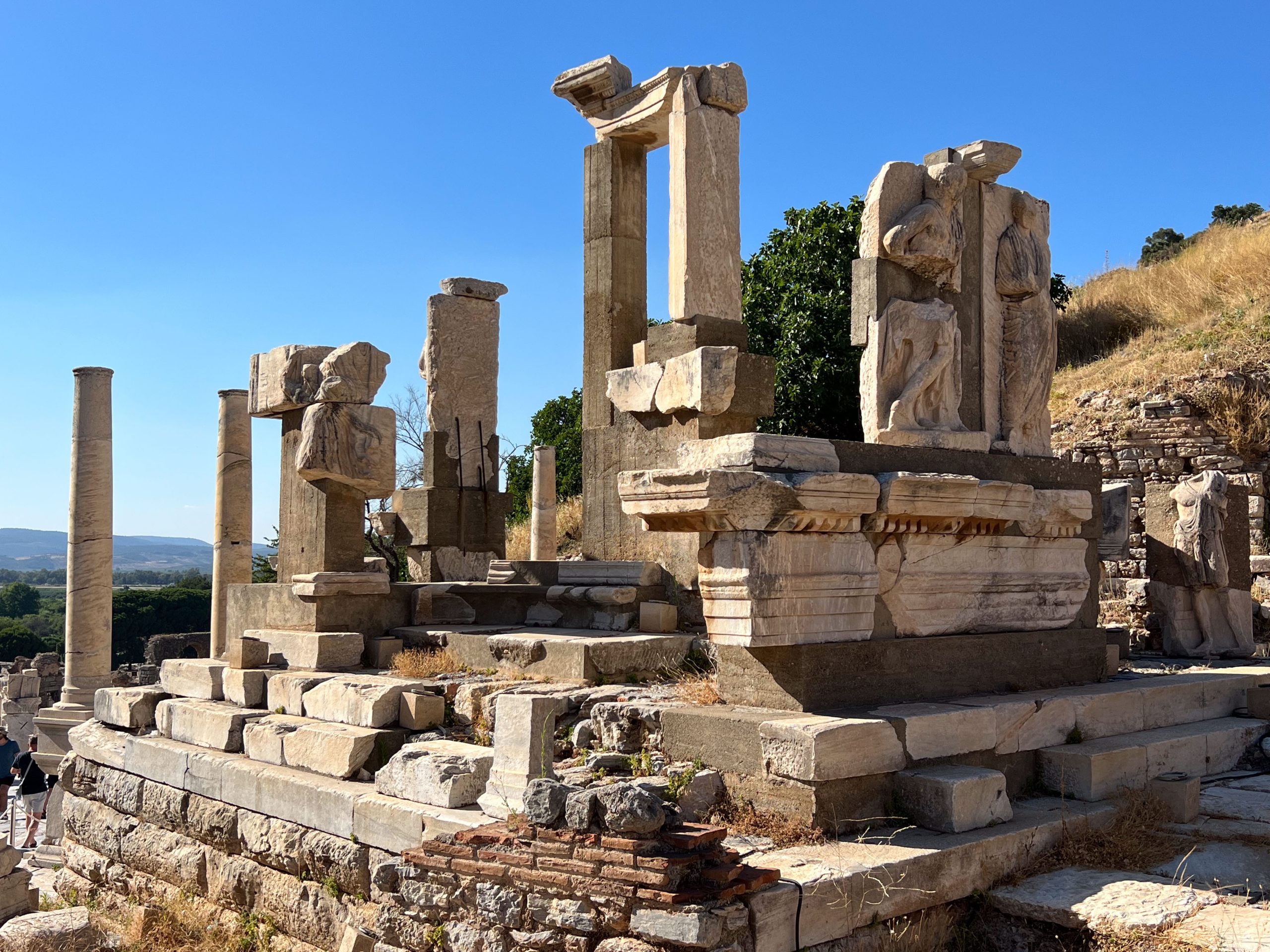
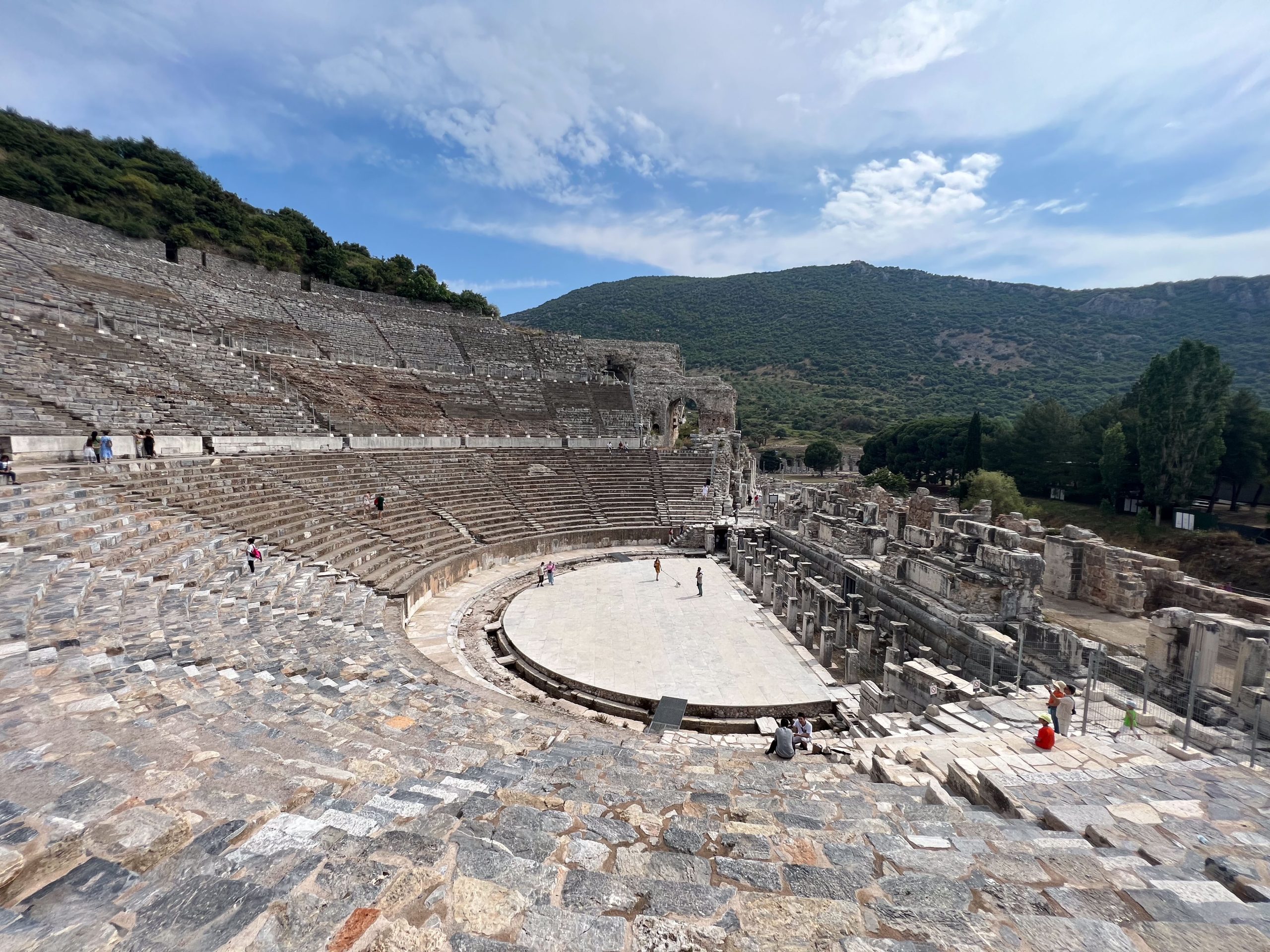
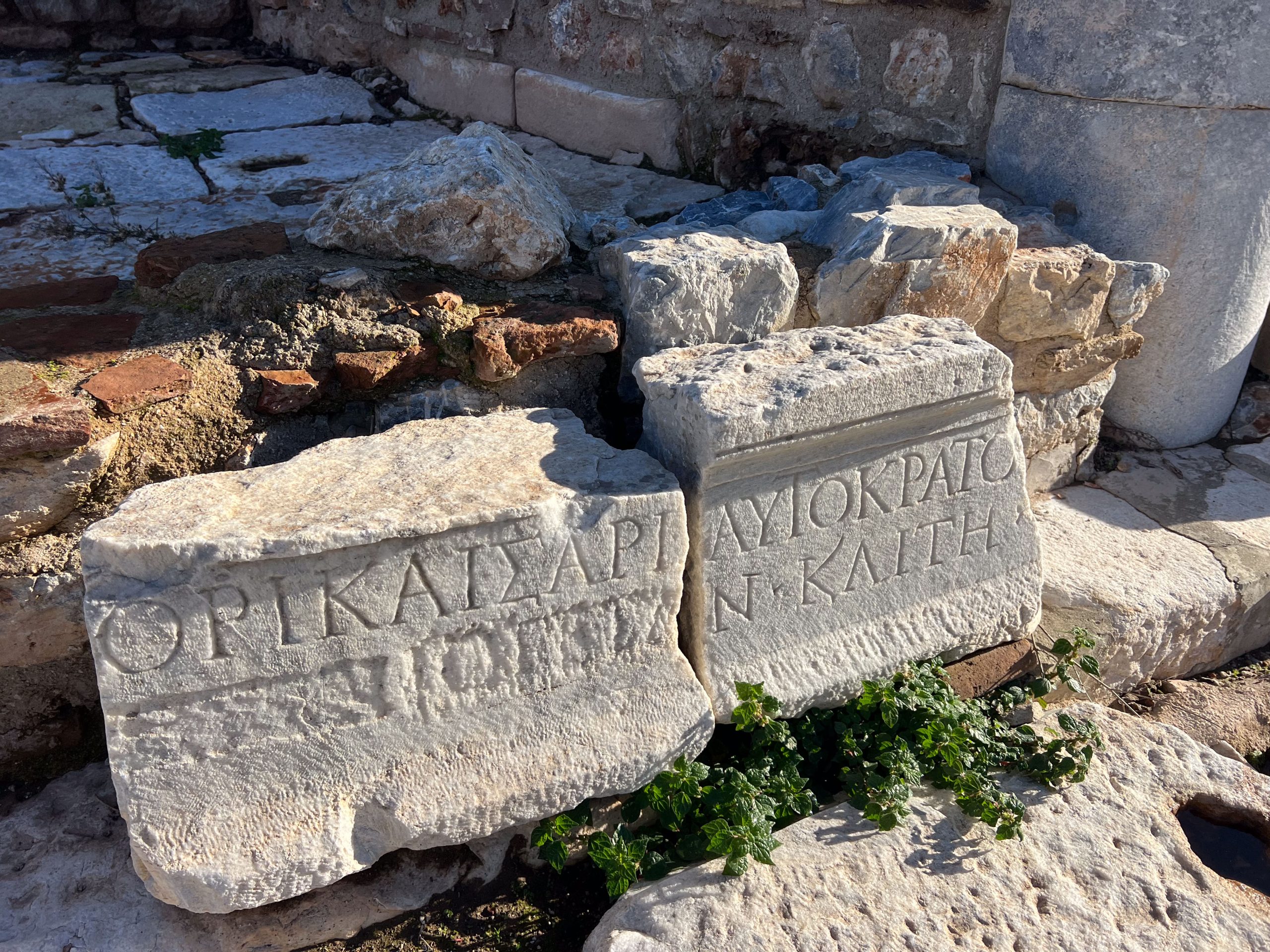
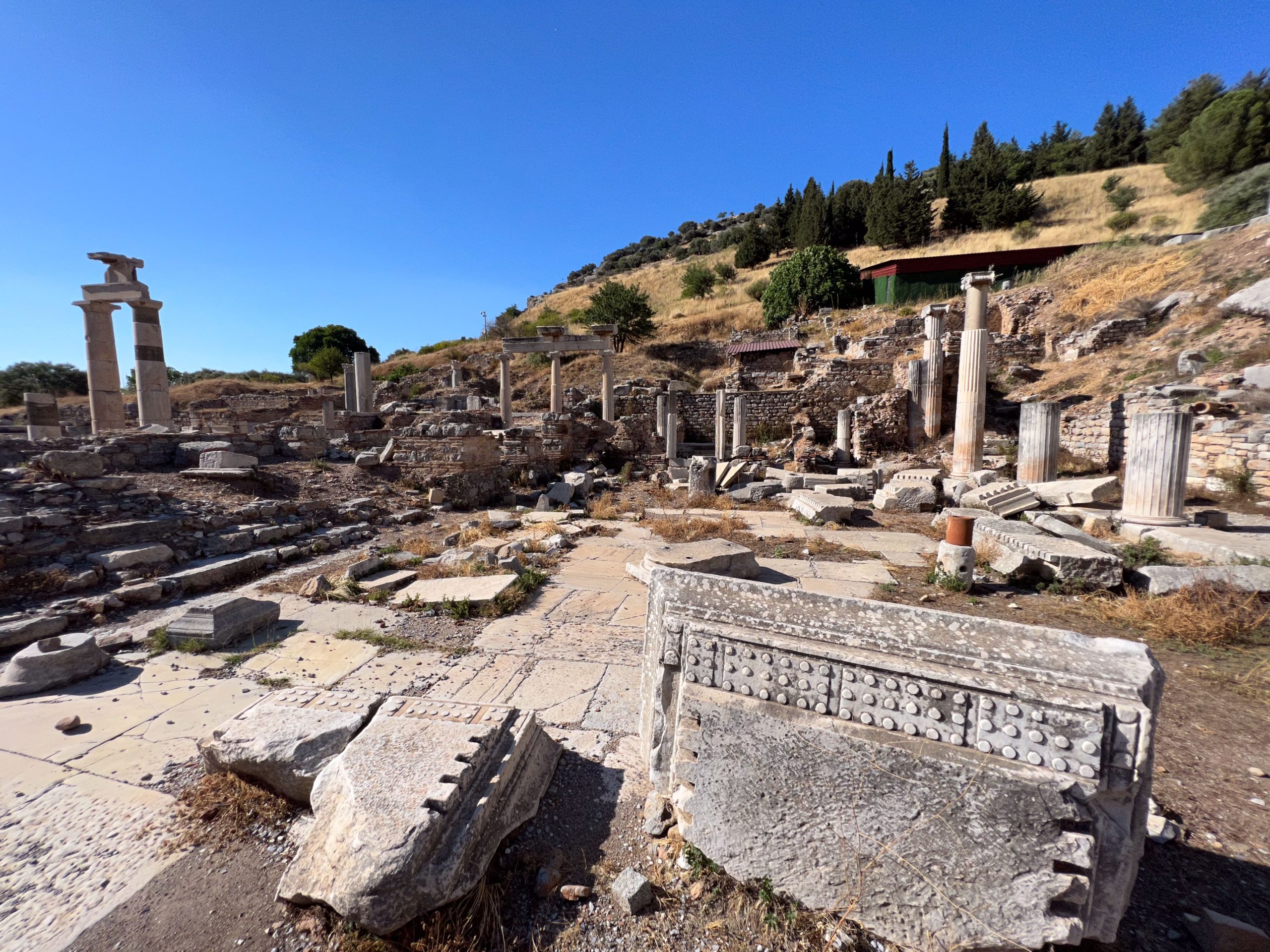
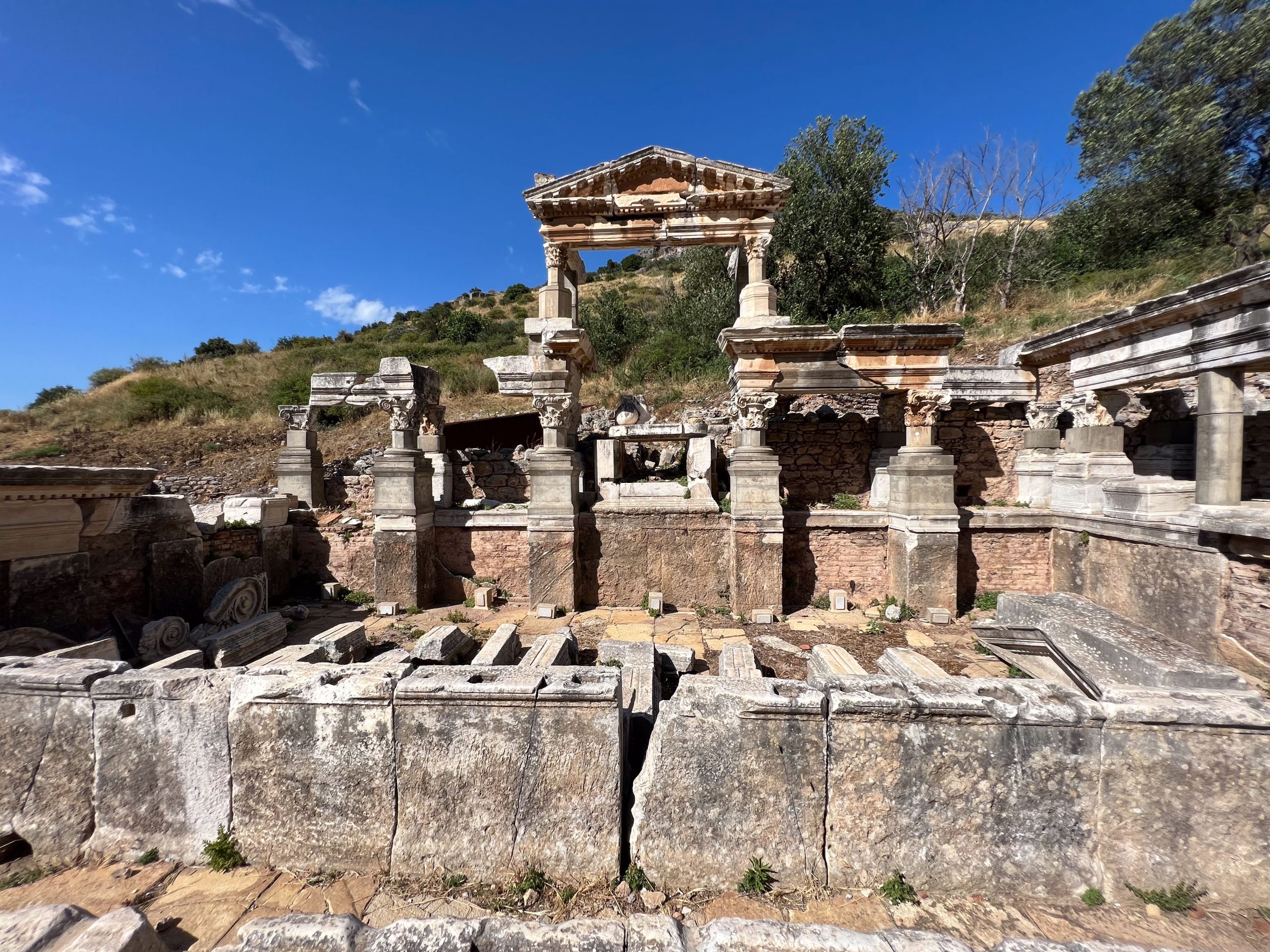
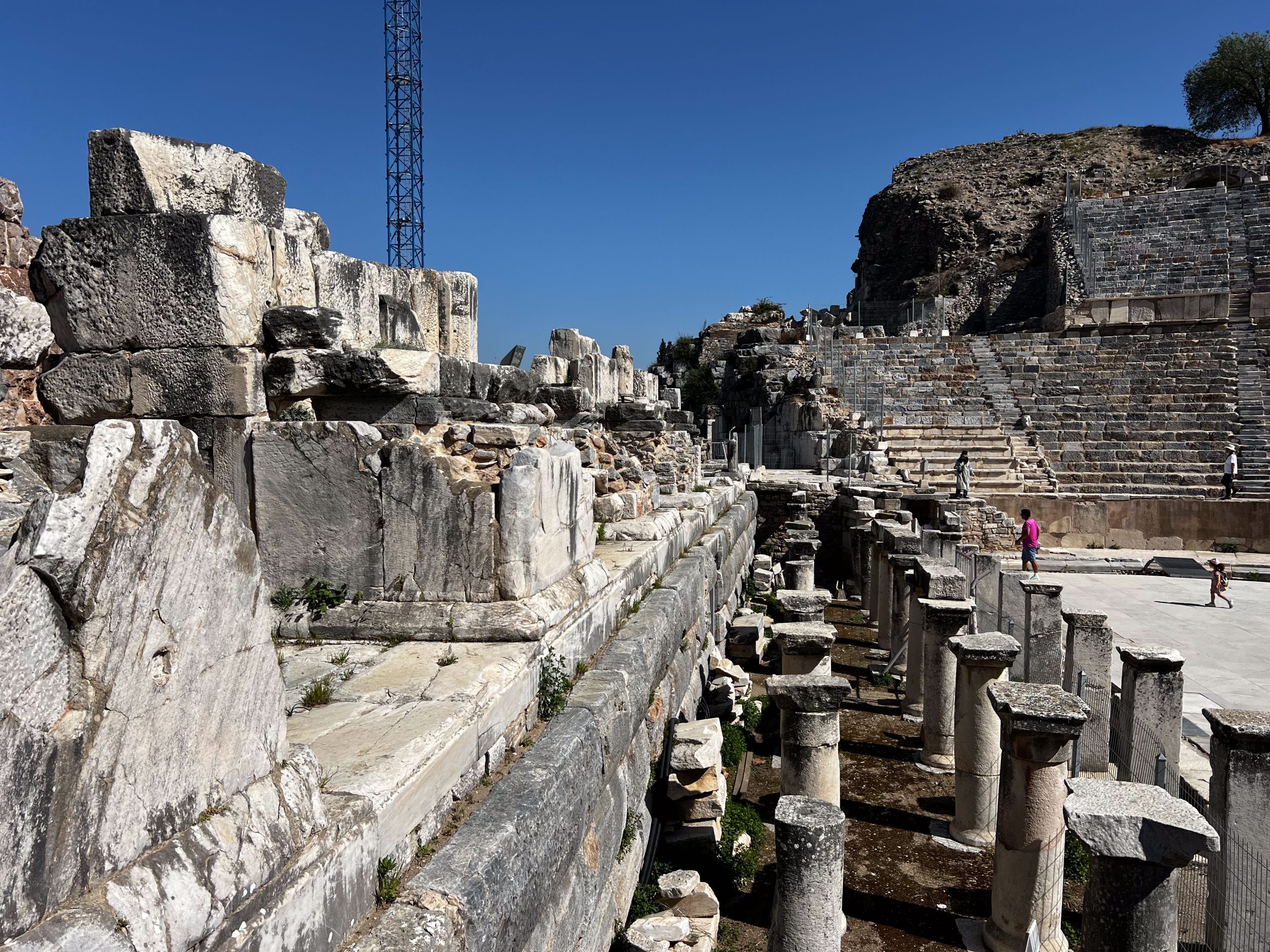
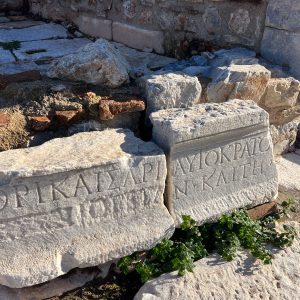
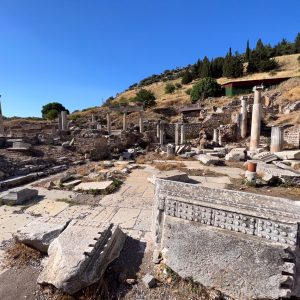
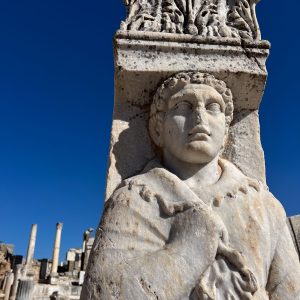
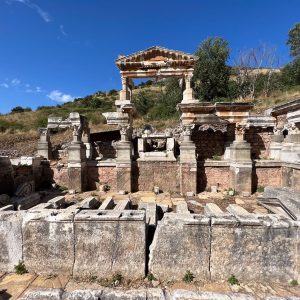
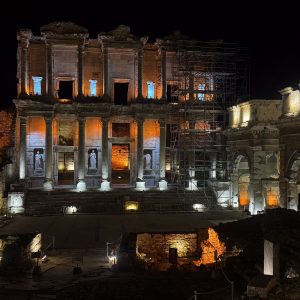
Ephesus preserves an unusually rich sequence of archaeological and historical landscapes. The UNESCO World Heritage property contains evidence from several major periods. These range from ancient settlement and the sanctuary of Artemis to the Hellenistic and Roman city, early Christian monuments and later settlement around Ayasuluk.
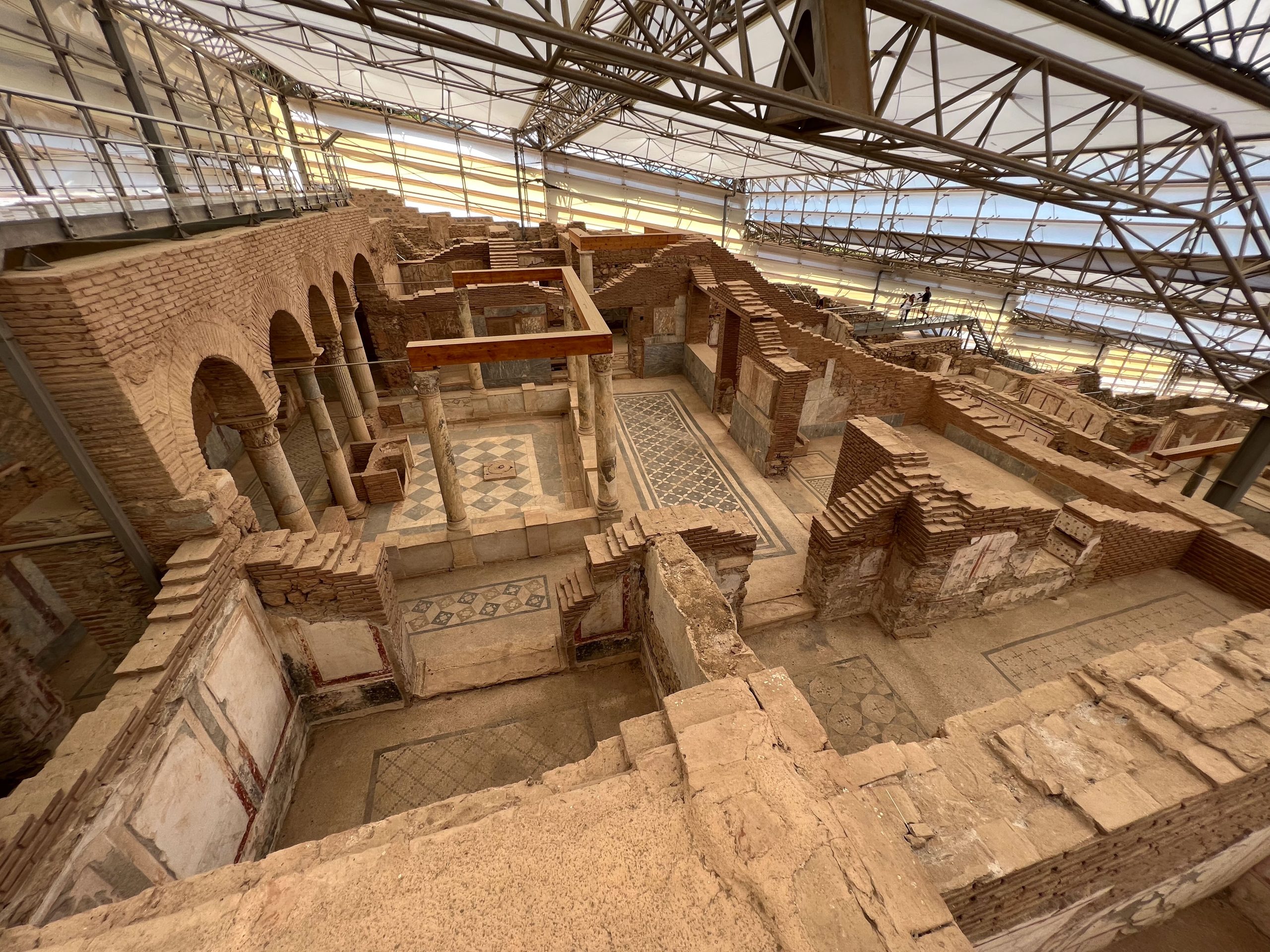
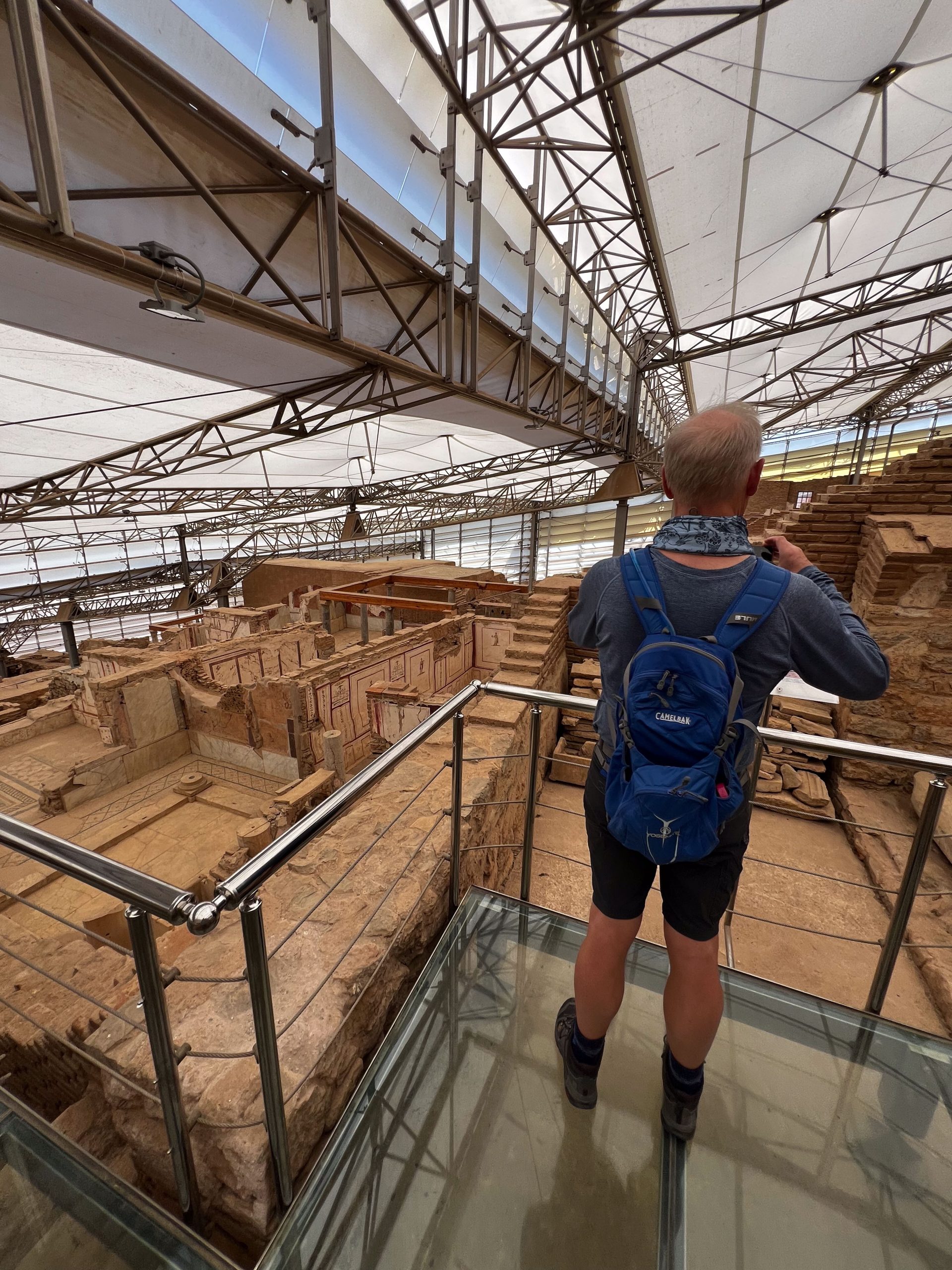
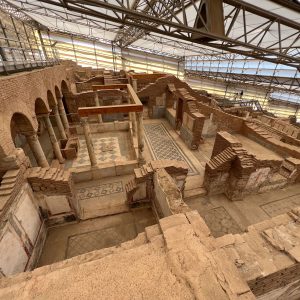
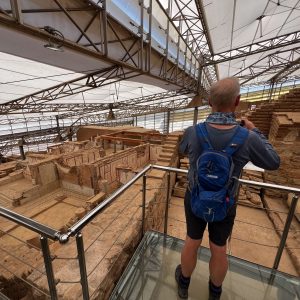
Within the Roman city, monumental streets and public buildings stand alongside places such as the Terrace Houses. Their mosaics, wall paintings and architectural remains provide a more detailed picture of elite urban life.
For us, however, Ephesus does not end at the archaeological site’s exit gate. The surrounding hills, old routes, changing coastline and nearby settlements form part of the story.
Walking Above Ephesus & Bülbül Mountain
Where access and local conditions allow, the programme can include walking in the landscape around Bülbül Mountain. This provides a very different perspective on Ephesus and the geography surrounding the ancient city.
This is one of the features that distinguishes the programme from a conventional Ephesus sightseeing tour. We combine archaeological interpretation inside the ancient city with time on foot in the surrounding landscape.
The exact walking route depends on access, trail conditions, season and the final itinerary.
Şirince & the Rural Landscape of Selçuk
The hills around Şirince introduce another side of the region. We can incorporate the village and surrounding countryside into a walking stage towards Çamlık. We can also adapt the route according to the group’s interests and walking level.
Here the emphasis shifts from monumental archaeology to rural landscape, settlement history, agriculture and contemporary life.
Local food and wine may also form part of the programme where appropriate and available. Specific tastings or meals depend on the confirmed itinerary.
If you are interested in exploring this landscape on foot, read more about hiking between Ephesus, Şirince and the final stages of the Efeler Trail, where village paths and the countryside around Selçuk become part of the journey.
Artemis, St John & the Religious Landscape of Ephesus
The wider Ephesus landscape also reveals major changes in religious history.
The Temple of Artemis was one of the great sanctuaries of the ancient Mediterranean. Ancient writers counted it among the Seven Wonders of the Ancient World. Later, Ephesus became an important centre of early Christianity. Sites including the Basilica of St John and the Christian monuments of Ephesus reflect this later history.
The House of the Virgin Mary remains a place of pilgrimage today. Depending on the itinerary, we can approach it as part of a walking day or visit it with vehicle support.
Priene, Miletus & Didyma – Ancient Ionia Beyond Ephesus
An extended Ephesus walking tour can move beyond Selçuk to explore three important archaeological landscapes of the ancient Aegean.
Priene
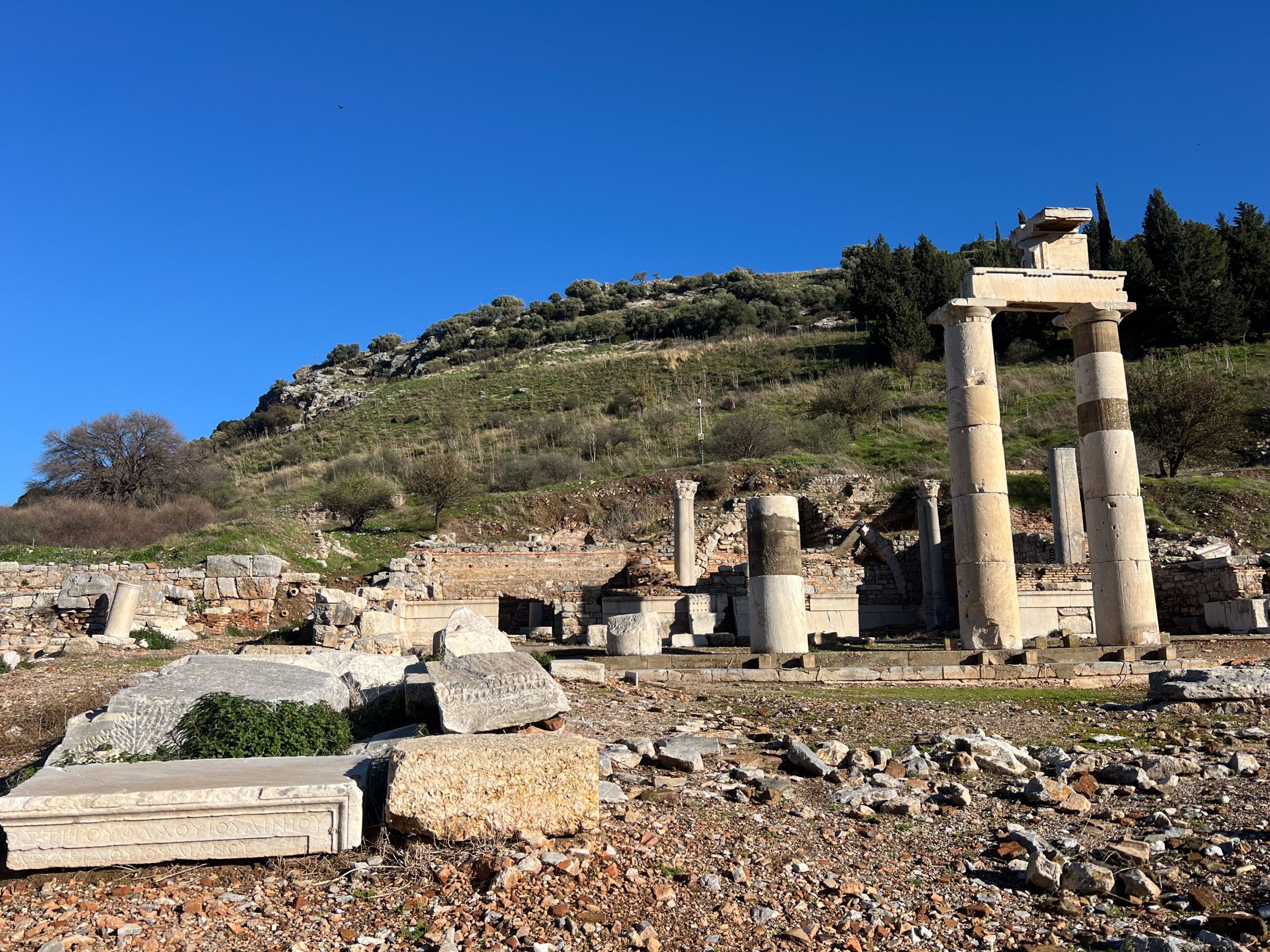
Priene offers an especially clear opportunity to examine ancient urban planning and architecture. It also demonstrates the relationship between a city and its mountainous setting. Its position above the former Maeander landscape makes geography an important part of understanding the site.
Miletus
Miletus was one of the major cities of ancient Ionia. It played an important role in trade, intellectual life and the wider Mediterranean world. Its archaeological remains also help us understand how the coastline and river landscape changed over time.
Didyma
At Didyma, the monumental Temple of Apollo introduces the religious and oracular landscape associated with Miletus. Visiting these sites together takes us beyond isolated monuments. We can explore the connections between city, sanctuary and geography.
Magnesia & the Maeander Landscape
Depending on available time, Magnesia on the Maeander can add another archaeological layer to the journey.
We can include smaller or less frequently visited archaeological sites alongside Ephesus. This helps us build a more complete picture of western Anatolia rather than concentrating only on its most famous monuments.
Guided or Self-Guided Ephesus Walking Tour
We can organise walking elements of the programme in guided or, where appropriate, self-guided formats.
For itineraries with a strong archaeological component, however, we generally recommend a guided programme. Professional guiding helps place Ephesus, Priene, Miletus and Didyma within a wider context. Together, we can explore their chronology, archaeology, geography and historical relationships.
A tailor-made itinerary can also combine professionally guided archaeological days with more independent walking where this suits the route and the traveller.
Walking Conditions on Your Ephesus Walking Tour
This programme can include archaeological-site walking as well as longer countryside stages. Depending on the selected route, you may encounter forest tracks, rural paths, rocky surfaces, slopes and uneven archaeological ground.
The example itinerary includes walks of approximately 14 km, but these distances are not compulsory. We can shorten the walking stages, add vehicle support or design a programme focused more strongly on archaeology.
Best Season for an Ephesus Walking Tour
Spring and autumn are particularly suitable for combining archaeology with longer walks. Winter can also work well for some itineraries, depending on weather and local conditions.
Summer requires a different approach because of heat and exposure. We may adjust departure times, walking distances and the balance between outdoor routes and archaeological visits accordingly.
We cannot guarantee weather or temperatures in any season.
Combine Ephesus with a Western Turkey Archaeology Tour
Ephesus can form one part of a much broader exploration of western Anatolia.
Our Western Turkey Archaeology Tour connects archaeological landscapes including Ephesus with other major ancient centres of western Turkey.
This is a good option if you have more time. It places ancient Ionia within the wider history and archaeology of western Anatolia.
Continue from Ephesus to the Carian Trail
Travellers who want to continue walking south can combine Ephesus and ancient Ionia with sections of the Carian Trail.
The transition works particularly well for a journey combining archaeology with longer coastal and rural walks through southwestern Turkey.
Continue towards the Lycian Way
For a longer walking journey through southwestern Turkey, the programme can continue towards the Lycian Way.
This creates a journey through several distinct ancient landscapes. It can begin with Ionia around Ephesus, continue through Caria and eventually reach Lycia. Along the way, the emphasis gradually shifts from archaeological exploration towards longer-distance walking.
Private & Tailor-Made Ephesus Walking Tours
This programme works particularly well as a private journey. We can change the balance between archaeology, walking and local experiences considerably.
You may want two days concentrating on Ephesus and Selçuk. Several days allow us to combine Ephesus with the ancient cities of Ionia. A longer journey can continue towards the Carian Trail, Pamukkale and Aphrodisias, Pergamon and Troy, or the Lycian Way.
We design the final itinerary around your available number of days, proposed travel dates, group size, archaeological interests and preferred walking level.
Who Is This Ephesus Walking Tour For?
This journey is particularly suitable for travellers interested in archaeology, ancient history and walking. It also explores cultural landscapes, early Christianity and the relationship between ancient cities and their geography.
You do not need to complete every longer walking stage. We can create a more archaeology-focused programme with shorter walks. We can also design a more active itinerary for travellers who want to spend more time on foot.
Accommodation on Your Ephesus Walking Tour
Depending on the confirmed itinerary, we use suitable hotels, guesthouses and smaller locally operated accommodation. These may be around Selçuk, Şirince and other programme locations.
Your confirmed proposal will specify the accommodation and meal arrangements included in the journey.
What We Offer on Our Ephesus Walking Tour
- Tailor-made planning: We can adjust the number of days and route according to your available time and interests.
- Professional guiding: Archaeological and historical interpretation throughout the confirmed guided programme.
- Selected walks: Walking routes chosen according to season, local conditions and preferred activity level.
- Ancient Ionia: Combine Ephesus with Priene, Miletus, Didyma, Magnesia and other archaeological landscapes.
- Local experiences: Opportunities to discover regional food, villages and contemporary life where appropriate.
- Travel logistics: Regional transfers and organisation according to the confirmed itinerary.
- Longer combinations: Continue towards the Carian Trail, Lycian Way or a wider Western Turkey archaeology journey.
Offered Inclusions
Your final proposal will confirm exactly what we include. Depending on the itinerary, services may include:
- Accommodation according to the confirmed programme
- Breakfast and dinner where specified
- Lunch or picnic meals where specified
- Main transfers during the programme
- Airport transfers included in the confirmed itinerary
- Professional guiding services
- Walking-route and travel organisation
Exclusions
Unless specifically included in your confirmed proposal:
- International and domestic flights
- Museum and archaeological-site entrance fees
- Transfers outside the confirmed itinerary
- Personal expenses
- Drinks and additional meals not included in the programme
- Optional activities and additional services
Tell Us About Your Ephesus Travel Plans
Please tell us your available number of days, proposed dates, number of participants and preferred walking level. Please also tell us about your main interests. These might include archaeology, longer walks, ancient history, food and wine, early Christianity or a combination of these themes.
You do not need to design the route yourself. The itinerary published here is a draft and starting point. Tell us how much time you have and what you want to experience. We can then suggest the most suitable combination of Ephesus, ancient Ionia and the surrounding walking landscapes.
Professional Guiding & Travel Organisation
Professional guides lead our guided Ephesus and ancient Ionia programmes. Globe Outdoors Travel, a TÜRSAB-certified travel agency (Document No. A-17542), organises the applicable accommodation, transfers and travel arrangements.
Ephesus Walking Tour – 4-Day Draft Programme
This is a draft programme and planning framework. You can shorten, extend or reorganise it according to your available number of days, proposed travel dates, archaeological interests and preferred walking level.
The example below combines archaeological visits with countryside walks around Ephesus, Şirince, Çamlık and the wider landscape of ancient Ionia. The walking distances are examples rather than compulsory stages. We can shorten individual walks, add vehicle support or create a programme with a stronger archaeological focus and less walking.
For programmes that include major archaeological sites, we generally recommend travelling with a professional guide. Professional guiding helps place Ephesus and the ancient cities of Ionia within a wider context. Together, we can explore their archaeology, history and surrounding geography.
Please tell us your available number of days, proposed travel dates, number of participants and preferred walking level when requesting your programme.
Day 1 – Arrival in İzmir, Ephesus & Bülbül Mountain Walk
The journey begins at İzmir Adnan Menderes Airport. After meeting, we transfer to Selçuk and begin our exploration of Ephesus.
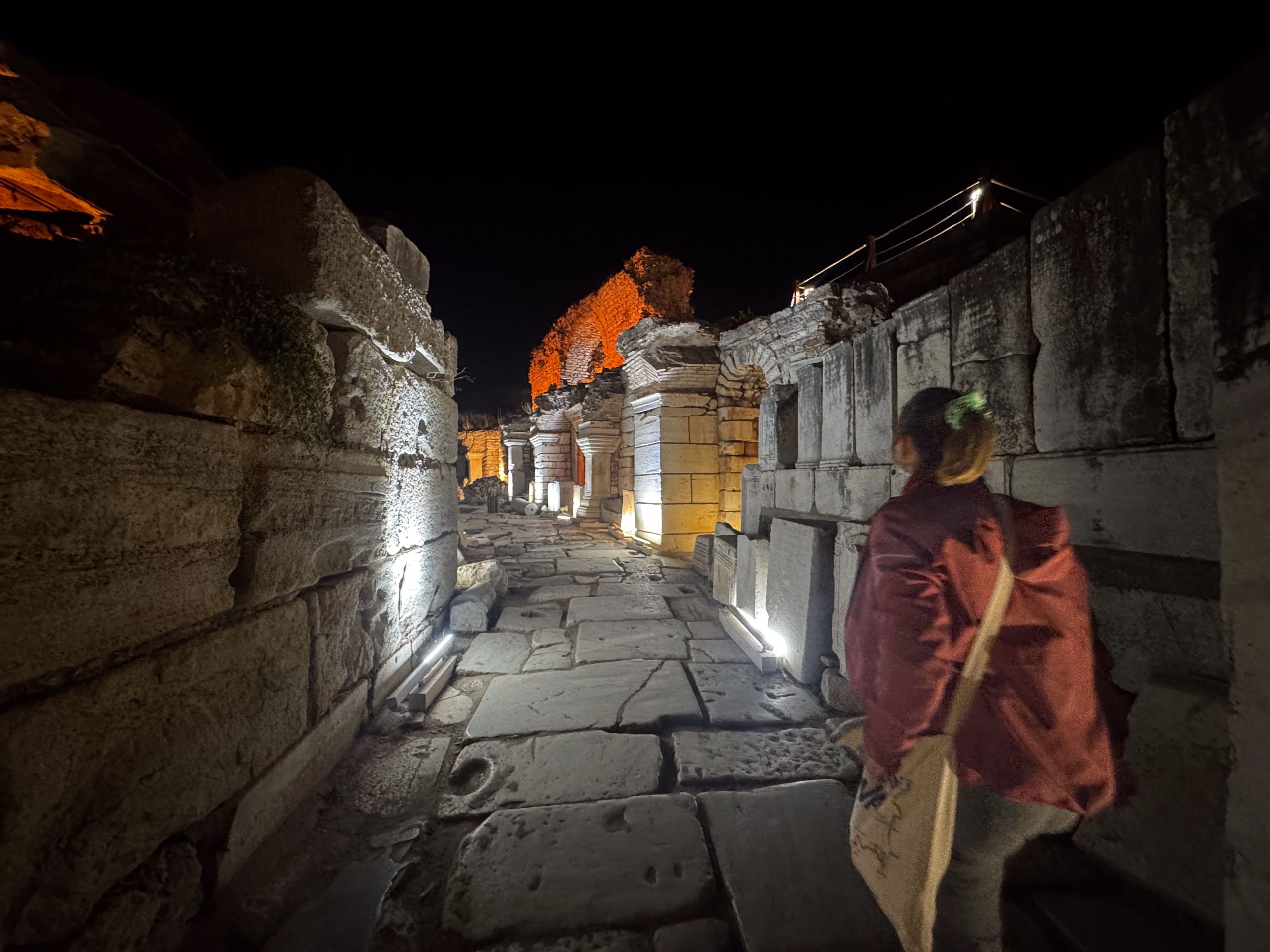
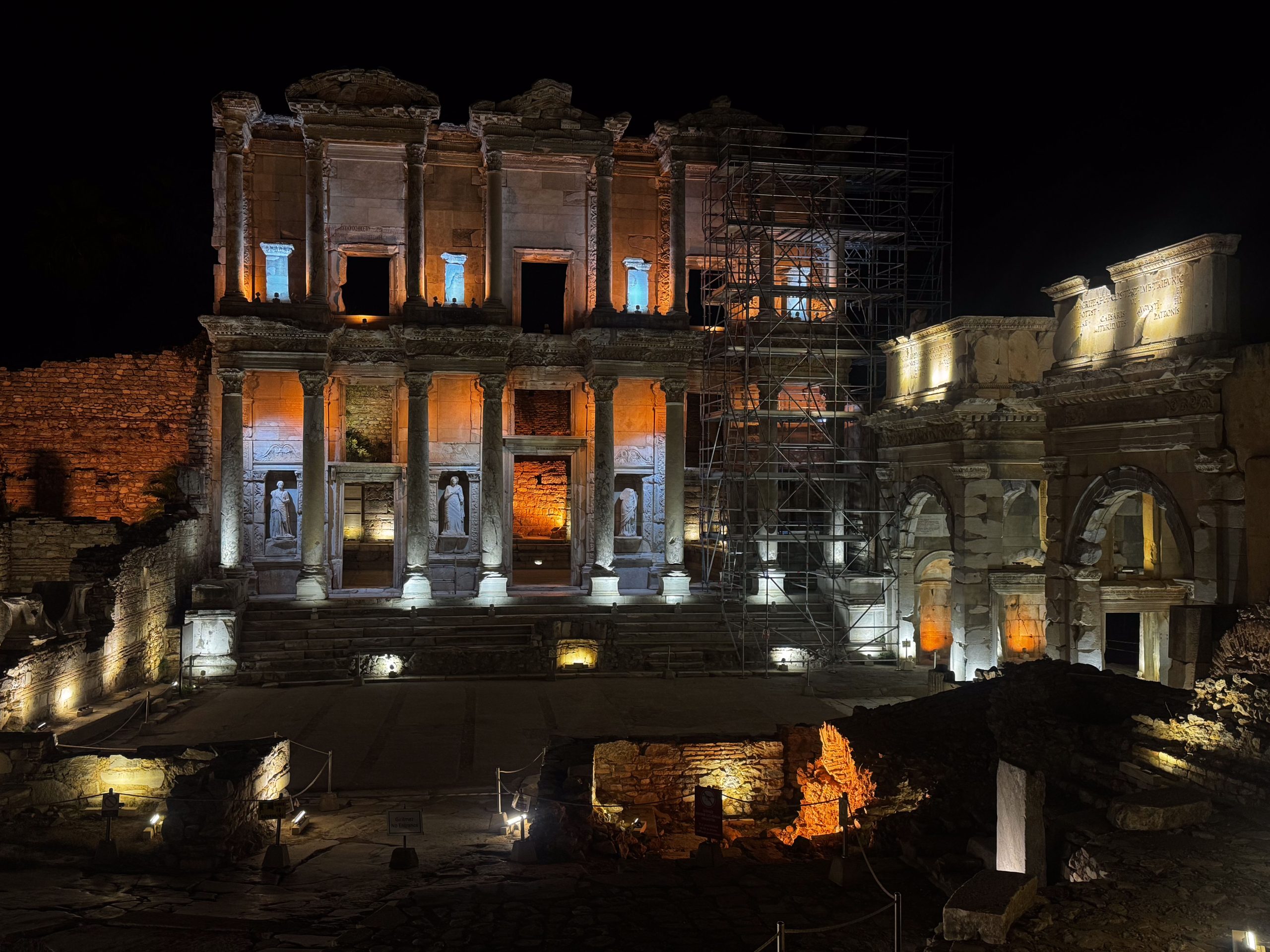
Walking through the ancient city allows us to examine its streets, public buildings and monuments. Together, they reveal the development of one of the major cities of the ancient Mediterranean. We also visit the Terrace Houses. Their surviving architecture, mosaics and wall paintings provide a closer look at elite domestic life during the Roman period.
Where available and appropriate to the day’s schedule, the programme may also include the Ephesus Experience Museum.
After the main archaeological visit, we continue into the landscape around Bülbül Mountain. Where access and trail conditions allow, we follow a walking route above Ephesus. This provides a very different perspective over the ancient city and the surrounding geographical landscape.
The exact route and distance depend on access, season, weather and the arrival time of the group. We then continue to Selçuk for dinner and overnight accommodation.
Day 2 – Şirince to Çamlık Walk, Artemis, Ephesus Museum & St John – Approx. 14 km
After breakfast, we travel to Şirince and begin a countryside walk towards Çamlık. The route takes us away from the major archaeological sites and into the rural landscape surrounding Selçuk.
The example walking stage is approximately 14 km and follows a mixture of rural and forest tracks. We can adjust the route and distance to suit the group’s preferred walking level. Season and trail conditions also influence the final route.
After completing the walk and having lunch, we return to the archaeological landscape of Selçuk. Our visits can include the Temple of Artemis, the Ephesus Archaeological Museum and the Basilica of St John.
Together, these sites allow us to look beyond the Roman city of Ephesus. We explore a much longer religious and cultural chronology, from the sanctuary of Artemis to the development of early Christianity in the region.
Depending on the confirmed programme and local arrangements, the evening may include dinner in Şirince. There may also be an opportunity to discover regional food and local wine. We will confirm specific tastings and venues as part of the final itinerary.
Day 3 – Priene, Miletus & Didyma – Ancient Ionia
Today is dedicated to the wider archaeological landscape of ancient Ionia. Rather than concentrating on Ephesus alone, we explore three important sites. Each reveals different aspects of urban life, religion, architecture and geography in the ancient Aegean.
At Priene, the preserved urban layout and its position beneath Mount Mycale provide an opportunity to examine ancient city planning. The site also illustrates the relationship between an ancient city and its surrounding landscape.
We continue to Miletus, one of the major cities of ancient Ionia. Its archaeological remains help us understand the city’s history and development. Its changing geographical setting also reveals its relationship with the Maeander landscape and the ancient Aegean coastline.
At Didyma, we visit the monumental Temple of Apollo. We also explore the importance of the sanctuary and oracle within the religious landscape associated with Miletus.
The order of Priene, Miletus and Didyma may change according to opening hours, season, local conditions and the final programme. After the visits, we return to the Selçuk area for dinner and overnight accommodation.
Day 4 – Çamlık to the House of the Virgin Mary Walk, Magnesia & Departure – Approx. 14 km
After breakfast and check-out, we begin the final walking stage of the journey. The example route starts around Çamlık and continues through the hills towards the House of the Virgin Mary.
The full example stage is approximately 14 km. We can shorten the route according to the group’s walking level and departure schedule. Weather and trail conditions may also influence the final route.
The House of the Virgin Mary is an active pilgrimage destination. It also forms an important part of the modern religious landscape associated with Ephesus. Visitors should therefore respect appropriate behaviour and any site-specific regulations.
After the walk, we return towards Selçuk for lunch. If time allows, we continue to Magnesia on the Maeander. This adds another ancient city to our exploration of western Anatolia.
We then transfer to İzmir Adnan Menderes Airport according to the confirmed departure schedule.
Shorter & Longer Ephesus Walking Tours
This four-day itinerary is an example rather than a fixed package. If you have fewer days, we can concentrate on Ephesus, Selçuk and one selected walking route.
With additional days, we can include more archaeological sites and additional walks. We can also spend more time exploring the ancient landscapes of Ionia and western Anatolia.
Combine Ephesus with a Western Turkey Archaeology Tour
If archaeology is your main interest, Ephesus can become part of our longer Western Turkey Archaeology Tour.
A longer programme can connect Ephesus and the Ionian cities with other important archaeological landscapes of western Turkey. Depending on the final route and available days, these may include Aphrodisias, Hierapolis and Pamukkale, Pergamon and Troy.
Continue from Ephesus to the Carian Trail
Travellers who want to continue south with a stronger walking focus can combine this programme with sections of the Carian Trail.
This creates a natural transition from the archaeological landscapes of ancient Ionia towards Caria. The journey then spends more time walking through rural, mountain and coastal landscapes.
Continue towards the Lycian Way
With more time, the journey can continue farther south towards the Lycian Way.
A longer tailor-made itinerary can therefore connect several distinct historical landscapes — Ionia, Caria and Lycia. The emphasis can gradually shift from archaeological exploration towards longer-distance walking.
Important Programme Note
This programme is a draft and placeholder itinerary. Local circumstances may require changes to the programme. These can include walking conditions, archaeological site access, museum opening hours, weather, accommodation availability and transport schedules.
Please send us your available number of days, proposed travel dates, number of participants, archaeological interests and preferred walking level. We will then prepare the final itinerary around your time and interests.
Ephesus Walking Tour – Guidelines & Notes
The itinerary shown on this page is a draft programme and planning framework. You can shorten, extend or reorganise it according to your available number of days, travel dates, archaeological interests and preferred activity level. Your confirmed proposal will specify the final itinerary and included services.
Participation & Group Size
We generally organise this journey for small groups and private parties. Group size may affect vehicle arrangements, accommodation options and guiding requirements. Please tell us the number of participants when requesting your programme.
Tailor-Made Programme & Number of Days
You do not need to follow the complete four-day itinerary. We can design a shorter journey around Ephesus, Selçuk and one selected walk. We can also extend the programme to include Priene, Miletus, Didyma, Magnesia and other archaeological landscapes of western Turkey.
Please tell us your available number of days, proposed dates and main interests. We can adjust the balance between archaeology, walking, museums, local food and cultural experiences accordingly.
The programme can also be combined with the Carian Trail, Lycian Way or a longer Western Turkey archaeology journey.
Guided & Self-Guided Options
We may organise selected walking sections as guided or self-guided experiences where the route and local conditions make this appropriate.
For programmes that include Ephesus, Priene, Miletus, Didyma and other archaeological sites, we generally recommend professional guiding. Historical and archaeological interpretation provides important context. It helps explain the relationship between the ancient cities and the surrounding landscape.
A tailor-made itinerary may also combine guided archaeological visits with independent walking where appropriate.
Arrival & Departure Information
İzmir Adnan Menderes Airport is the proposed arrival and departure point for this draft itinerary. Please provide your arrival and departure dates, flight details and expected times once you confirm them. We use this information to coordinate the beginning and end of your programme and any agreed airport transfers.
Arrival and departure times may affect the amount of walking. They may also affect the number of archaeological visits possible on the first and final days.
Flights & Connecting Travel
Depending on your wider travel plans, you can reach İzmir by domestic or international flights. Road or rail connections also link İzmir with other parts of western Turkey.
Please do not purchase non-refundable connecting travel until we confirm the relevant itinerary and transfer arrangements.
Transfers & Additional Transport
We organise the main transfers according to the confirmed itinerary. If you request an additional transfer or decide not to complete a planned walking section, we will try to arrange transport from a suitable accessible location where possible.
Transfers or services outside the confirmed programme may involve an additional cost.
Walking Level & Terrain
This is an archaeological and cultural journey with selected countryside walks. It is not a continuous long-distance trekking programme.
The example itinerary includes walking stages of approximately 14 km. It also involves substantial walking inside archaeological sites. These distances are not compulsory, and we can adjust them when we design your programme.
Walking conditions vary between archaeological sites, forest tracks, rural paths and countryside routes. You may encounter ancient stone surfaces, steps, uneven ground, rocky sections, slopes and exposed terrain.
You do not need to complete every proposed walk to participate in the wider journey. Where practical, we can add vehicle support or shorter walking alternatives to the confirmed itinerary.
Archaeological Sites & Museums
The programme may include Ephesus, the Terrace Houses, the Temple of Artemis and Ephesus Archaeological Museum. Depending on the confirmed itinerary, we may also visit the Basilica of St John, Priene, Miletus, Didyma and Magnesia.
Opening hours, access arrangements, restoration or archaeological work and local regulations can change independently of our programme. If a planned site or particular section is unavailable, we will adjust the day’s itinerary where practical. We will also discuss a suitable alternative.
Religious & Pilgrimage Sites
The programme may include the House of the Virgin Mary and the Basilica of St John. Other locations connected with the religious history of Ephesus and its surroundings may also form part of the itinerary.
Some locations remain active places of worship or pilgrimage. Please respect local rules concerning clothing, photography, ceremonies and visitor behaviour. Religious services or local circumstances may occasionally affect access.
Clothing & Equipment
Comfortable walking footwear is important, particularly at archaeological sites with uneven stone surfaces. It is also important for itineraries that include countryside walks.
We recommend suitable seasonal clothing, sun protection and rain protection. A small daypack is useful for carrying water and personal items. Trekking poles can help on some countryside routes, but we do not require them for every itinerary.
We will provide more specific recommendations before travel according to the season and confirmed walking programme.
Health, Mobility & Personal Requirements
Please tell us about any health condition, allergy, medication or mobility limitation relevant to the services we provide. Please also share other information that may affect your participation in the planned activities.
If you have a medical concern that may affect walking, travel or participation, please seek appropriate medical advice before travelling. The information you provide helps us with practical planning. It does not replace professional medical assessment.
Weather & Seasonal Conditions
Spring and autumn are particularly suitable for combining archaeological visits with countryside walking. Winter can also suit some programmes, depending on weather and trail conditions.
Summer can be hot and exposed, particularly inside archaeological sites and on open walking routes. During warmer periods, we may adjust departure times, walking distances or the order of visits.
Rain, heat, wind or other seasonal conditions may require changes to walking routes or departure times. The guide may modify a planned walk when conditions make the original route unsuitable.
Accommodation
Depending on the confirmed itinerary, we may use hotels, guesthouses, pensions and smaller locally operated accommodation around Selçuk, Şirince and other programme locations.
We can include historic or characterful properties where suitable and available. Your confirmed proposal will specify the accommodation category, locations and meal arrangements included in your journey.
Food, Wine & Dietary Requirements
Local food can form part of the experience, but meals and dining arrangements vary according to the final itinerary. Please tell us about vegetarian, vegan, allergy-related or other dietary requirements before the programme.
Şirince and the surrounding area are also known for local wine production. We can include wine tasting when requested and available, but it does not form part of every programme.
We will communicate dietary requirements to the relevant providers. The range of alternatives may vary between locations.
Photography & Cultural Sites
Please follow photography rules at archaeological sites, museums, religious buildings and other protected locations. Some sites or museum sections may restrict photography, tripods or other equipment.
Your guide can advise about local regulations. They can also advise on appropriate photography around communities, religious sites and private spaces.
Programme & Route Changes
Local circumstances may occasionally require changes to the programme. These can include weather, trail conditions, transport schedules, archaeological site access, restoration work and accommodation availability.
When changes become necessary, we aim to preserve the overall archaeological, cultural and walking character of the journey. We make practical adjustments to the itinerary where required.
Deposit, Cancellation & Refund Conditions
We may require a deposit to confirm accommodation, guiding, transport and other travel arrangements. Your confirmed booking conditions will state the amount, payment schedule and cancellation conditions. They will also identify any non-refundable services.
Hotels, transport providers and other third-party services may have their own cancellation terms. We will explain the applicable conditions before we confirm the booking.
Professional Guiding & Travel Organisation
Professional guides lead our guided Ephesus and ancient Ionia programmes. Globe Outdoors Travel, a TÜRSAB-certified travel agency (Document No. A-17542), organises the applicable accommodation, transfers and travel arrangements.