


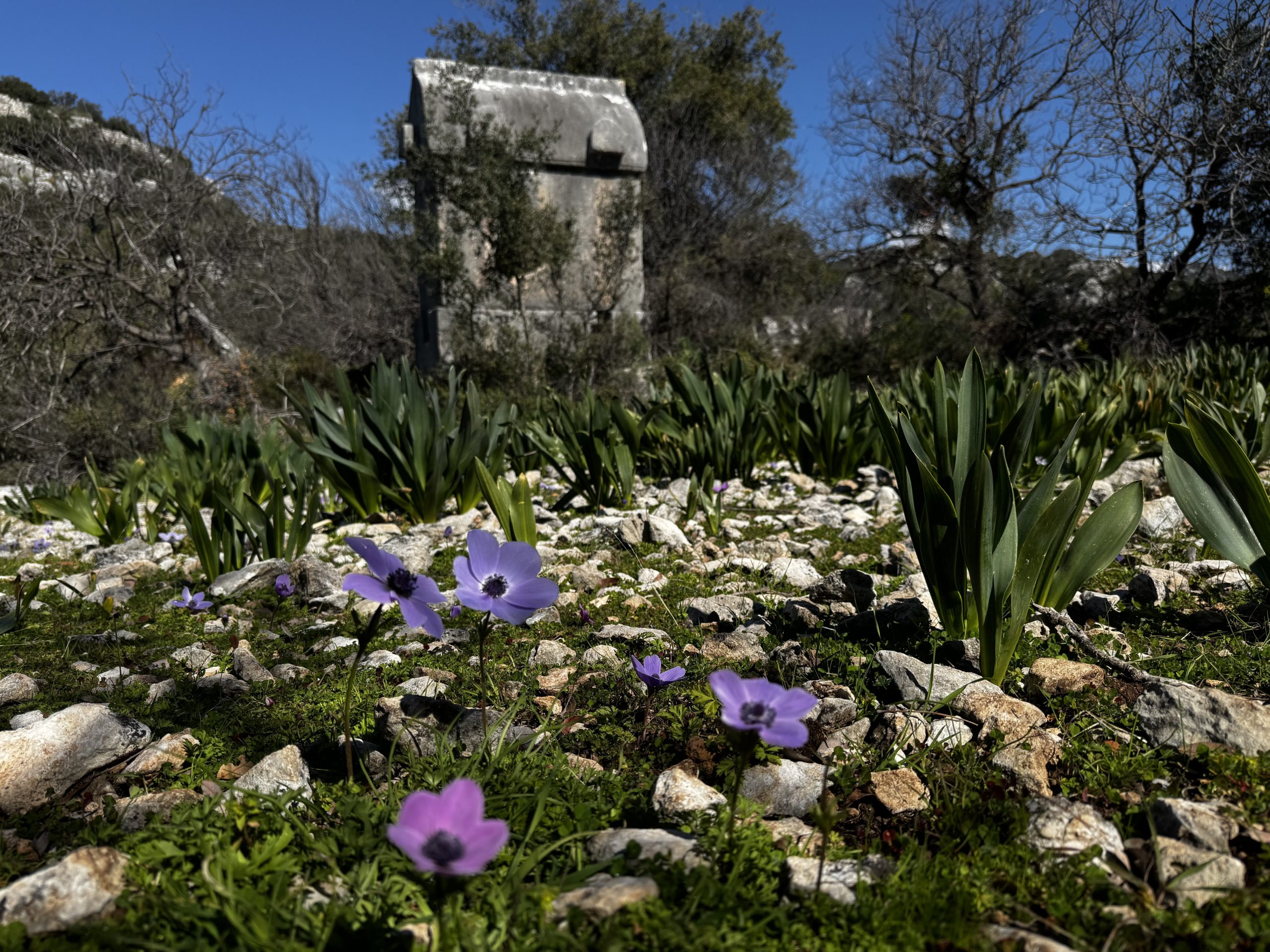

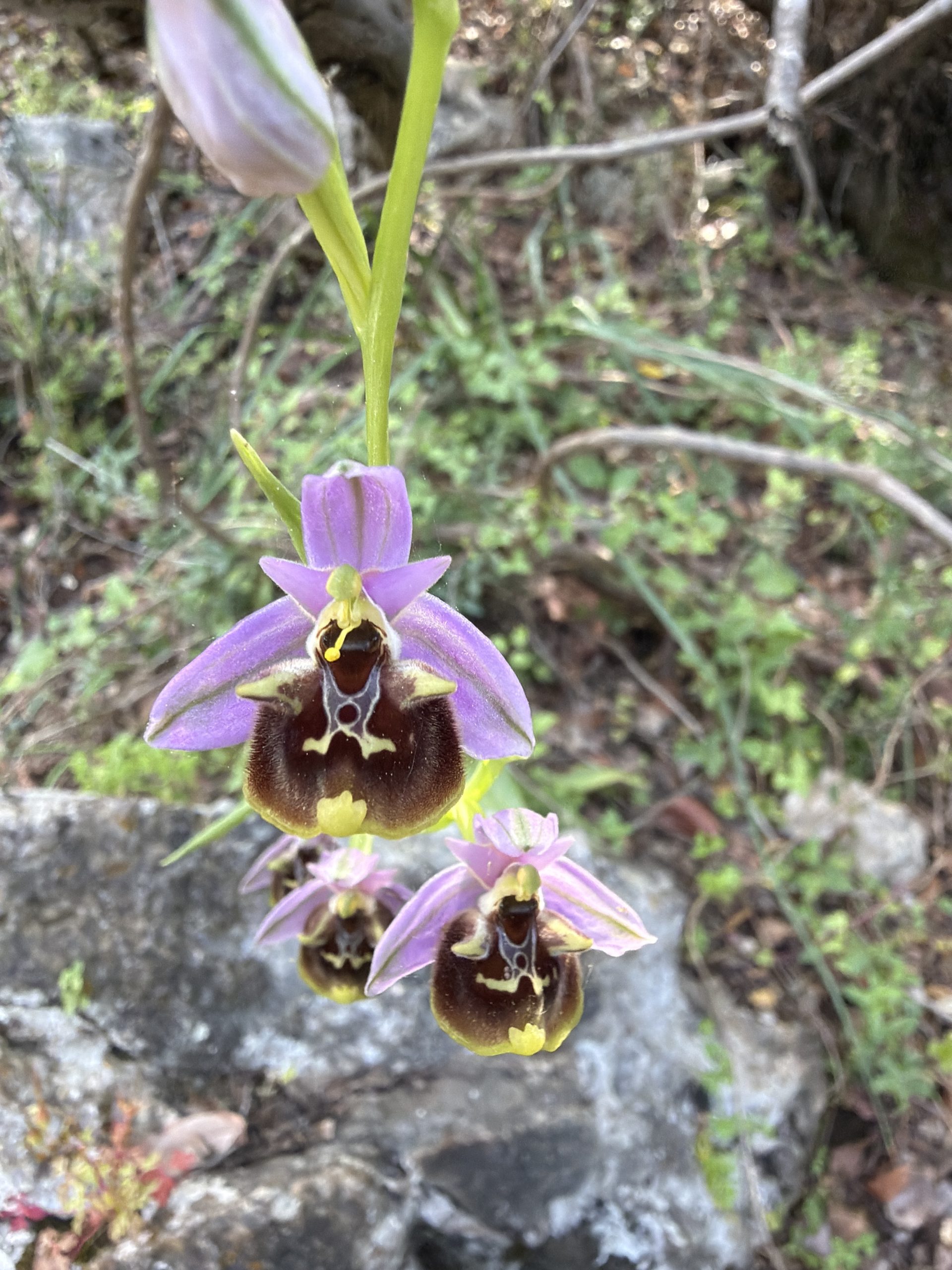

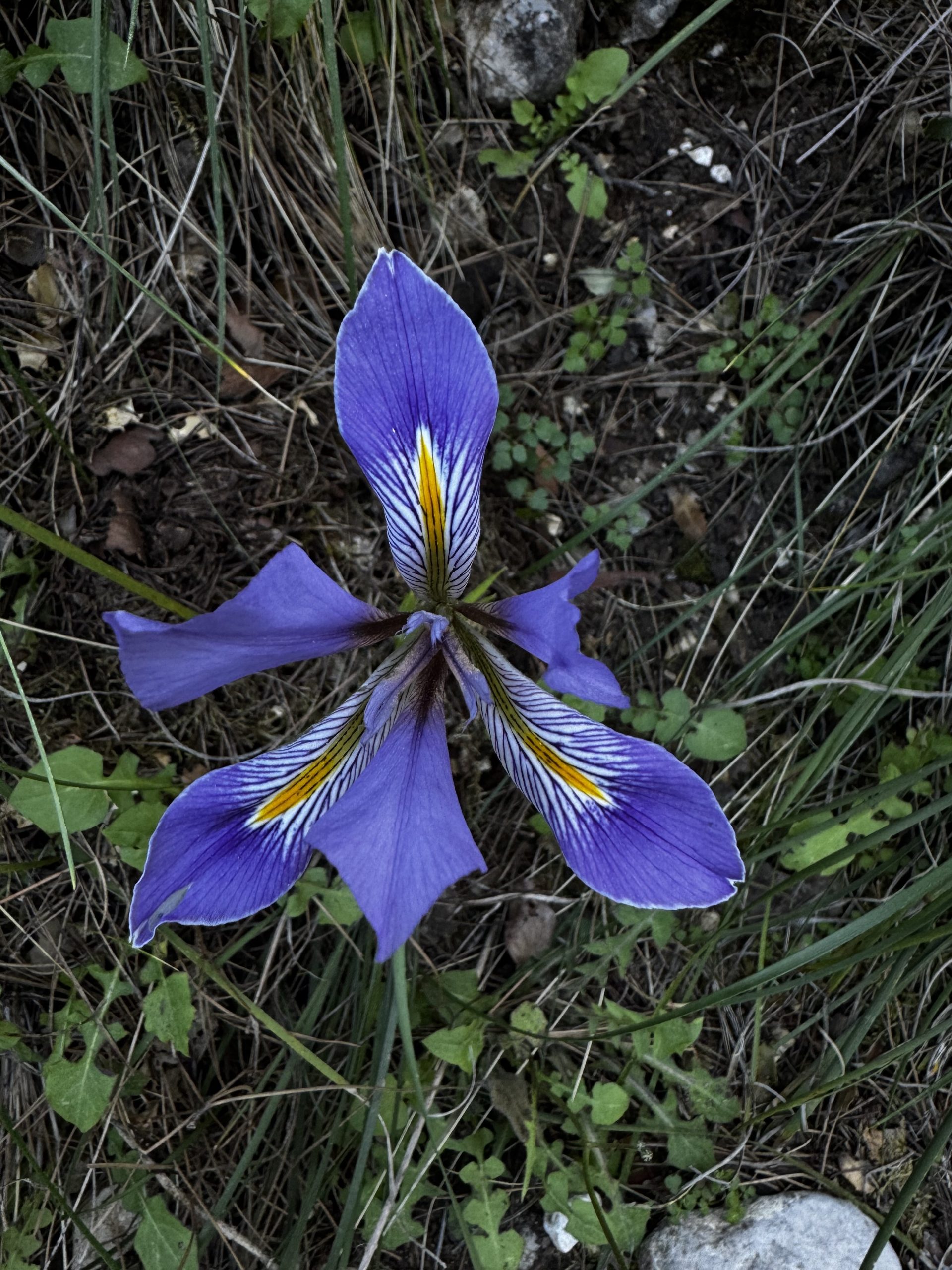
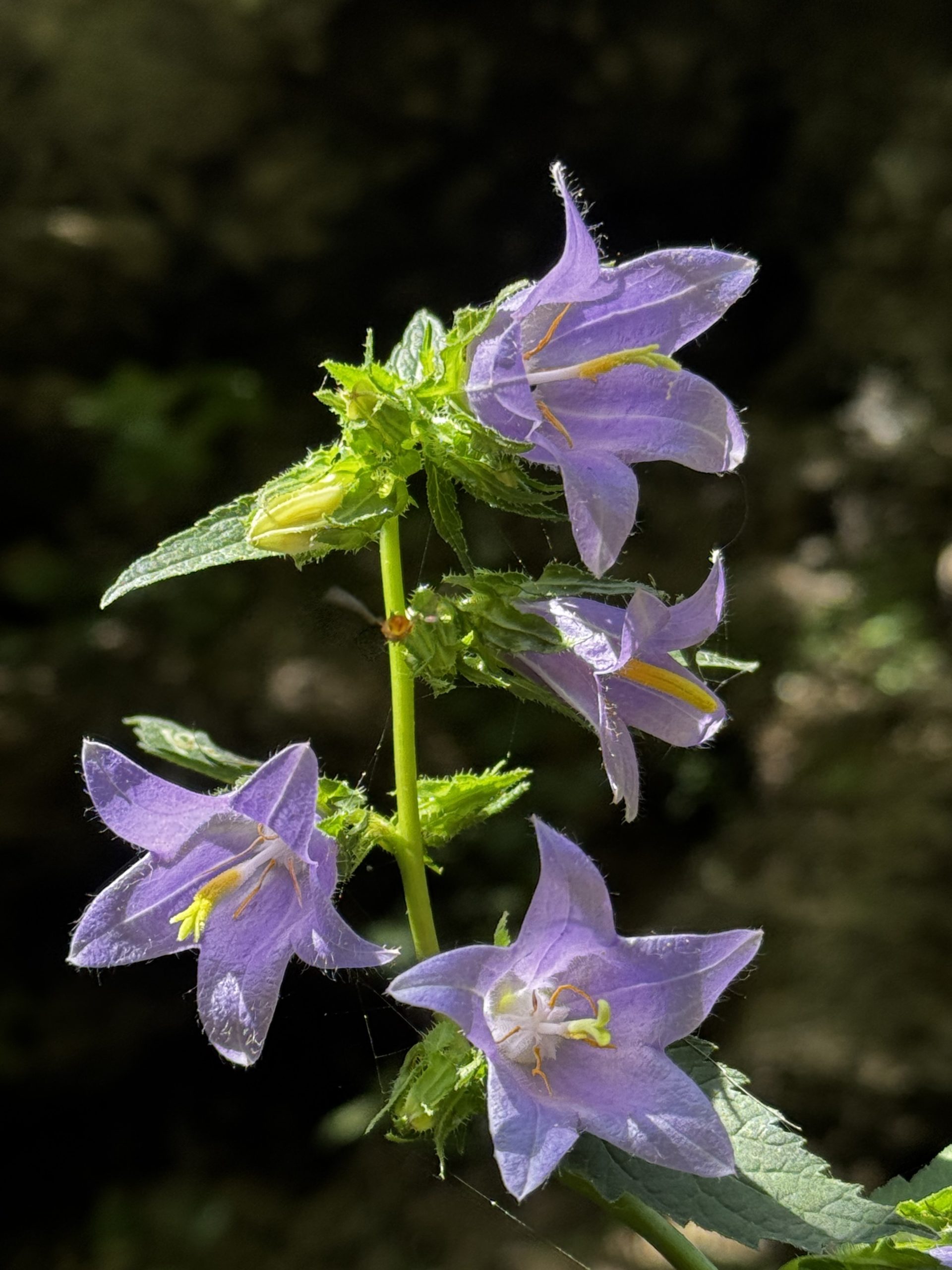











Lycian Taurus Botanical Tour | Mediterranean to High Mountains
A private Lycia botanical tour following the changing flora of southwestern Türkiye from the Mediterranean coast to the high landscapes of the Western Taurus.
From Antalya and the Beydağları to Mount Tahtalı, Elmalı, Akdağ and Babadağ, we explore how plants and habitats change with altitude, geology, exposure and season.
A botanical specialist accompanies the group throughout the journey. Archaeology, history and mythology add another layer through selected Lycian landscapes and ancient sites, while local culture and regional food remain a natural part of travelling through the region.
Rather than following a fixed sightseeing circuit, we follow the botanical season from Mediterranean landscapes towards the mountains.


- Description
- Reviews (0)
- More Info
- Guidelines and Notes
- Form
Description
From the Mediterranean Coast to the High Mountains
Our Lycia botanical tour explores the changing flora of southwestern Türkiye from Mediterranean landscapes to the high mountains of the Western Taurus.
This change in elevation gives the journey its botanical character. Coastal habitats, Mediterranean vegetation, forests, mountain slopes and higher environments can occur within a relatively compact region.
Instead of visiting isolated botanical locations, we follow these changes through the landscape. Altitude, geology, exposure and season help us understand why vegetation changes as we travel.
A botanical specialist accompanies the group throughout the journey. Botany remains our main theme, while archaeology, history and mythology add another way to understand Lycia and the Western Taurus.
Botany Is at the Centre of the Journey
This is a botanical journey rather than a conventional sightseeing tour with occasional flower stops.
Field observation shapes the rhythm of each day. We may examine particular plants, observe vegetation communities or spend time photographing flowers. We also look at the relationship between plants and their habitats.
If a location proves particularly interesting, we can stay longer. A short field stop may therefore become a much longer botanical session.
We follow the botanical season rather than a rigid sightseeing timetable.
A Botanical Journey Through Lycia and the Western Taurus
Our recommended geographical framework connects:
Antalya → Beydağları → Mount Tahtalı → Elmalı / Akdağ → Western Lycia → Babadağ
This route is a framework rather than a fixed itinerary. We choose the final field locations according to the season, altitude and recent conditions. The botanical interests of the group also influence the programme.
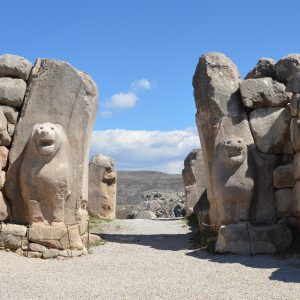
The journey can include selected archaeological landscapes such as Termessos, Olympos, Arykanda and Xanthos. We choose cultural visits that contribute to the geographical story rather than trying to visit every ancient site in the region.
Antalya & the Mediterranean Landscapes
We begin near the Mediterranean coast, where lower elevations introduce the first botanical character of the journey.
The climate, vegetation and geology here create a very different environment from the mountains that rise behind Antalya. This contrast becomes increasingly important as the journey continues.
Depending on the season, we use these lower landscapes to begin exploring Mediterranean vegetation before moving towards higher elevations.
Beydağları | Following the Change in Elevation
The Beydağları form one of the botanical foundations of the journey.
As we gain elevation, temperature, exposure and geology begin to change. Vegetation responds to these changes. This allows us to observe different habitats without travelling enormous distances across the country.
Rather than treating the mountains as a scenic background, we explore them as living botanical landscapes.
Termessos | Botany Within an Ancient Mountain Landscape
Termessos offers an unusual combination of archaeology, mountain vegetation and physical geography.
Here an ancient city occupies a dramatic natural setting. Forest, rocky terrain and archaeological remains share the same landscape.
The site allows us to discuss human settlement and natural environment together. It also introduces the historical dimension of our journey without moving the botanical focus into the background.
Mount Tahtalı | From Forest to High Mountain
Mount Tahtalı rises sharply from the Mediterranean region and creates one of the clearest elevation contrasts of the journey.
Our botanical interests change as we move upwards. Forest environments gradually give way to more exposed mountain habitats.
Conditions at higher elevations depend strongly on the season. Snow cover, snowmelt and temperature can influence what we observe and when we can reach particular habitats.
For this reason, we plan Tahtalı according to actual field conditions rather than a fixed botanical calendar.
Elmalı & Akdağ | The Inland Side of the Western Taurus
As we move inland, the landscape changes again.
Elmalı and Akdağ introduce environments that differ from the Mediterranean coast. Elevation, continental influence and mountain geography create another botanical chapter.
This part of the journey helps us compare coastal and inland habitats. It also shows how quickly botanical conditions can change within southwestern Anatolia.
We adjust our field locations according to the season and the specialist interests of the group.
Western Lycia | Plants Within an Ancient Landscape
Western Lycia brings botany back into close contact with archaeology and cultural history.
Depending on the final route, we can include selected ancient landscapes such as Arykanda and Xanthos. These visits help us understand how communities lived within the geography that we are studying botanically.
We do not aim to collect archaeological sites. Instead, we choose places that add meaning to the journey.
Babadağ | Mountains Above the Mediterranean
Babadağ provides another striking meeting point between Mediterranean and mountain environments.
Its elevation allows us to explore changing vegetation as we move upwards from the coastal region. The botanical character can differ considerably between lower slopes and higher environments.
Babadağ therefore reinforces one of the central ideas of our Lycia botanical tour: altitude can change the botanical landscape within a relatively short geographical distance.
Archaeology, History and Mythology
Lycia contains an exceptional concentration of ancient landscapes, but this is not primarily an archaeological tour.
We use selected sites to understand the relationship between people and geography. Termessos, Olympos, Arykanda and Xanthos can each contribute a different perspective.
Mountains also carried meaning in the ancient world. Mythology, settlement patterns, routes and natural resources help us interpret the landscapes through which we travel.
We keep these cultural layers connected to the botanical journey rather than presenting them as separate sightseeing excursions.
Culture and Regional Food
Botanical landscapes also have a human dimension.
Villages, agriculture and regional food traditions reflect climate, season and geography. Where appropriate, we include these experiences naturally within the journey.
We do not turn gastronomy into a separate programme. Local food simply adds another way to understand the region and the people who live within it.
A Botanical Specialist Travels with the Group
A botanical specialist accompanies the group throughout the journey.
This keeps field observation at the centre of the programme. It also allows us to respond when a particular habitat deserves more time.
Specialist groups can tell us about their interests before travelling. These may include particular plant families, genera, habitats or ecological themes.
Botanical and landscape photography can also receive greater emphasis. We consider these priorities when planning the field programme.
When to Travel | Following Spring from Sea to Mountain
One of the defining features of our Lycia botanical tour is the difference in season between the Mediterranean coast and the mountains.
Spring does not arrive everywhere at the same time. Lower and warmer landscapes can become botanically active while snow and winter conditions still affect higher elevations.
As temperatures rise, botanical interest gradually moves towards higher environments. This creates opportunities for different journeys at different stages of spring.
Late February & March | Early Spring
Early spring places greater emphasis on lower elevations and Mediterranean-influenced habitats.
Mountain conditions can still be wintry. Snow may limit access to some higher areas, while lower landscapes can already provide botanical interest.
For this reason, an early spring programme has a different character from a journey later in the season.
April | Mediterranean Spring and Rising Elevations
April can offer a broader range of field environments as spring develops across the region.
Lower areas continue to provide botanical interest, while suitable middle elevations can become increasingly important.
Weather and recent temperatures remain important. We therefore select field locations according to actual seasonal conditions.
May & Early June | Towards the High Mountains
Later spring allows us to place greater emphasis on mountain environments.
As lower landscapes become warmer and drier, botanical interest can move upwards. Tahtalı, Akdağ, Babadağ and other higher environments can therefore become increasingly relevant to the field programme.
Snowmelt and temperature strongly influence timing at altitude. Conditions can vary from year to year.
Natural Conditions Determine What We See
Rainfall, temperature, snow cover and snowmelt all affect flowering periods. Elevation and exposure create further differences between habitats.
We cannot guarantee that a particular species will be present or flowering on a particular date.
Instead, we shape the field programme around the season, recent conditions and the botanical interests of the group.
If particular plant families, genera, habitats or photography objectives matter to you, please tell us before confirming your travel dates.
Türkiye’s Remarkable Plant Diversity
Lycia and the Western Taurus form part of Türkiye’s exceptionally diverse botanical landscape.
According to the 2025 Biodiversity Statistics published by the Republic of Türkiye Ministry of Agriculture and Forestry (link in Turkish), Türkiye has 13,343 seed plant species. The statistics identify 3,301 species as endemic.
These numbers provide useful context, but numbers are not the purpose of our journey. We want to observe plants where they grow.
We also explore how geology, altitude, climate and human activity influence the vegetation around us.
A Botanical Journey, Not a Demanding Trekking Tour
This programme focuses on botanical field observation rather than long-distance hiking.
We use private transport to move between the main regions and field locations. Shorter walks then allow us to explore suitable habitats.
Mountain environments can still include slopes, rocky terrain and uneven ground. Some archaeological sites also require walking on steps or irregular surfaces.
Please tell us about mobility considerations before booking. We can take them into account when designing the programme where practical.
This format works particularly well for botanical societies, academics and naturalists. Photographers, garden groups, horticultural societies and mature travellers are also welcome.
Private and Tailor-Made Lycia Botanical Tour
We organise every Lycia botanical tour as a private journey rather than a fixed-departure group tour.
Antalya, the Beydağları, Tahtalı, Elmalı, Akdağ, Western Lycia and Babadağ provide our geographical framework. The final route remains flexible.
We adapt the programme to your travel dates, available time, botanical interests and preferred pace. Seasonal conditions also influence the final choice of field locations.
Groups can place greater emphasis on botany, photography or particular habitats. We can also adjust the balance between botanical observation, archaeology and cultural history.
Explore More Botanical Journeys in Türkiye
Different regions of Türkiye offer very different botanical landscapes.
For a journey combining the flora of the Aegean landscape with Troy, Mount Ida, Pergamon, Ephesus and ancient Ionia, explore our Western Turkey Botanical Tour | Flora & Archaeology.
For high plateaus, continental mountain landscapes and the flora of Kars, Doğubayazıt, Van, Hakkari and Yüksekova, continue with our Eastern Anatolia Botanical Tour | Flora, Landscapes & Cultural Heritage.
Design Your Lycia Botanical Tour
You do not need to prepare a complete itinerary before contacting us.
Tell us when you would like to travel and how many days you have. Let us know the number of participants and how much walking you are comfortable with.
Most importantly, tell us about your botanical interests. You can also mention photography, archaeology, history or other specialist interests.
We will then consider the season, elevation and priorities of your group when designing the journey.
Fill in the enquiry form below, send us a message, or contact us via WhatsApp or e-mail. We will be happy to discuss your interests and begin designing your journey.
Travel services are arranged by Globe Outdoors Travel, TÜRSAB Document No. A-17542. A botanical specialist accompanies the journey. We arrange professional guiding and other specialist services according to the confirmed programme.
Be the first to review “Lycian Taurus Botanical Tour | Mediterranean to High Mountains”
How Does This Botanical Journey Work?
This journey follows the changing botanical landscapes of Lycia and the Western Taurus. We have a geographical framework, but we do not follow a rigid field schedule.
Season, altitude and recent weather influence where we spend our time. If a habitat proves particularly interesting, we can extend a field stop and adjust the day’s programme.
This flexibility allows us to follow botanical conditions rather than a fixed sightseeing timetable.
Does a Botanical Specialist Accompany the Tour?
Yes. A botanical specialist accompanies the group throughout the journey.
Botany is the central theme of the programme. The specialist helps us observe plants within their natural habitats and understand the changing vegetation of the Mediterranean and Western Taurus landscapes.
Specialist groups can tell us about particular botanical interests before travelling. We can then consider these priorities when planning the field programme.
Do I Need Botanical Knowledge?
No. We adapt the journey to the botanical experience and interests of each private group.
Participants may include professional botanists, academics, botanical societies and experienced plant enthusiasts. The programme also suits travellers who simply want to understand Mediterranean and mountain flora in greater depth.
Tell us about your level of interest when making an enquiry. This helps us design the right balance for your group.
Can Specialist Groups Join?
Yes. We welcome botanical societies, academic groups, natural history organisations, garden and horticultural societies, photographers and other specialist groups.
If your group has a particular scientific, botanical, ecological or educational focus, please tell us before the journey. We can consider these interests during the planning process.
Can We Look for Particular Plants?
Yes. You can tell us about particular plant families, genera, species or habitats that interest your group.
We will consider these priorities when discussing travel dates and suitable field locations.
However, we cannot guarantee an individual species or flowering condition. Temperature, rainfall, altitude, snow cover and other seasonal factors influence what we find in the field.
How Much Walking Is Involved?
This is not a long-distance trekking programme.
We use private transport between the main regions and botanical locations. Field observation usually involves shorter walks, with time to examine plants and habitats.
Mountain environments can include rocky terrain, slopes and uneven surfaces. Archaeological sites may also have steps and irregular ground.
Please tell us about mobility considerations before booking. We can take them into account when designing the programme where practical.
Do We Reach the High Mountains on Foot?
The purpose of the journey is botanical observation rather than reaching summits or completing long hiking routes.
We use the most appropriate available access for each location and season. Short walks then allow us to explore suitable habitats.
Access to higher elevations can depend on snow, weather, road conditions and seasonal restrictions.
How Important Are Archaeology and History?
Botany remains the main theme, but archaeology, history and mythology form an important secondary layer.
Selected landscapes such as Termessos, Olympos, Arykanda and Xanthos help us understand how people interacted with the geography of southwestern Anatolia.
We choose archaeological visits for their relevance to the journey. We do not try to visit every ancient site in Lycia.
Can We Spend More Time on Botany?
Yes. The private format allows us to adjust the balance of the journey.
A botanical society may prefer longer field sessions and fewer archaeological visits. Another group may want botany combined more evenly with archaeology, mythology and cultural history.
We discuss these priorities before preparing the final programme.
Is This Journey Suitable for Photography?
Yes. Botanical, macro and landscape photography fit naturally into the programme.
If photography is a major interest, tell us in advance. We can consider a slower field rhythm and additional observation time where practical.
We always respect plants, natural habitats, protected areas and archaeological-site regulations.
When Should We Travel?
There is no single best date for every botanical interest.
Lower Mediterranean landscapes generally enter spring before the high mountains. Botanical interest then shifts towards different elevations as temperatures rise.
Earlier journeys can place greater emphasis on Mediterranean and lower-elevation habitats. Later spring allows us to give more attention to mountain environments.
If particular plants or habitats are important to you, contact us before confirming your flights. We can discuss the most appropriate period for your interests.
Can the Route Be Changed?
Yes. Antalya, Beydağları, Mount Tahtalı, Elmalı, Akdağ, Western Lycia and Babadağ provide our recommended geographical framework.
They do not form a compulsory checklist. We can adjust the route according to season, available time, field conditions and the interests of the group.
Shorter or extended versions can also be discussed when preparing your private proposal.
Guidelines & Important Notes
Private Journey & Group Size
We organise this programme as a private botanical journey. We agree on group size, travel dates, guiding arrangements and specialist requirements before confirmation.
Botanical Specialist
A botanical specialist accompanies the group throughout the journey.
The specialist forms an integral part of the programme. We arrange professional guiding and any additional specialist services according to the requirements of the confirmed journey.
Final Programme
The locations described on this page provide the geographical framework for the journey. They do not represent a guaranteed day-by-day field schedule.
We may adjust field locations according to botanical conditions, weather, access and the interests of the group. Road conditions, accommodation and other operational factors can also influence the final programme.
Your confirmed written proposal takes precedence over the general information on this page.
Plants & Flowering Conditions
Flowering periods vary according to altitude, rainfall, temperature, exposure, snow cover and other seasonal factors.
We can consider particular plants, genera or families when planning the journey. However, we cannot guarantee that an individual species will be present or flowering on a particular date.
Responsible Botanical Observation
Please observe plants without unnecessarily disturbing them or their surrounding habitat.
Plant collection does not form part of our standard botanical journeys. Collecting botanical material may also require scientific or official permission.
Participants must follow local regulations and instructions from the botanical specialist, guide and relevant authorities.
Protected Areas & Sensitive Habitats
Some field locations may lie within protected areas or environmentally sensitive habitats.
Access conditions and regulations can change. If necessary, we will select an alternative location that preserves the botanical character of the programme as far as practical.
High Mountain Conditions
Conditions in the Western Taurus can differ significantly from those near the Mediterranean coast.
Snow, snowmelt, temperature and changing mountain weather can affect access to higher elevations. We may change a field location when conditions make another area more appropriate.
Archaeological Sites
Opening hours, entrance conditions and access arrangements at archaeological sites may change.
Some sites involve steps, slopes, exposed terrain and uneven stone surfaces. Participants must follow site regulations and instructions from the relevant authorities.
Photography
Botanical and landscape photography is welcome.
Please do not damage, remove or unnecessarily move plants for photographs. Professional or commercial photography may require additional permission in some protected areas or archaeological sites.
Please tell us in advance if photography is a major purpose of your journey.
Walking & Field Conditions
This programme is not a trekking expedition. However, botanical observation takes place outdoors and sometimes away from paved surfaces.
Field visits may involve rocky terrain, vegetation, slopes and uneven ground. Please tell us about mobility considerations before booking.
Weather & Programme Changes
Weather can change quickly in mountain environments.
The organiser, guide and botanical specialist may change the timing, order or location of field visits when weather, access, safety or botanical conditions make this necessary.
Clothing & Equipment
We provide equipment recommendations according to the season and confirmed route.
Participants should prepare for changing temperatures and outdoor field observation. Please bring personal photographic, optical or specialist equipment unless we agree otherwise in advance.
Health & Mobility
Participants should consider whether the programme suits their health and mobility.
Please tell us before travel about medical, dietary or mobility requirements that may affect the organisation of the journey.
Accommodation & Meals
Accommodation and meal arrangements depend on the final route. Your confirmed proposal will clearly state the services included.
Please inform us in advance about food allergies and dietary requirements.
Arrival, Departure & Transfers
Your private proposal will specify arrival arrangements, departure arrangements and transfers included in the programme.
Additional services outside the confirmed programme may involve an extra charge.
Booking, Deposit & Cancellation
Your booking proposal will specify the payment schedule, deposit, cancellation conditions and refund terms for the confirmed journey.
Professional Organisation
Globe Outdoors Travel, TÜRSAB Document No. A-17542 arranges the travel services for this journey.
A botanical specialist accompanies the group throughout the programme. We arrange professional guiding and other specialist services according to the confirmed itinerary.
Reviews
There are no reviews yet.